Counting the waves…
Counting the waves…
A refined fusion of water purity, environmental stability, and communal vibrancy for South Bay Beach.
View MethodologyAnalyzed via live sensors and environmental data.
Wave height, wind, and atmospheric stability.
Live footfall and crowd balance metrics.
Community reviews and curated sentiment.
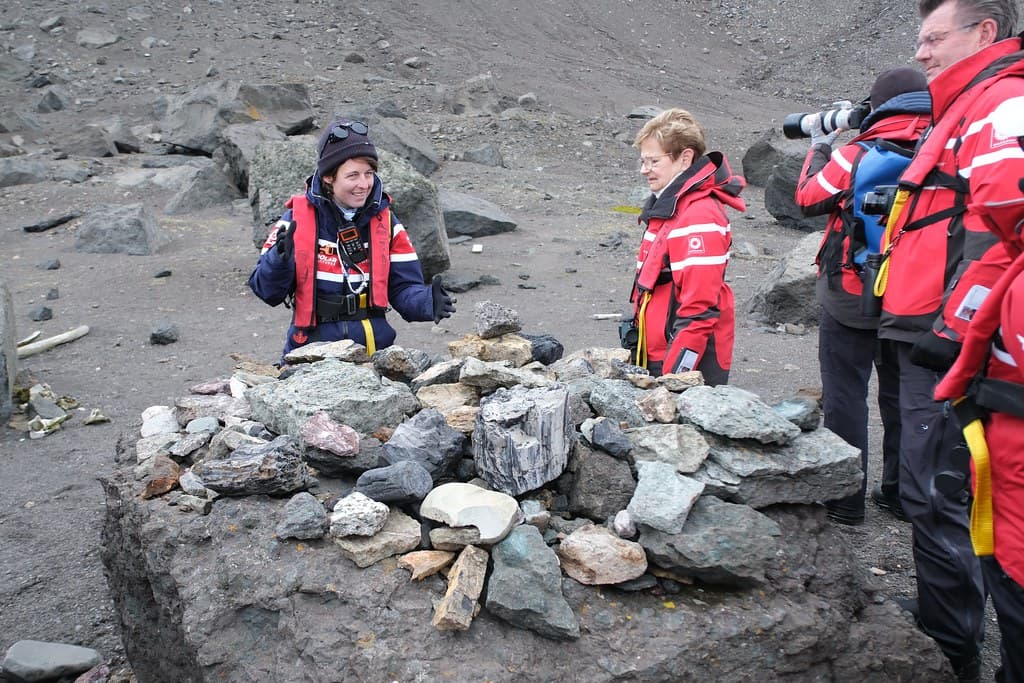
“You step from the inflatable craft onto stones worn smooth by glacial melt, boots crunching on a beach that sees more elephant seals than human footprints. The air bites at minus five degrees, carrying the sharp scent…”
Limited recent visitor reports — live OBI telemetry is your best guide for current conditions.
South Bay Beach is not a place you stumble upon. Reaching this cobbled strand on Livingston Island demands a research vessel or expedition cruise, a calm weather window, and a Zodiac pilot willing to thread between brash ice and kelp beds. The beach itself stretches in muted grays and browns, stones ranging from marble-sized to fist-sized, polished by centuries of wave action and the grinding advance and retreat of nearby glaciers.
The shoreline hums with biological urgency during the Antarctic summer. Chinstrap and gentoo penguins waddle past in columns, their flippers extended for balance on the uneven stones. Weddell seals haul out on the upper beach, exhaling plumes of vapor that hang in the sub-zero air. Behind the beach, moss-covered slopes rise toward the island's ice cap, where meltwater streams carve temporary channels through the pebbles before emptying into the bay.
 Credit: Unsplash
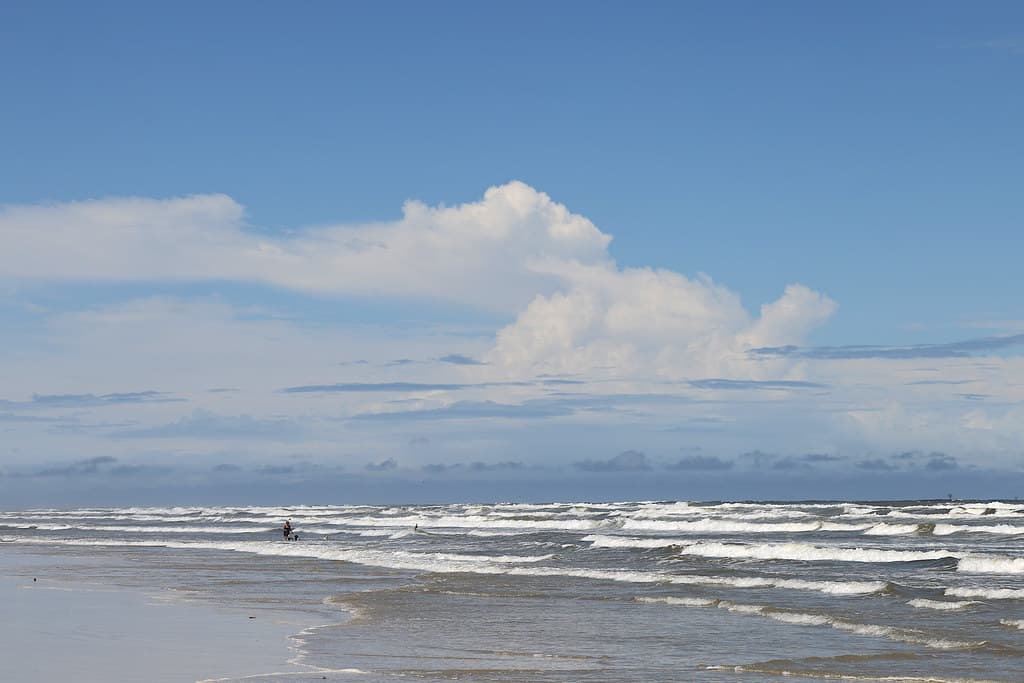
a sandy beach with a body of water in the background
 Credit: Unsplash
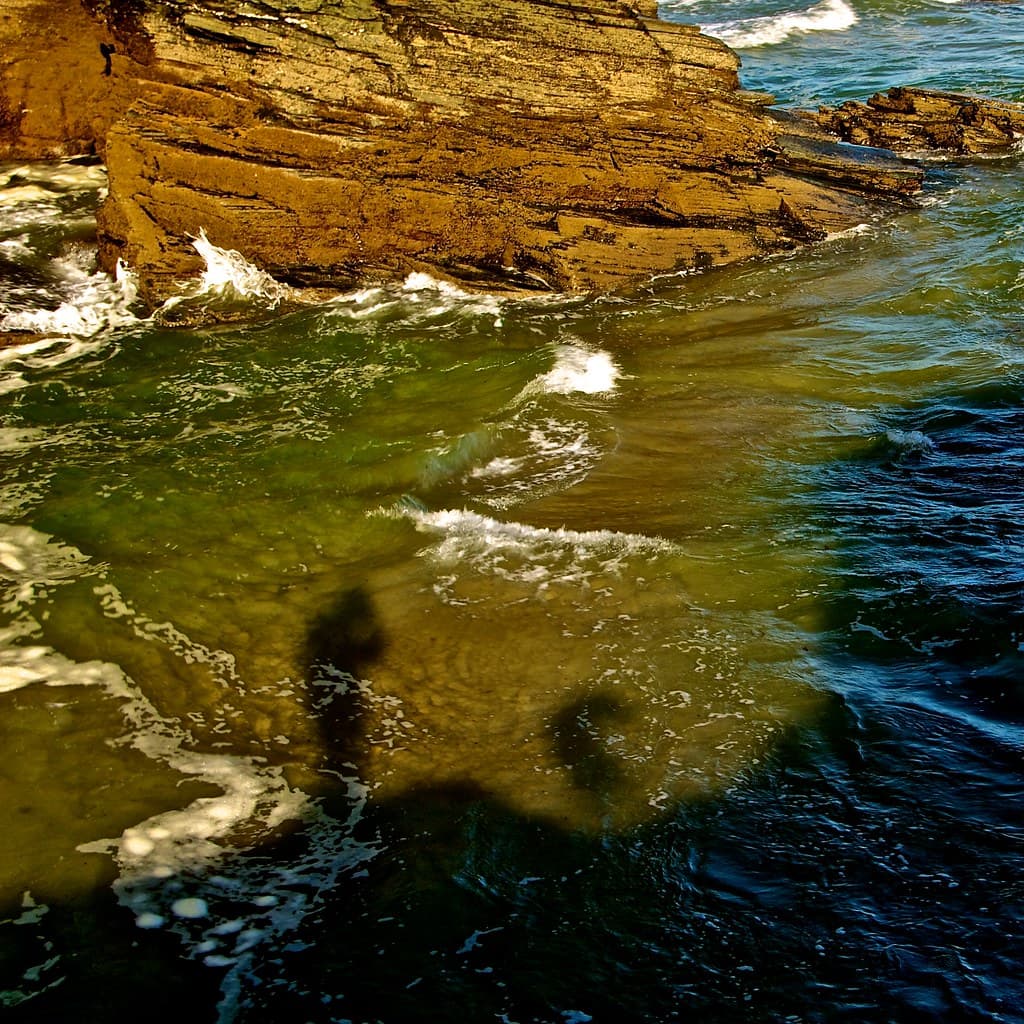
sea waves crashing on shore during daytime
Penguins approach within three meters
Trace meltwater paths inland
Zodiac escorts monitor conditions
Prime Visitation
Best Weather | Less Crowds
Where it is
South Bay Beach
Livingston Island, Antártida e Islas del Atlántico Sur, Argentina
-62.667800°, -60.403700°
Weather
Loading…
Swell
—
Temp
Warm · Restorative
UV Index
Moderate
Wind
—
Tidal State
Last known
Max Sunlight
—
Ideal Shade
—
Jan - Dec (Peak)
Mar - Nov (Off-season)
Best Weather | Less Crowds
Select a category to load nearby places.
Unlock restaurants, luxury stays and curated maritime experiences within 2km
Swimming at South Bay Beach is extremely dangerous and not recommended. Antarctic waters hover near freezing (around -2°C to 2°C), and exposure can lead to hypothermia within minutes. The beach serves primarily as a landing site for scientific expeditions rather than recreation. Strong currents, unpredictable weather, and the complete absence of rescue infrastructure make any water contact hazardous. Visitors should remain on shore under the supervision of expedition leaders and wear appropriate cold-weather gear at all times.
The only accessible period for South Bay Beach is during the Antarctic summer, from November through March, with December to February offering the most stable conditions. During these months, temperatures may reach just above freezing, and there are up to 20 hours of daylight. Pack ice is at its minimum, allowing expedition vessels to navigate more safely. Even in summer, expect harsh conditions with strong winds and sudden weather changes. Outside this window, the area is largely inaccessible due to sea ice and perpetual darkness.
Access to South Bay Beach is exclusively via specialized Antarctic expedition cruise ships or research vessels, as there are no airports or permanent infrastructure on Livingston Island. Most expeditions depart from Ushuaia, Argentina, requiring a 2-3 day Drake Passage crossing. Once near the island, visitors transfer to Zodiac boats for beach landings, weather permitting. You cannot visit independently; all access is through organized expeditions with permits. Landings are subject to strict environmental protocols and may be cancelled due to conditions.
There are no hotels, restaurants, or any permanent facilities at South Bay Beach or anywhere on Livingston Island. Visitors stay aboard their expedition ship, which provides all meals and accommodation. Some scientific research stations operate seasonally on the island but are not open to tourists. All food, water, and supplies must be brought by vessel. Day visits to the beach typically last only a few hours as part of a broader Antarctic expedition itinerary. Self-sufficiency is essential for any Antarctic travel.
South Bay Beach serves as a key field access point for researchers studying the South Shetland Islands' geology and wildlife. The pebble beach offers relatively stable landing conditions when weather cooperates, making it valuable for scientific operations. The bay provides some shelter from the notorious Drake Passage storms. Visitors may observe Antarctic wildlife including penguins and seals from a distance, following strict observation protocols. The remote, pristine environment offers an authentic experience of Antarctica's raw beauty, though it remains one of the continent's less-visited locations.
Photos