Counting the waves…
Counting the waves…

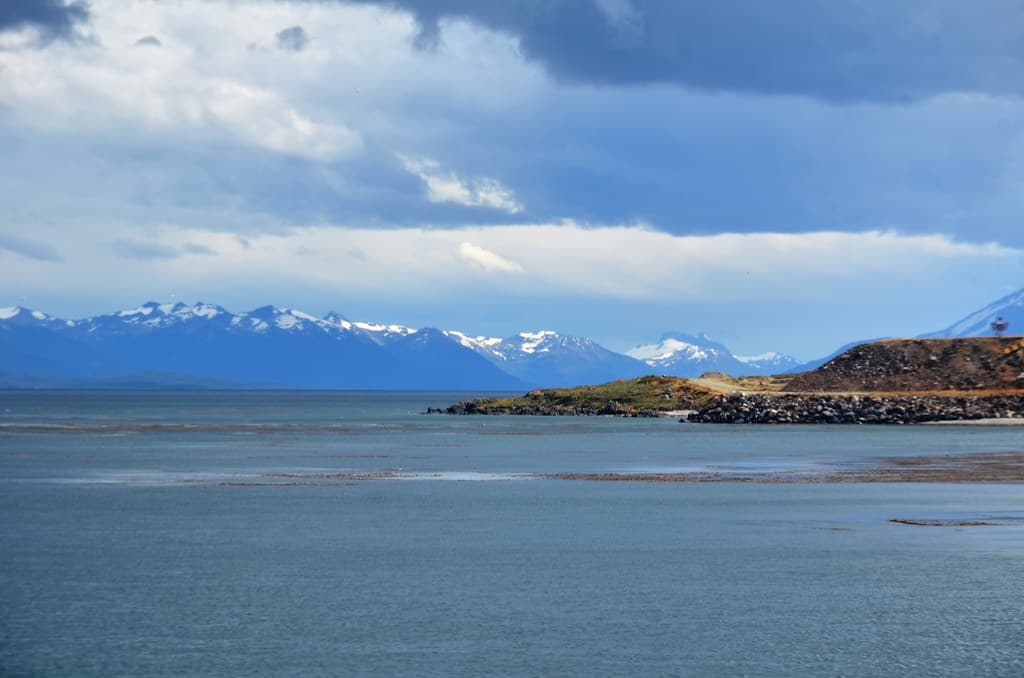
Step off the gravel runway at Base Marambio and walk two hundred meters to where Seymour Island meets the Weddell Sea. The pebbles here tell a 65-million-year-old story—fossil fragments of ancient marine reptiles mix with basalt worn smooth by frigid currents. Summer temperatures hover just above freezing, and the wind carries the briny smell of krill-rich water alongside the diesel scent from the Argentine research station behind you. This is not a beach for sunbathing. You stand on one of the few ice-free patches of the Antarctic Peninsula accessible by wheeled aircraft, scanning the shoreline for Adélie penguins investigating tidal pools or elephant seals hauled out on darker stones that absorb what little warmth the austral sun provides. Tabular icebergs the size of city blocks drift northward, their edges catching light in shades of cerulean and mint. The logistical machinery hums constantly—fuel drums stacked near prefab buildings, scientists boarding helicopters bound for inland camps, supply pallets waiting for the next Hercules flight. Yet the beach itself remains indifferent to human schedules. Waves roll pebbles with a rhythmic clatter unchanged since the Cretaceous, and skuas wheel overhead, searching for unguarded nests. You pull your parka tighter and understand why so few coastlines feel this uncompromising.
Places, rentals, tours and events within walking and driving distance of Playa Isla Marambio.
Photos
Swimming at Playa Isla Marambio is not advisable due to frigid Antarctic water temperatures that remain at or near freezing year-round. Exposure causes rapid hypothermia and poses serious health risks. The beach is primarily visited as part of scientific operations or specialized expedition tours rather than for recreational swimming. While some expedition cruises offer supervised polar plunge opportunities with safety protocols and medical oversight, these are brief, controlled experiences. Visitors should focus on wildlife observation and enjoying the dramatic coastal scenery while wearing appropriate cold-weather gear for the harsh Antarctic environment.
The Antarctic summer from November through March provides the best visiting conditions, with December through February being optimal. During these months, temperatures are relatively milder (though still cold), wildlife is most active with penguin breeding colonies, and extended daylight hours allow maximum exploration time. Base Marambio operates year-round and includes an airstrip, making it more accessible than many Antarctic locations. January typically offers peak wildlife viewing opportunities. However, all visits depend on weather conditions, which can be unpredictable even during summer, requiring flexible travel plans and patience.
Playa Isla Marambio is accessible via expedition cruise ships that navigate the Antarctic Peninsula region, typically departing from Ushuaia, Argentina. Visitors reach the beach through zodiac boat landings from their ship. Marambio Island is also notable for having an airstrip at Base Marambio, which serves as a major logistics hub for Antarctic operations, though tourist flights are uncommon. The island's location in the northwestern Weddell Sea makes it more accessible than deeper Antarctic sites. All access requires favorable weather and ice conditions, with landings subject to captain's discretion and environmental protection regulations.
No tourist accommodations or dining facilities exist at Playa Isla Marambio. Base Marambio is a year-round Argentine research and logistics station serving scientific and military personnel exclusively. All tourists visiting the area stay aboard expedition cruise ships that provide comprehensive lodging, dining, and amenities. Ships offer heated cabins, restaurants with full meal service, and recreational facilities. Shore excursions are typically day visits lasting several hours, with visitors returning to their vessel for all meals and overnight stays. The base's infrastructure supports operations but is not accessible for tourist use.
Playa Isla Marambio's location on Seymour/Marambio Island gives it significant logistical importance as home to Antarctica's most active airstrip, serving as a major gateway for Argentine Antarctic operations. The island's fossil beds contain important paleontological discoveries, offering insights into Antarctica's ancient climate. The pebble beach provides access to diverse wildlife including Adélie and gentoo penguin colonies. The island's strategic position where the Antarctic Peninsula meets the Weddell Sea creates unique geographic and ecological characteristics. For visitors, it represents one of the more accessible yet authentically Antarctic destinations with genuine operational significance.