Counting the waves…
Counting the waves…

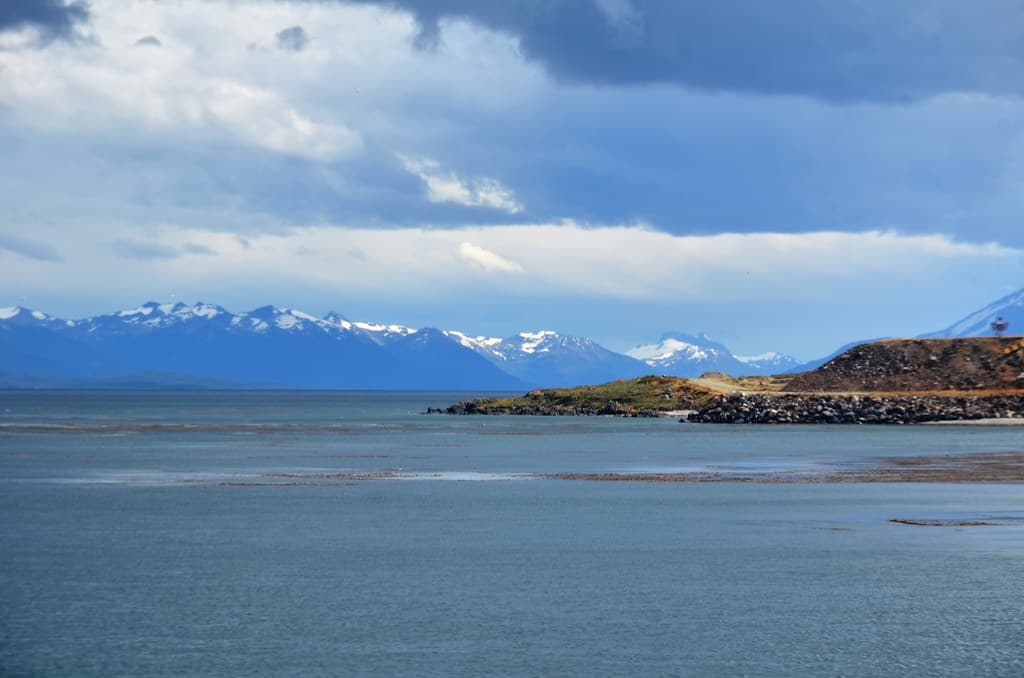
Seymour Island's northern beach stretches along one of the Antarctic Peninsula's most fossil-rich coastlines, where rounded pebbles polished by millennia of ice give way to shallow, sediment-darkened shallows. You'll find no sand here—just cobbles ranging from pea-sized to fist-sized, interspersed with kelp holdfasts torn loose by katabatic winds that scream down from the interior ice sheet. The Weddell Sea laps at the shore with a viscous quality, dense with glacial flour that turns the water opaque grey-green even on the rare windless days. Penguin highways—compacted trails worn smooth by thousands of webbed feet—score the upper beach, leading to rookeries where Adelies nest among the stones. The stench of guano mingles with the mineral scent of ancient sedimentary rock, exposed where ice has retreated over recent decades. Fossil hunters comb this beach for fragments of extinct marine reptiles and primitive birds locked in 66-million-year-old mudstone. Reaching this latitude demands joining a specialized expedition vessel; Seymour lies beyond the reach of standard Antarctic tourist circuits. You'll time your landing between weather windows, stepping from Zodiac onto slick pebbles while leopard seals patrol offshore. The beach offers no shelter, no infrastructure—only the raw interface between continent and sea, where you'll count your visit in minutes before sub-zero winds drive you back to the ship.
Places, rentals, tours and events within walking and driving distance of Seymour Island North Beach.
Photos
Swimming at Seymour Island North Beach is unsafe and strongly discouraged. Water temperatures remain near or below freezing throughout the year, causing rapid hypothermia and cold-water shock within minutes of exposure. The beach is in one of Earth's most remote locations with zero emergency medical infrastructure or rescue services nearby. Leopard seals and other marine predators present additional dangers. Ice movements and strong currents create unpredictable hazards. Expedition visitors wear insulated drysuits and cold-weather gear, limiting any water contact to accidental scenarios. All activities remain shore-based under strict safety protocols managed by expedition leaders.
Visit during the Antarctic summer months of December through February when temperatures range from -2°C to 3°C and daylight lasts nearly 24 hours. January generally offers the most favorable conditions with reduced pack ice and relatively stable weather, though conditions remain highly variable. February can provide excellent wildlife viewing as marine mammals become more active. The site is completely inaccessible from March through October due to Antarctic winter conditions including total darkness, temperatures below -30°C, and impenetrable sea ice. Even in summer, access depends on unpredictable ice and weather conditions.
Access requires participation in a specialized Antarctic expedition cruise from Ushuaia, Argentina, typically lasting 11-15 days. Only a limited number of operators with ice-capable vessels attempt the challenging Weddell Sea itinerary, and Seymour Island landings are never guaranteed due to severe ice conditions. Transfer from ship to shore uses Zodiac inflatable boats when conditions allow. Costs range from $12,000-$26,000 per person. Book 12-18 months ahead as availability is extremely limited. The journey crosses the Drake Passage and requires navigating dense pack ice that often blocks access entirely.
There are no commercial facilities, accommodations, or restaurants anywhere on or near Seymour Island. The island is uninhabited Antarctic territory with no permanent human presence or infrastructure. All visitors stay aboard their expedition cruise vessel, which functions as a complete floating hotel and restaurant. Ships provide cabin accommodations, dining facilities serving international cuisine, and all necessary amenities. Meals are included in expedition packages and typically feature buffet-style service with varied menus. The nearest permanent research stations are located elsewhere on the Antarctic Peninsula, hours away by sea and only occasionally open for brief tours.
Seymour Island North Beach offers access to a different geological and paleontological perspective than the southern sectors, with fossil-rich sedimentary layers exposed along the shoreline. The north-facing orientation provides distinct views across the Antarctic Sound toward the peninsula's eastern coast. The area sees even fewer visitors than other Seymour Island sectors, offering exceptional solitude and pristine wilderness. The beach represents one of the least-visited shorelines on Earth, with perhaps only dozens of people landing annually. Unique rock formations and ice patterns create distinctive landscapes rarely photographed or documented compared to more accessible Antarctic sites.