Counting the waves…
Counting the waves…
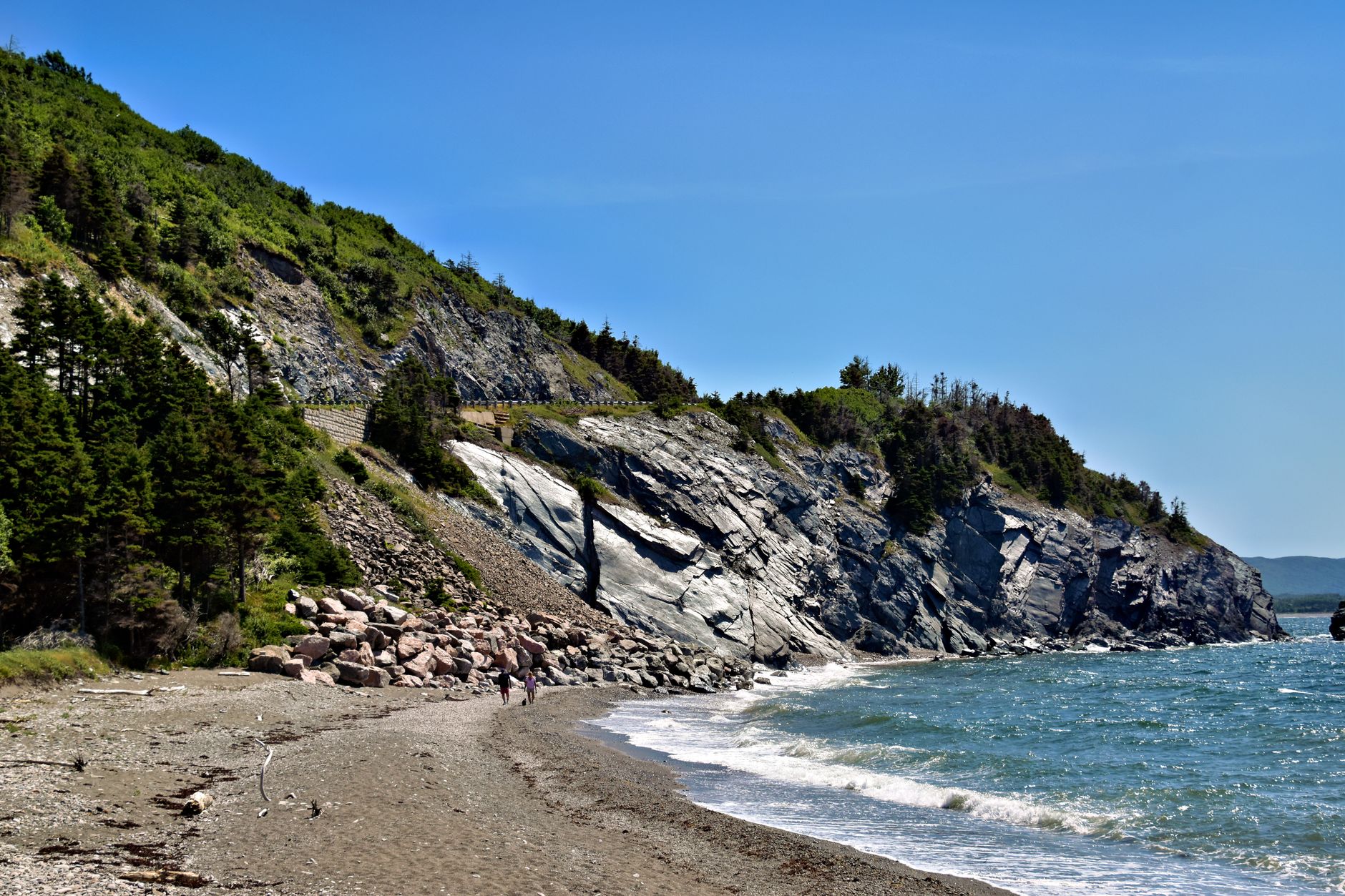
The stones beneath your boots are smooth from centuries of ice and wave action, ranging from slate-grey to rust-streaked brown. You've reached one of the planet's most exclusive stretches of coast: the shoreline fronting Argentina's Base Orcadas on Laurie Island in the South Orkney archipelago. Since 1904, this research station has clung to existence here, its red-roofed buildings stark against the white hills behind and the dark water ahead. Penguins waddle past you with complete indifference, their tuxedoed bodies leaving prints in patches of guano-stained snow that bleed into the beach. The air carries brine mixed with something sharper—krill on the wind, diesel from the station's generators. When the sun hangs low at midnight during austral summer, the ice shelves offshore glow cobalt blue, and you realize the cold creeping through your parka isn't discomfort but confirmation. This is not a beach for swimming or sunbathing. It's a place to stand at the edge of what's habitable, watching Weddell seals haul themselves onto rock slabs, understanding why only scientists and expedition passengers ever set foot here. The pebbles clatter when the swell rolls in, a sound unchanged since Argentinian meteorologist William Bruce first wintered here more than a century ago.
Places, rentals, tours and events within walking and driving distance of Playa Base Orcadas.
Photos
Swimming at Playa Base Orcadas is extremely dangerous and not permitted. Water temperatures in the South Orkney Islands remain at or below freezing year-round, typically -2°C to 1°C, causing immediate cold shock response and rapid onset of hypothermia. The remote location of the station means limited emergency medical capabilities. Research personnel follow strict safety protocols when working near water and never swim recreationally. Antarctic Treaty guidelines and station regulations prohibit swimming. Visitors should remain safely on shore and follow all instructions from station personnel or expedition guides during any visit.
The best time to visit Playa Base Orcadas is during the Antarctic summer from December through February. During these months, the station is fully staffed, temperatures are least severe (averaging -5°C to 2°C), and daylight is continuous or nearly so. Sea ice conditions around the South Orkney Islands are most favorable for ship navigation during this period. Wildlife breeding seasons peak in summer, offering excellent observation opportunities. Weather remains highly unpredictable despite being the warmest season. The station's historic significance is best appreciated when staff can provide tours and context.
Reaching Playa Base Orcadas requires joining an Antarctic expedition cruise that specifically includes the South Orkney Islands in its itinerary. These cruises typically depart from Ushuaia, Argentina, or occasionally from the Falkland Islands. The journey involves several days of ocean travel, and the South Orkneys are visited less frequently than Peninsula locations. Access to the beach and station is via zodiac boat from the anchored ship. All visits require advance permission from Argentine authorities and coordination with station personnel. Weather and ice conditions frequently affect landing possibilities.
There are no tourist accommodations at Playa Base Orcadas; the research station facilities are exclusively for scientific personnel and Argentine support staff. All visitors stay on expedition cruise ships, which provide all meals and lodging. The station has basic facilities including a cafeteria, dormitories, and laboratories, but these serve only authorized personnel. Tourist visits are brief shore excursions, typically lasting 1-3 hours, during which visitors may tour parts of the historic station by special arrangement. All amenities and services must be obtained from your expedition vessel.
Playa Base Orcadas holds exceptional historical importance as the site of one of Antarctica's oldest continuously operating research stations, established in 1904. It represents over 120 years of uninterrupted meteorological and scientific observation, making it invaluable for long-term climate data. The beach and station witnessed early Antarctic exploration and the evolution of polar research methods. Historic buildings and artifacts remain preserved, offering tangible connections to early 20th-century Antarctic operations. The station's longevity and continuous operation distinguish it from abandoned sites, providing unique insights into sustained human presence in Antarctic environments.