Counting the waves…
Counting the waves…

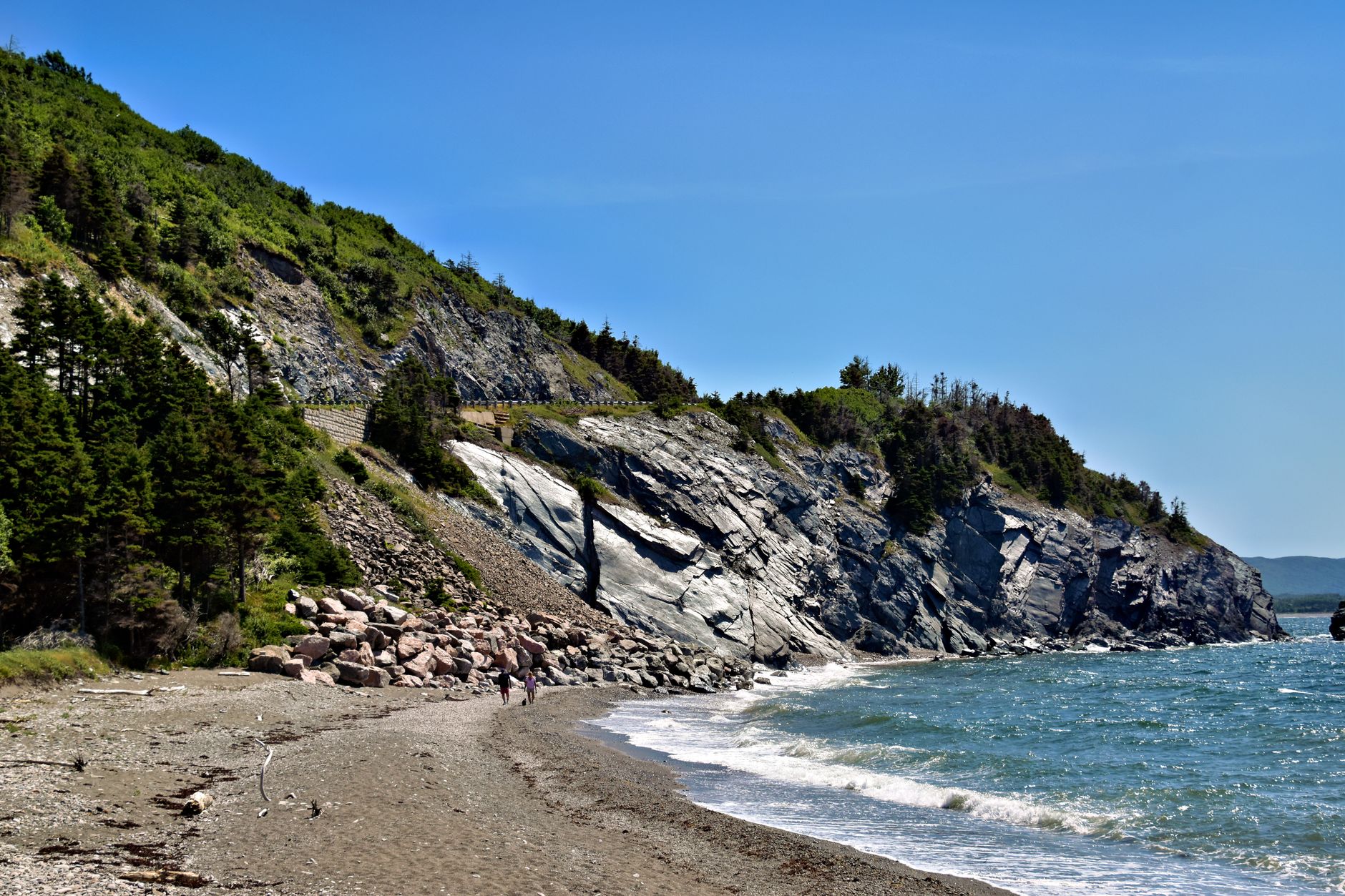
The beach at Scotia Bay announces itself not with sand but with pebbles the size of robin's eggs, smoothed by centuries of katabatic winds and the grinding advance and retreat of sea ice. You step from the inflatable tender onto stones slick with spray, your boots crunching as you climb the short slope to the graveled apron where penguin colonies press close to the Argentine research station. The air smells of guano and kelp, sharp and unmistakable, while elephant seals sprawl along the shoreline like enormous punctuation marks. Base Orcadas has occupied this windswept notch of Laurie Island since 1904, its handful of winterers the only permanent human presence for hundreds of miles. You time your visit during the austral summer—November through February—when twenty-four-hour daylight softens the landscape and research activity peaks. Even then, the bay remains unvisited for days at a stretch. The surrounding peaks wear their snowcaps low, and icebergs the size of houses drift past the headland, calved from glaciers you cannot see. No amenities exist here, no boardwalks or benches. You bring everything you need on your back, mindful that the Antarctic Treaty requires you to leave no trace. The pebbles shift underfoot as you walk the tideline, each step a small negotiation with a beach that belongs first to the wildlife and only briefly, conditionally, to you.
Places, rentals, tours and events within walking and driving distance of Playa Scotia Bay.
Photos
Swimming at Playa Scotia Bay is extremely dangerous and not recommended. Antarctic waters remain near freezing year-round, causing rapid hypothermia and cold water shock. The remote location on Laurie Island in the South Orkney Islands means emergency medical facilities are extremely limited. The beach is intended for scientific research support and occasional supervised expedition landings only. Visitors must follow Antarctic Treaty environmental protocols, which discourage any unnecessary contact with the water. Weather conditions can change rapidly, creating additional hazards including strong winds and sudden storms.
The optimal visiting window for Scotia Bay is during the Antarctic summer from November through March, though access is significantly more limited than Peninsula destinations. December through February offer the most stable weather and ice conditions. Base Orcadas operates year-round, but tourist visits are rare and depend on expedition cruise itineraries that include the South Orkney Islands. These visits are less common than Peninsula stops due to the more remote location. Sea ice conditions vary annually and significantly impact accessibility to the bay and beach area.
Playa Scotia Bay is accessible only via specialized expedition cruise ships that include the South Orkney Islands in their itineraries, making it one of the more difficult Antarctic beaches to reach. The journey typically starts from Ushuaia, Argentina, requiring several days of sailing across the Drake Passage and Scotia Sea. Only a limited number of expeditions visit Base Orcadas and Scotia Bay due to its remote location. Access to the beach requires zodiac transfers from the ship, and landings are weather-dependent and require permission from Argentine authorities managing the base.
No tourist food or lodging facilities exist at Scotia Bay. Base Orcadas is an active Argentine research station that accommodates only scientific personnel and support staff. All tourist visitors must stay aboard their expedition cruise ships, which provide complete dining, accommodation, and amenity services. The base itself is the oldest continuously operating station in Antarctica but does not offer any public facilities. Visits to the beach and base area are brief, typically lasting only a few hours before passengers return to their vessel for all meals and overnight stays.
Playa Scotia Bay's primary distinction is its location adjacent to Base Orcadas, the oldest continuously operating Antarctic research station since 1904, offering unique historical significance. The bay's position in the South Orkney Islands makes it less frequently visited than Antarctic Peninsula beaches, providing a more exclusive, uncrowded experience. The beach offers opportunities to observe sub-Antarctic wildlife and geology distinct from Peninsula locations. Its hidden, remote character appeals to serious Antarctic explorers seeking destinations beyond standard itineraries, though this also means fewer chances to actually visit this scenic spot.