Counting the waves…
Counting the waves…

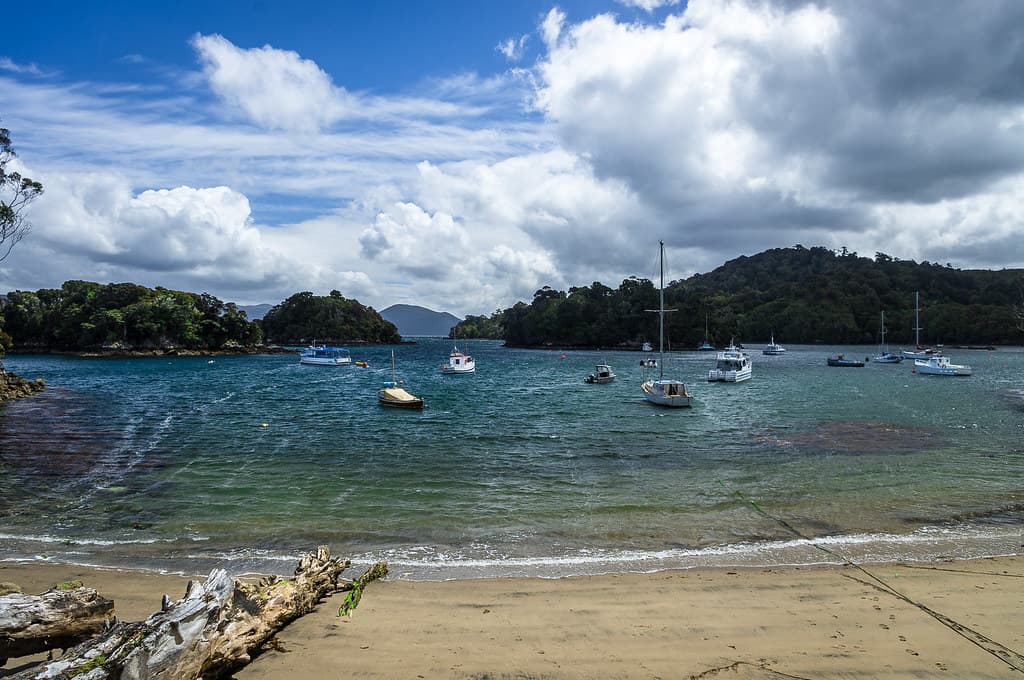
You step from the inflatable onto a shore of black and gray pebbles, each one polished by seas that have circled Antarctica a thousand times. The beach curves in a narrow crescent beneath basalt headlands streaked with guano, while beyond the break, tabular icebergs drift past like silent cargo ships. Wind arrives unobstructed from the pole, carrying the ammonia tang of penguin colonies and salt spray that stings your cheeks. This is not a beach for idle afternoons. The Southern Thule group lies deep in the Scotia Sea, accessible only by expedition vessels that thread between ice fields and submerged calderas. You scan the tide line for whale vertebrae and volcanic glass, your gloves numbing despite their insulation. Elephant seals haul out on the upper beach, indifferent to your presence, their guttural bellows mixing with the crack of distant glaciers calving into the bay. The sky shifts hourly—pewter clouds part to reveal peaks glazed in neve, then close again in squalls that erase the horizon. You pocket a single stone, aware that fewer people have stood here than have summited Everest, and that this coastline answers to swells born in the Drake Passage, untouched by any hand but geology's.
Places, rentals, tours and events within walking and driving distance of Bellingshausen Island Beach.
Photos
Swimming at Bellingshausen Island Beach is not safe under any circumstances. The surrounding Southern Ocean waters remain near or below freezing throughout the year, creating immediate risk of cold water shock and hypothermia. Powerful currents, large swells, and frequent gale-force winds make the waters exceptionally treacherous. The pebble beach offers no protected areas or safe entry points, and the island's extreme remoteness means absolutely no emergency medical services are available. This beach exists in one of Earth's harshest environments and should only be observed from shore during carefully supervised expedition landings.
The best visiting period for Bellingshausen Island Beach is during the austral summer months from December through February. This season offers slightly warmer temperatures, though still well below freezing, and provides the longest daylight hours for exploration and photography. Sea ice tends to be at minimum extent, improving the possibility of boat access. However, the South Sandwich Islands experience brutal weather conditions year-round, with storms arising suddenly even in summer. Successful landings are never guaranteed and depend entirely on real-time weather assessment by experienced expedition leaders familiar with these extreme polar conditions.
Reaching Bellingshausen Island Beach requires participation in an extremely specialized expedition cruise to the South Sandwich Islands, among the world's most challenging destinations to access. These expeditions typically originate from Ushuaia, Argentina, involving many days at sea crossing the notoriously rough Scotia Sea and South Atlantic. Landings are made via Zodiac boats only when conditions permit, which is relatively rare. Very few tour operators offer itineraries including the Southern Thule group where Bellingshausen Island is located. These trips require substantial financial investment and advance booking, often 1-2 years ahead.
Bellingshausen Island is completely uninhabited and has no facilities, infrastructure, or services whatsoever. There are no buildings, shelters, accommodation options, or food sources on the island. Visitors must stay aboard their expedition cruise ship, which serves as the exclusive base for all lodging, dining, and basic amenities. These specialized vessels are designed for extended self-sufficient operations in remote polar waters, carrying all necessary provisions. Shore visits are brief, typically lasting only a few hours, before guests return to the ship. No other accommodation alternatives exist in this isolated region.
Bellingshausen Island Beach is exceptional as part of the Southern Thule group, representing one of the southernmost and most geographically rare beach locations on Earth. The island's extreme isolation means landing here is an extraordinary achievement accomplished by very few travelers. The beach sits in a pristine polar environment with abundant wildlife including penguin colonies and seal populations that have minimal human contact. Its namesake honors Russian Antarctic explorer Fabian Gottlieb von Bellingshausen, connecting the location to important polar exploration history. The combination of geographic rarity, untouched wilderness, and expedition heritage creates an unparalleled beach experience.