
Counting the waves…
Counting the waves…

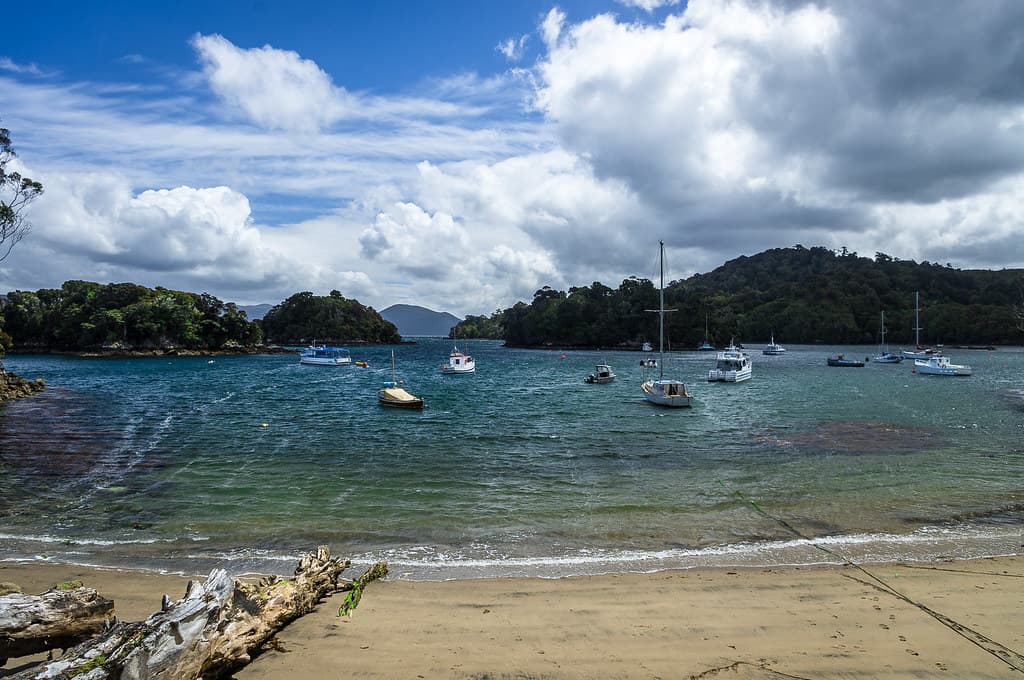
The pebbles rattle with each surge of the Southern Ocean, a percussion that mingles with the barks of fur seals and the hiss of superheated water meeting ice-cold sea. You've sailed five days from South Georgia to reach this shore, where Thule Island's volcanic spine rises three thousand feet through perpetual mist. Mount Belinda's lava streams have reshaped this coastline within your lifetime, adding fresh basalt to beaches that see fewer human footprints each year than Everest Base Camp sees in a day. Your Zodiac grounds on stones the size of robin's eggs, each one tumbled smooth by swells that have traveled unobstructed from Cape Horn. The beach slopes steeply; king penguins regard you with mild interest before returning to their preening. Behind them, glaciers hang suspended between peaks, their meltwater cutting rivulets through the black shore. The temperature hovers just above freezing even in the austral summer, and the wind carries volcanic grit that tastes metallic on your tongue. No trail markers exist here, no lifeguard stations or beach bars. Your expedition leader briefs you on approach distances to wildlife—five meters from seals, fifteen from nesting birds. You'll have perhaps ninety minutes ashore before weather or sea conditions demand re-boarding. Every photograph you take, every pebble you examine, becomes a story you'll tell for decades, proof that you stood at the edge of the navigable world.
Places, rentals, tours and events within walking and driving distance of Thule Island Beach.
Photos
Swimming at Thule Island Beach is not safe and strongly discouraged. Water temperatures hover around freezing throughout the year, creating immediate hypothermia risk within minutes of exposure. The South Atlantic waters surrounding the island experience powerful currents and unpredictable swells that can quickly become life-threatening. The pebble shoreline offers difficult entry and exit points, and the complete absence of any rescue services or facilities makes any water activity extremely hazardous. This location is intended solely for brief, supervised expedition landings when conditions permit.
The optimal visiting window for Thule Island Beach falls between December and February during the austral summer. These months provide the longest daylight hours and relatively less severe weather, though conditions remain extremely challenging. Sea ice coverage is typically at its minimum, improving access possibilities. However, even during peak season, heavy weather, high winds, and rough seas frequently prevent landings. Expedition cruises attempting to visit this area must maintain flexible itineraries, as successful landings are never guaranteed regardless of the season due to the notoriously unpredictable South Atlantic conditions.
Access to Thule Island Beach is possible only through specialized Antarctic and sub-Antarctic expedition cruises, which are extremely rare and expensive. These voyages typically originate from Ushuaia, Argentina, requiring approximately 4-6 days of ocean travel through some of the world's roughest seas. Upon arrival, landings depend entirely on weather and sea conditions, using rigid inflatable boats. Only a small number of expedition companies attempt voyages to the South Sandwich Islands, and even fewer successfully reach Southern Thule. Advance booking of 1-2 years is often necessary for these limited expeditions.
Thule Island and the entire Southern Thule group are completely uninhabited with zero facilities of any kind. No accommodations, food services, shelters, or infrastructure exist anywhere on the island. All visitors must stay aboard their expedition ship, which serves as the sole source of lodging, meals, fresh water, and all amenities. These vessels are equipped for extended self-sufficient operations in remote polar regions. Once ashore, visitors typically spend only a few hours at most on brief, guided landings before returning to the ship for all basic needs.
Thule Island Beach holds exceptional geographic significance as part of the southernmost islands in the South Sandwich chain, placing it among Earth's most remote coastal locations. The island features dramatic volcanic geology, with steep cliffs and smoking fumaroles creating an otherworldly landscape. The beach serves as habitat for colonies of chinstrap and macaroni penguins, along with Antarctic fur seals. Its expedition heritage connects to historic polar exploration, and the island's extreme isolation means landing here is rarer than visiting Antarctica itself. The untouched, pristine environment remains virtually unchanged by human presence.