Counting the waves…
Counting the waves…

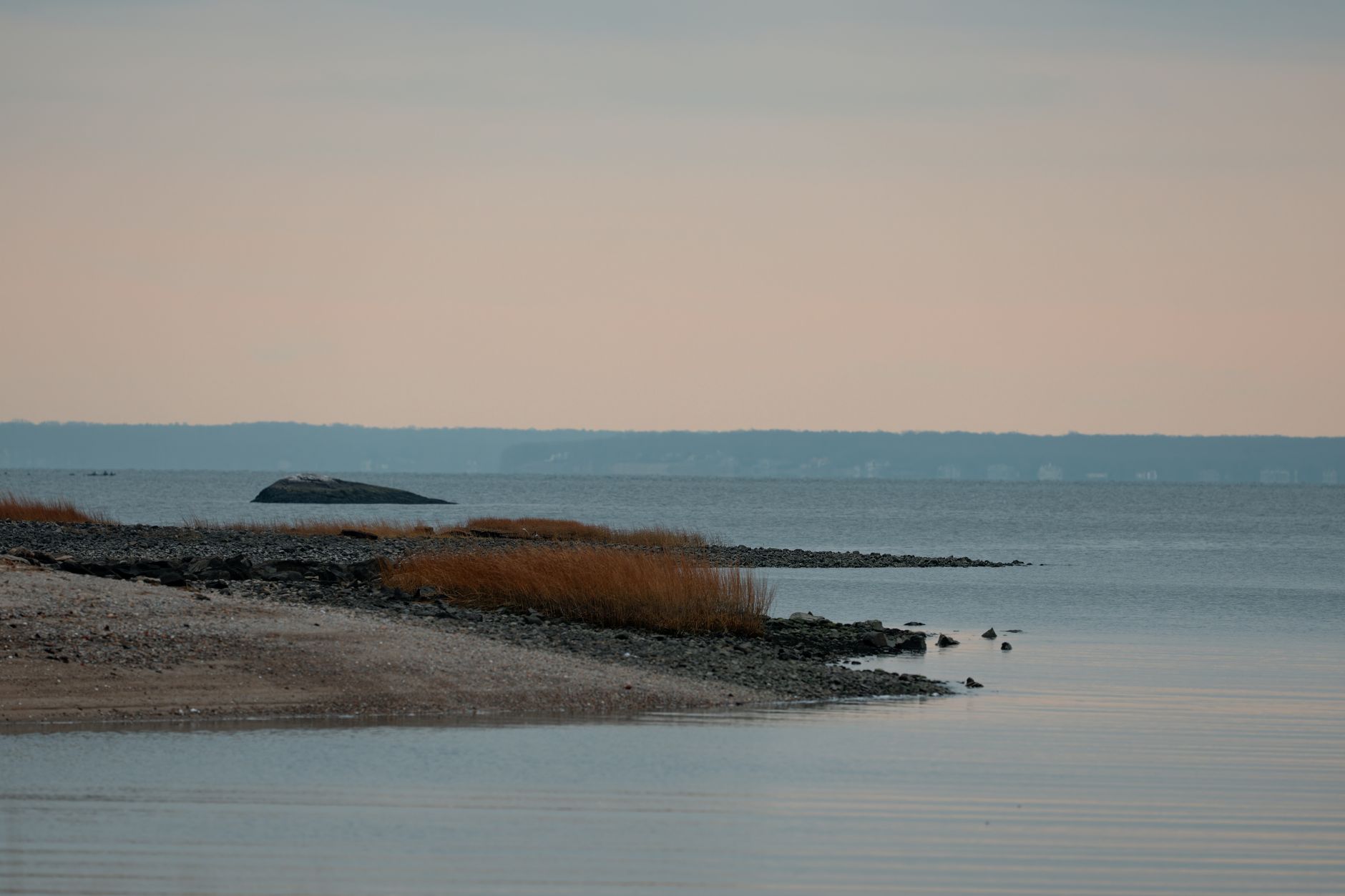
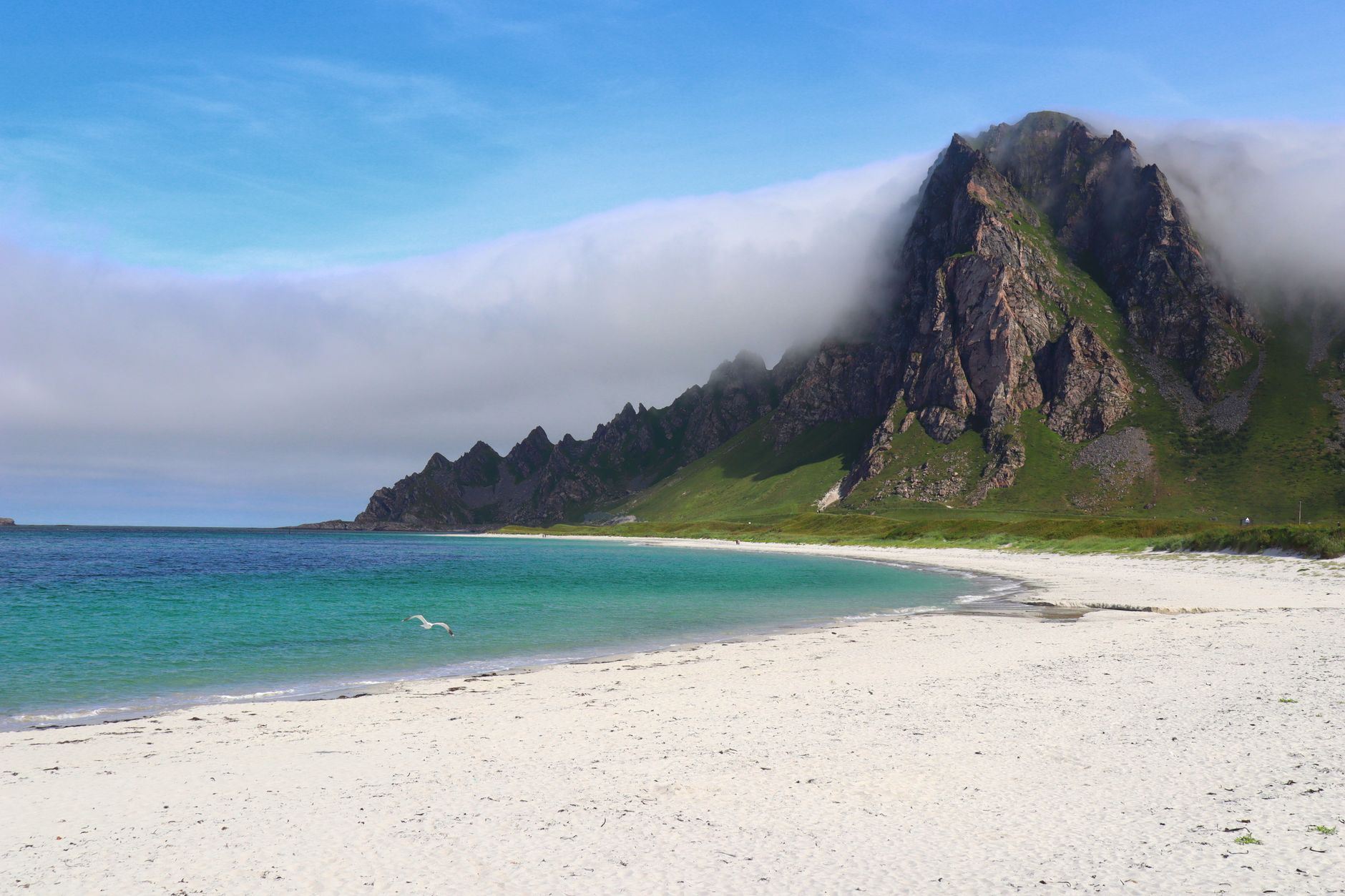
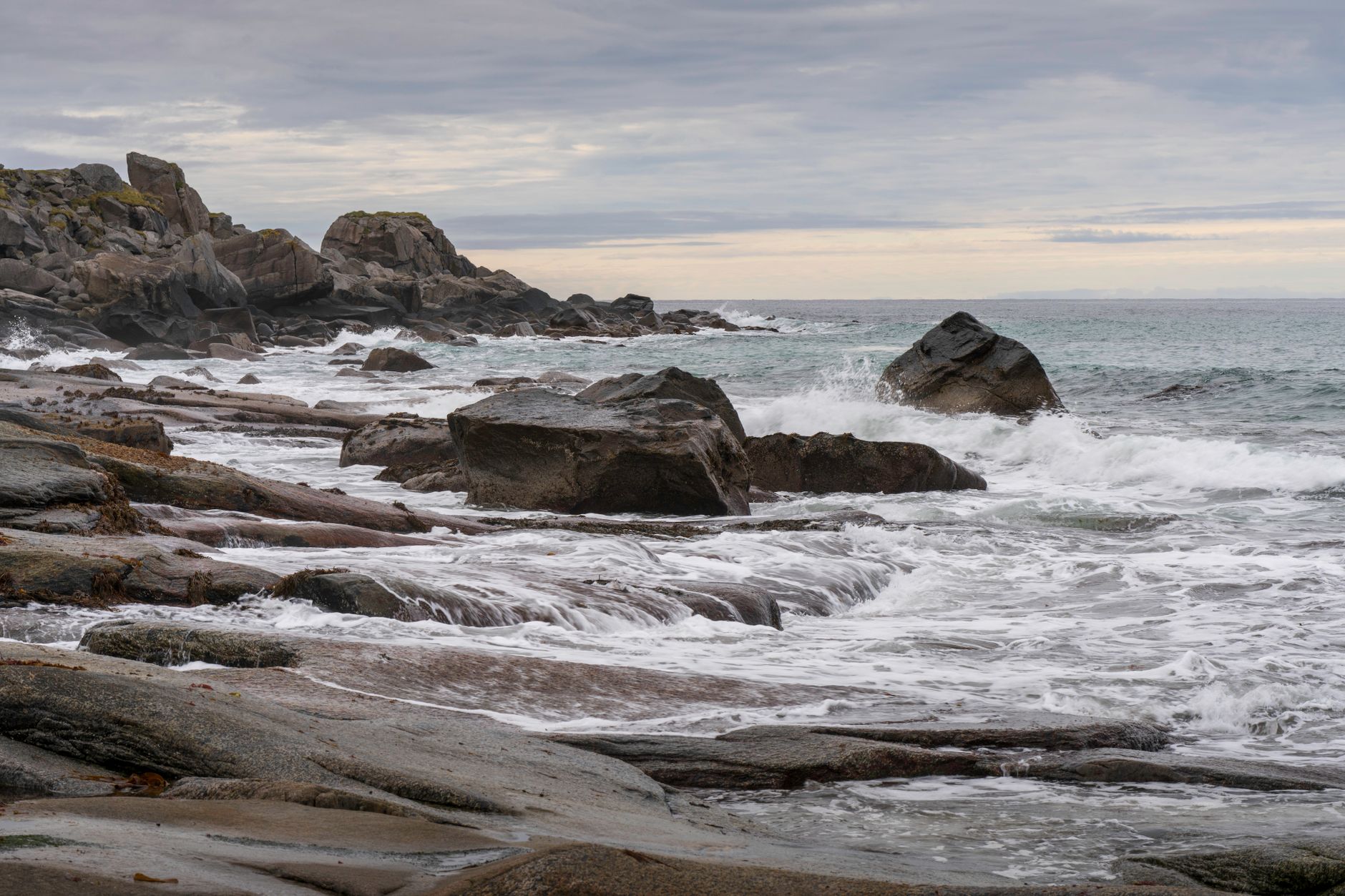
The shoreline curves in a shallow arc, stones ranging from fist-sized cobbles to palm-smoothing ovals in slate gray and charcoal black. Pack ice drifts offshore even in the austral summer—December through February—and you'll step from Zodiac to beach in insulated boots, not sandals. Chinstrap penguins waddle past in preoccupied columns, indifferent to your presence, while Antarctic terns hover overhead, their calls cutting through the wind that never quite stops. This is expedition cruising at its most stripped-down: no beach bars, no sun loungers, no cell service for a thousand miles. Your ship's naturalist will brief you on Low Impact Visitor Guidelines before you set foot on shore, and your time ashore rarely exceeds two hours. The weather dictates everything. Katabatic winds can scrub a landing in minutes, and the same bight that offers shelter one morning can churn with swells by afternoon. You'll return to the ship with grit under your fingernails and the peculiar satisfaction of having stood somewhere fewer people visit in a year than most beaches see in an hour. The pebbles in your pocket—technically prohibited, so leave them—will feel like contraband from a planet that tolerates human presence but does not invite it.
Places, rentals, tours and events within walking and driving distance of Norway Bight Beach.
Photos
Swimming at Norway Bight Beach is dangerous and not recommended under any circumstances. Antarctic waters maintain freezing or near-freezing temperatures year-round, leading to hypothermia within minutes of immersion. The remote location on Coronation Island means no emergency medical services are available, and rescue would be extremely difficult. Strong currents, unpredictable weather, floating ice, and potentially dangerous wildlife like leopard seals create additional hazards. Visitors should wear appropriate cold-weather gear and limit their beach experience to careful shoreline observation with experienced guides.
The Antarctic summer months from November through March provide the only practical window for visiting Norway Bight Beach, with December and January offering the most favorable conditions. During this period, temperatures are relatively warmer (though often still below freezing), sea ice extent is minimized, and wildlife activity peaks. Extended daylight hours, sometimes 24-hour daylight, enhance the experience. Even so, Antarctic weather remains severe and unpredictable throughout summer, with sudden storms and temperature drops common. All travel depends on expedition schedules and ice conditions.
Reaching Norway Bight Beach requires booking a specialized Antarctic expedition cruise that includes the South Orkney Islands—a less common itinerary than standard Antarctic Peninsula trips. Voyages typically depart from Ushuaia, Argentina, crossing challenging southern ocean waters over several days. Upon reaching Coronation Island, access to the beach depends on favorable weather, sea state, and ice conditions. Visitors would likely approach via Zodiac boats from the expedition vessel. The extreme remoteness and expedition-focused nature mean visits cannot be guaranteed and remain subject to conditions.
Norway Bight Beach and Coronation Island are completely uninhabited with zero tourist infrastructure. No hotels, restaurants, research stations, or any facilities exist on or near the island. All visitors must stay aboard their expedition cruise ship, which serves as the only source of accommodation, meals, fresh water, and shelter in the region. Expedition vessels range from basic to luxury, with corresponding variations in cabin comfort and dining quality. All provisions must be transported from South America, as no local resupply is possible.
Norway Bight Beach offers exceptional remoteness even by Antarctic standards, located in a bight formation on Coronation Island with 'strong expedition-map value' for serious Antarctic explorers. The pebble beach composition and sheltered bight configuration may create distinctive geological features and ice formations. Its position on one of the South Orkney Islands' larger but rarely visited islands means extraordinarily pristine conditions and minimal human impact. The beach serves explorers and researchers interested in comprehensive coastal documentation rather than typical tourism, offering authentic wilderness experiences.