Counting the waves…
Counting the waves…

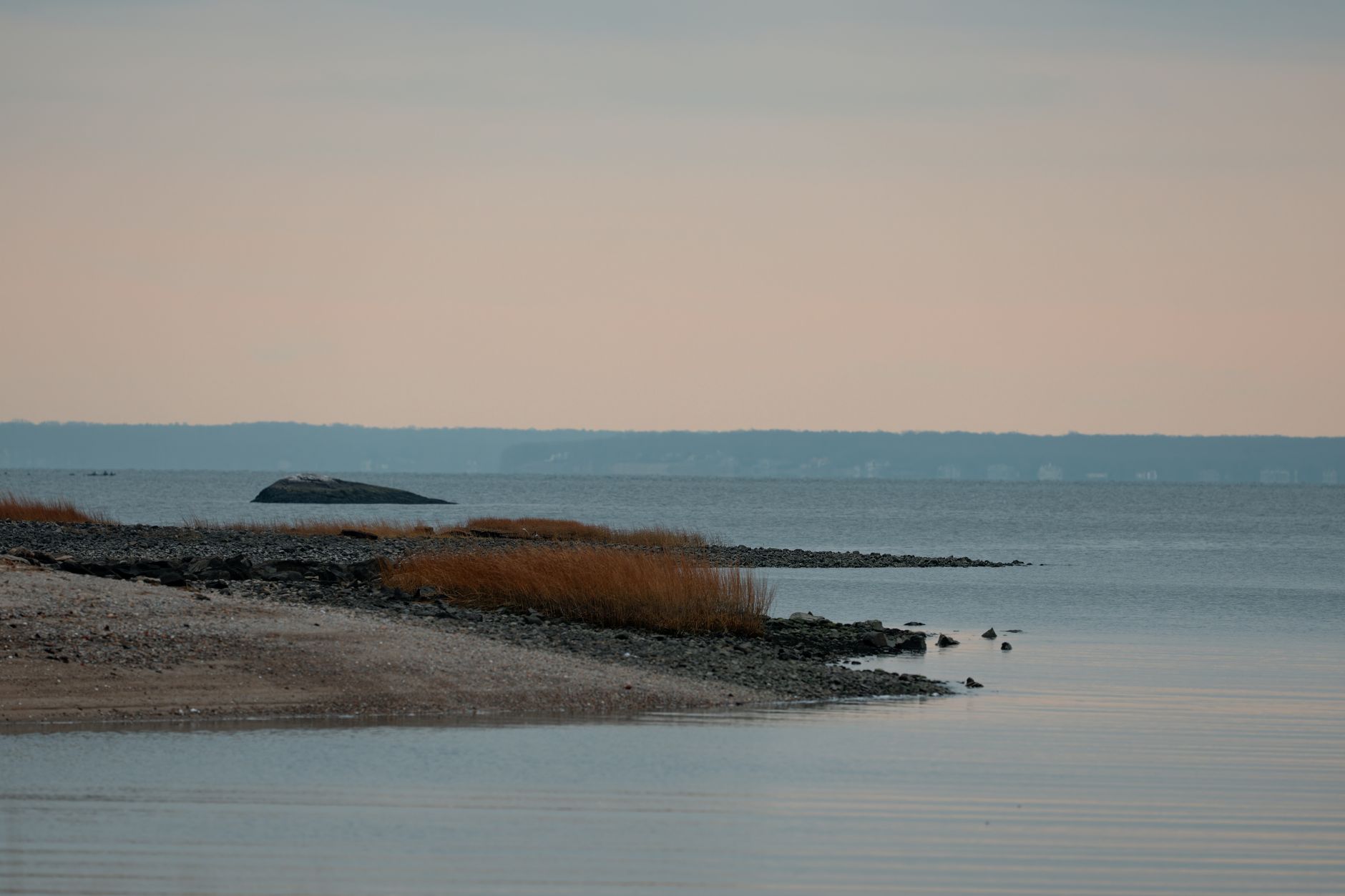
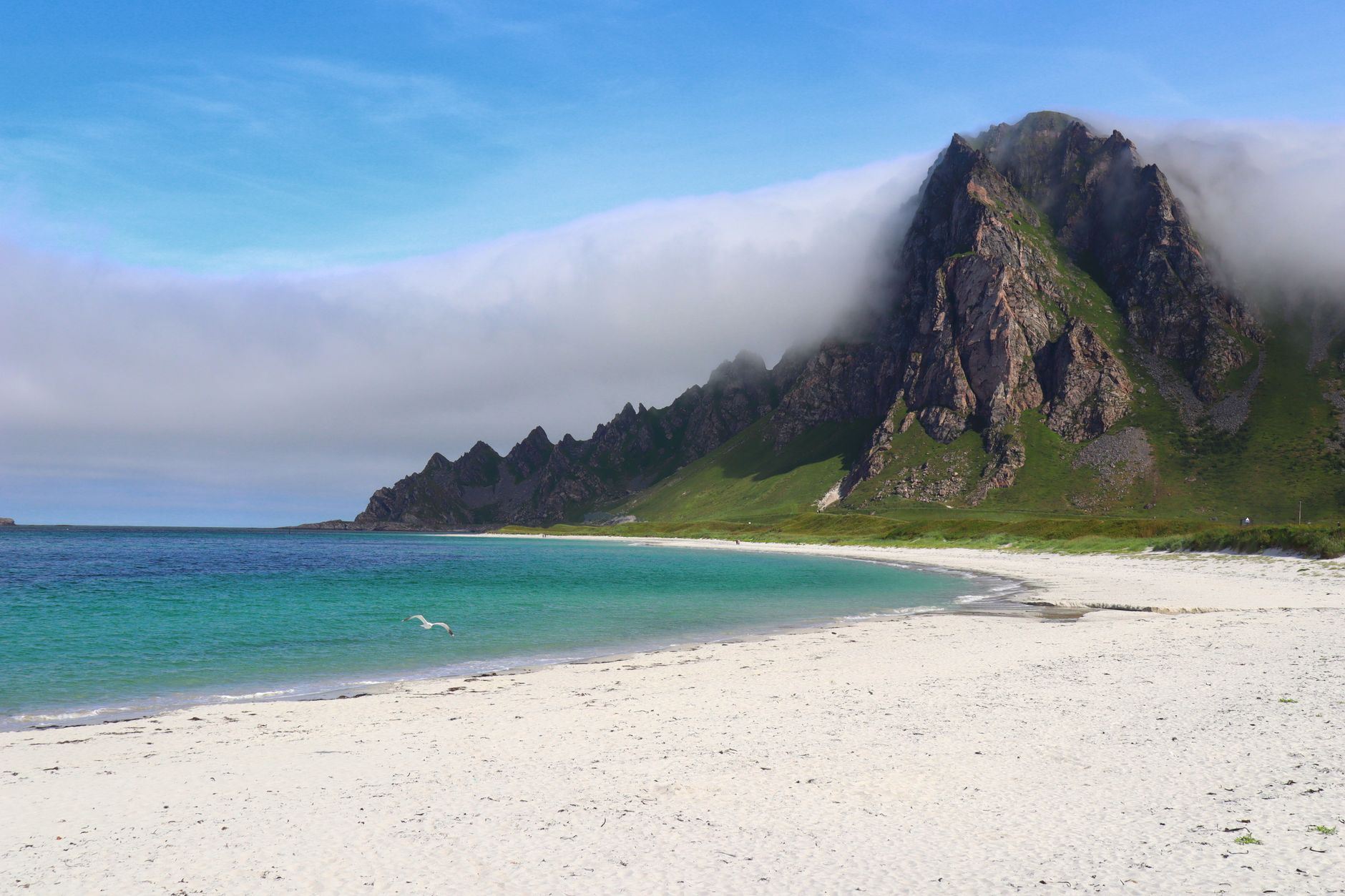
Sandefjord Bay Beach sprawls along the northern edge of Coronation Island, a crescent of polished pebbles shaped by millennia of Antarctic swells. You won't find sunbathers here—the austral summer rarely pushes temperatures above freezing—but you will find chinstrap penguins porpoising through the shallows and Weddell seals hauled out on ice fragments that bob in the gunmetal water. The beach serves as a critical landing site for the handful of expedition vessels that navigate these latitudes, its protected aspect offering rare respite from the Drake Passage's notorious fury. The stones underfoot range from thumbnail-sized to fist-width, worn smooth by relentless wave action and glacial melt. Behind you, ice-sheathed peaks rise steeply, their flanks striped with blue crevasses. The bay itself curves nearly two kilometers, framed by headlands that funnel katabatic winds across the water's surface, creating patterns that shift from slate to silver as clouds race overhead. Timing is everything. The brief window between late November and February offers the most navigable conditions, though "navigable" remains relative in waters where icebergs calve without warning and weather systems spawn in minutes. You'll share this beach with scientists rotating through nearby research stations and the occasional mountaineering team attempting first ascents on unnamed summits. The solitude is absolute, the beauty unforgiving.
Places, rentals, tours and events within walking and driving distance of Sandefjord Bay Beach.
Photos
Swimming is not recommended at Sandefjord Bay Beach due to Antarctic waters averaging -1°C to 2°C year-round, which can cause cold shock and hypothermia within minutes. The pebble beach and surrounding waters present extreme conditions unsuitable for recreational swimming. Visitors should maintain safe distances from the shoreline and never enter the water without specialized cold-water survival equipment and professional supervision during organized expeditions.
The Antarctic summer months from November through March offer the only viable visiting window, with December and January providing the best weather conditions. During this period, temperatures reach slightly above freezing, sea ice breaks up allowing ship access, and wildlife activity peaks. February and March see fewer expedition vessels, offering more solitude. Outside these months, the area is locked in ice and 24-hour darkness makes access virtually impossible for tourism.
Reaching Sandefjord Bay Beach requires joining a specialized Antarctic expedition cruise, typically departing from Ushuaia, Argentina. The journey involves several days crossing the Drake Passage and Scotia Sea. Access to the beach itself is by Zodiac boat from the expedition vessel, weather and ice conditions permitting. There are no scheduled services, airports, or independent travel options. All visits require experienced polar guides and favorable conditions for safe landing.
No permanent facilities, accommodations, or food services exist on Coronation Island. Visitors stay aboard expedition cruise ships that provide all meals, lodging, and amenities. The island is uninhabited wilderness with no infrastructure, restaurants, hotels, or even basic shelters. All provisions must be brought via ship. Day visits to the beach are brief excursions from the vessel, typically lasting a few hours before returning to the ship for all services and overnight accommodation.
Sandefjord Bay Beach holds geographic significance as a major bay within the South Orkney Islands archipelago, offering insights into this lesser-visited Antarctic region compared to the more popular Antarctic Peninsula. The bay's sheltered position on Coronation Island provides unique wildlife observation opportunities, particularly for seals and seabirds. Its remote location in the South Orkneys means dramatically fewer visitors than mainland Antarctic sites, offering exceptional wilderness solitude and pristine Antarctic coastal landscapes largely untouched by human activity.