Counting the waves…
Counting the waves…
A refined fusion of water purity, environmental stability, and communal vibrancy for Port Harriet Beach.
View MethodologyAnalyzed via live sensors and environmental data.
Wave height, wind, and atmospheric stability.
Live footfall and crowd balance metrics.
Community reviews and curated sentiment.
“You'll hear the bark of sea lions before you spot the sand at Port Harriet, a lonely strand tucked into one of East Falkland's quietest inlets. Tussock grass bends in the Atlantic gale, diddle-dee berries stain the…”
Limited recent visitor reports — live OBI telemetry is your best guide for current conditions.
Port Harriet Beach reveals itself slowly as you navigate the rutted track from Stanley, the capital forty minutes northeast. The shoreline curves in a shallow arc between rocky headlands thick with kelp, and at low tide the sand stretches wide and firm, ribbed by retreating water. Shells crunch underfoot—mussels, limpets, the occasional whale vertebra bleached bone-white. The air tastes of salt and peat smoke drifting from distant settlements, and the cold never quite leaves, even in the height of the Falklands summer.
This is not a beach for sunbathing. You come for the wildlife: gentoo penguins porpoising through the shallows, kelp geese stalking the wrack line, the occasional peale's dolphin cutting the surface offshore. The water hovers around eight degrees Celsius in January, a shock even through a wetsuit. Families from the handful of farms nearby bring children to skip stones and search tide pools for starfish and crabs, their laughter swallowed by wind that has traveled unbroken across the Southern Ocean.
 Credit: Unsplash
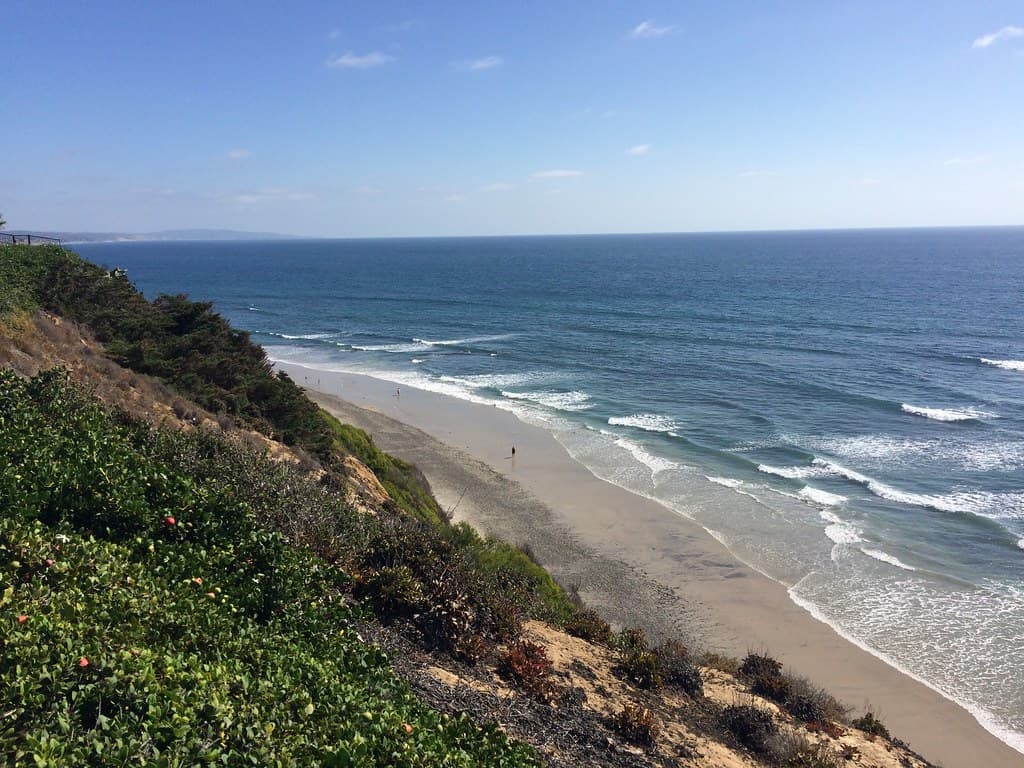
a sandy beach with a body of water in the background
 Credit: Unsplash
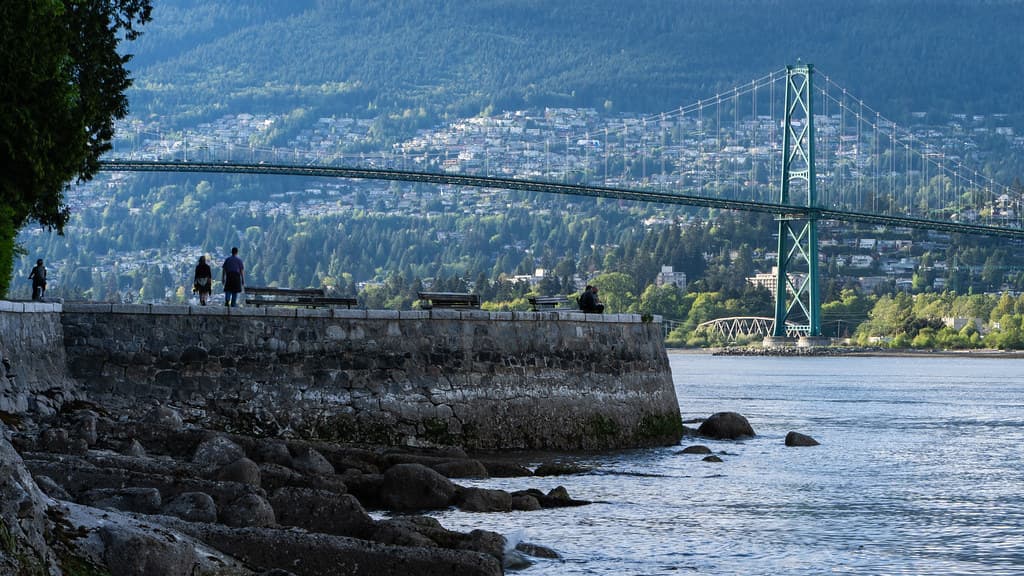
sea waves crashing on shore during daytime
Seals and penguins at arm's length
Kelp beds and tussock bird colonies
Eight-degree water, wetsuit essential
Prime Visitation
Best Weather | Less Crowds
Where it is
Port Harriet Beach
East Falkland, Antártida e Islas del Atlántico Sur, Argentina
-51.802600°, -58.024800°
Weather
Loading…
Swell
—
Temp
Warm · Restorative
UV Index
Moderate
Wind
—
Tidal State
Last known
Max Sunlight
—
Ideal Shade
—
Jan - Dec (Peak)
Mar - Nov (Off-season)
Best Weather | Less Crowds
Select a category to load nearby places.
Unlock restaurants, luxury stays and curated maritime experiences within 2km
Swimming at Port Harriet Beach is technically possible but challenging due to frigid water temperatures between 3-9°C throughout the year. The sheltered inlet location provides some protection from strong currents, making it safer than exposed coastline, but hypothermia remains a serious risk. Most visitors avoid swimming, preferring to wade or explore tidepools during low tide. If entering the water, wear appropriate thermal protection and never swim alone. Wildlife including seals may be present, so maintain respectful distances. The beach is better suited for walking, beachcombing, and scenic enjoyment.
Visit Port Harriet Beach during the Falklands summer from November through March for the most pleasant conditions, with temperatures ranging from 8-15°C and extended daylight hours. This period offers the best weather for beach walks and wildlife observation, though conditions remain unpredictable. Early summer (November-December) brings active breeding seabird colonies and fewer tourists. The sheltered location makes Port Harriet more accessible than exposed beaches during shoulder seasons, but always prepare for wind and sudden weather changes. Winter visits (June-August) are possible but very cold with limited daylight.
Port Harriet Beach is located in a rural area of East Falkland, requiring private transportation to reach. From Stanley, rent a 4WD vehicle suitable for unpaved Falklands tracks, as standard cars may struggle on rough terrain. The journey involves navigating unmarked tracks, so carrying detailed maps or GPS is essential. Some tour operators offer guided trips to less-visited East Falkland beaches including Port Harriet. Always inform your accommodation of travel plans and expected return time. The journey offers scenic rural landscapes and wildlife sightings, making the drive part of the experience.
Port Harriet Beach has no facilities, services, or nearby commercial establishments. Visitors must bring all supplies including food, water, warm drinks, and emergency provisions. The nearest accommodation is in Stanley, approximately an hour's drive away, where you'll find hotels, guesthouses, and B&Bs. Pack a substantial picnic and extra layers, as the remote coastal location can be windy and cold even in summer. There are no toilets or shelters at the beach. Plan for a self-sufficient day trip, bringing trash bags to pack out all waste.
Port Harriet Beach offers an authentic, off-the-beaten-path Falklands coastal experience without tourist infrastructure or crowds. Its location near sheltered inlets provides varied coastal scenery, combining sandy beach with rocky outcrops and tidal areas rich in marine life. The surrounding rural landscape showcases traditional Falklands countryside with sheep farms and open moorland. The beach's low profile means you'll likely have it entirely to yourself, perfect for families seeking peaceful exploration and beachcombing. Its accessibility from Stanley via self-drive makes it achievable for independent travelers wanting genuine wilderness.
Photos