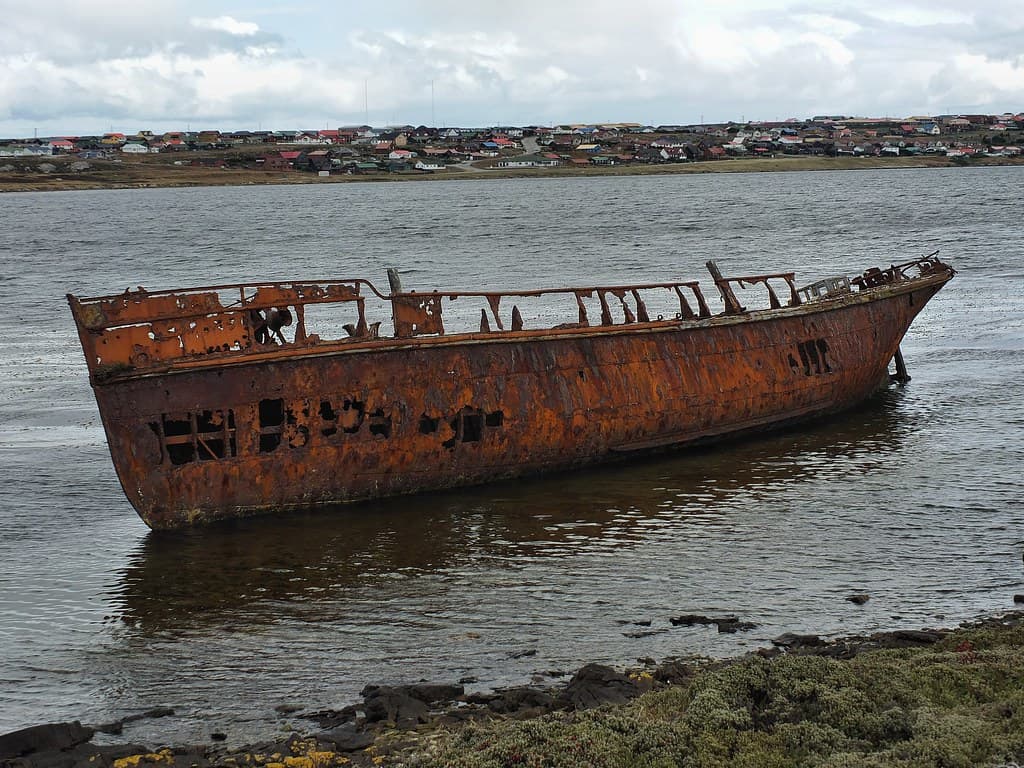
Counting the waves…
Counting the waves…

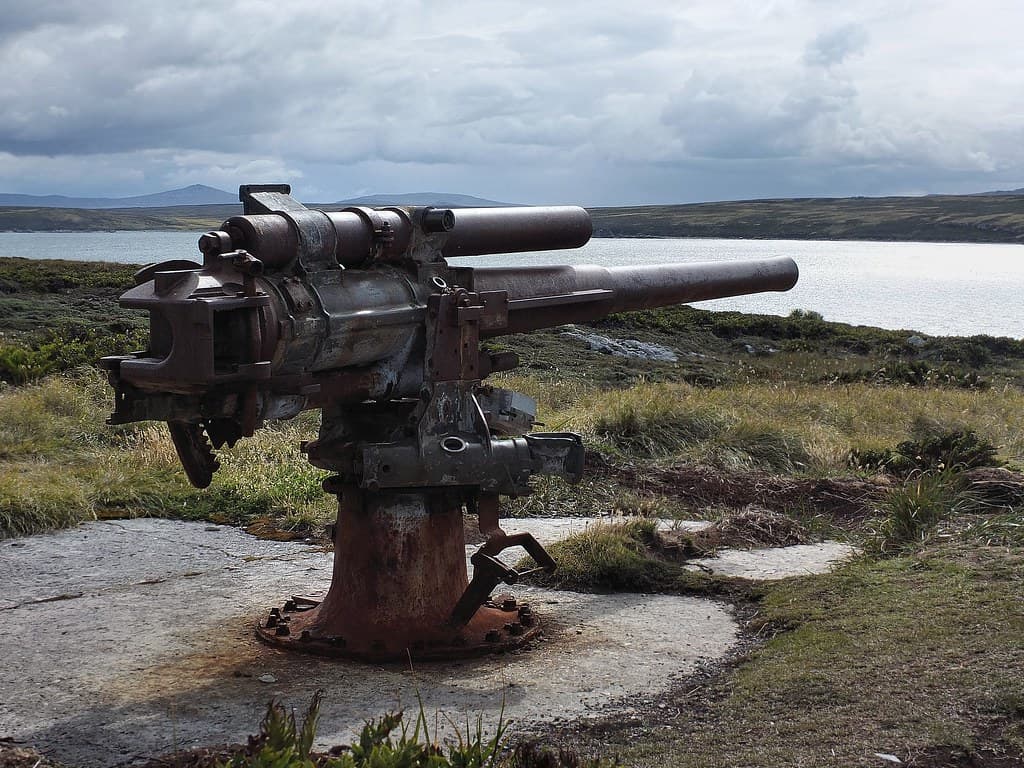
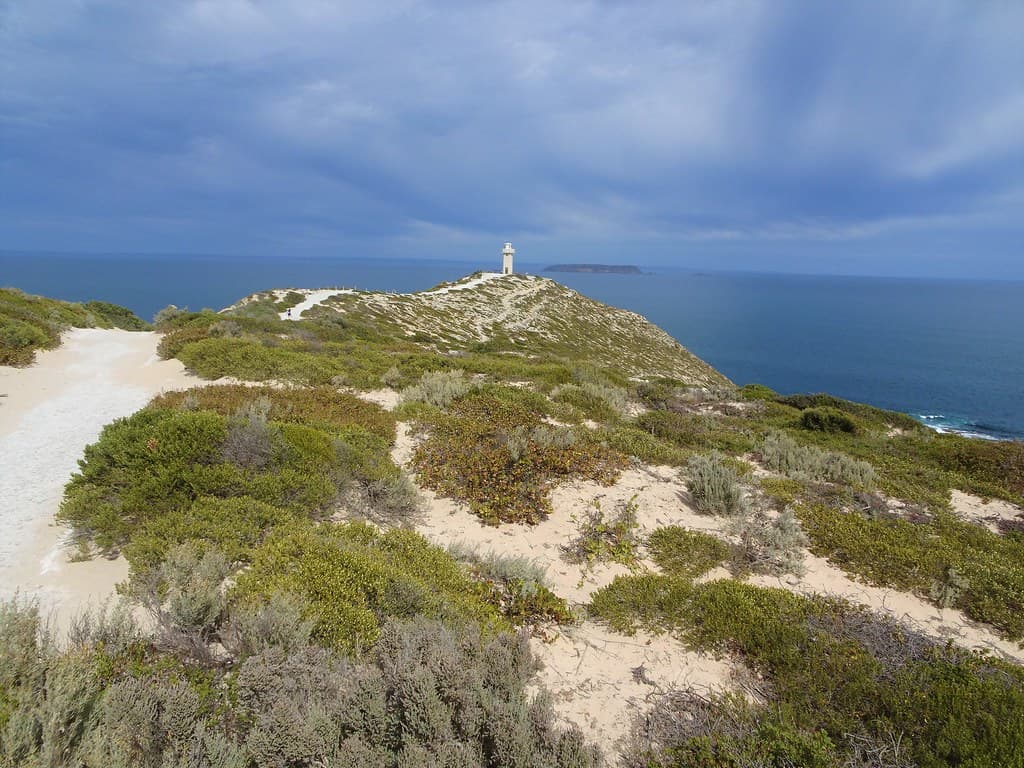
Whalebone Cove sits tucked below the coastal track that winds east from Stanley, a crescent of coarse sand and smooth stones where the South Atlantic meets grassland bluffs. The cove earned its name from the whale ribs that once littered its shores—remnants of the islands' whaling past—and today it remains a place where natural history unfolds quietly. Kelp geese pick through the wrack line while Magellanic penguins waddle past tussac grass, unperturbed by the occasional walker. The water here is too cold for anything but the briefest dip, even in the austral summer, but the cove rewards those who come to observe rather than swim. At low tide, rockpools teem with limpets and anemones, and the exposed reefs reveal layered sedimentary bands that tell millions of years of geological stories. The wind is constant, sometimes ferocious, carrying the cries of gulls and the distant growl of elephant seals from neighboring beaches. You'll likely share the cove with more wildlife than people. Local families come on calm afternoons to explore the tidepools, and photographers arrive at dawn when the light turns the water pewter and gold. There are no facilities, no vendors, no umbrellas—just the raw, unvarnished coast of the Falklands, where the elements dictate the rhythm of your visit.
Places, rentals, tours and events within walking and driving distance of Whalebone Cove.
Photos
Swimming at Whalebone Cove is generally not recommended due to extremely cold water temperatures year-round, typically between 2-9°C (36-48°F). The sheltered nature of the cove provides some protection from strong currents, but hypothermia risk remains high even in summer. Most visitors enjoy the beach for walking, wildlife observation, and coastal scenery rather than water activities. If you do enter the water, wear appropriate cold-water protection and never swim alone.
The optimal visiting period is during the Falklands summer from November through March, when temperatures are milder (averaging 8-13°C) and daylight hours are longest. December and January offer the best weather with less wind, though conditions can change rapidly. Wildlife is more active during these months. Winter (June-August) brings harsher conditions with strong winds, shorter days, and temperatures often below 5°C, making beach exploration less comfortable though still possible for hardy visitors.
Whalebone Cove is located a short distance from Stanley town center and is accessible by foot, bicycle, or vehicle. The walk takes approximately 20-40 minutes depending on your starting point and fitness level. Roads in Stanley are generally well-maintained, and you can drive to nearby parking areas. The cove is close enough for a casual day trip without requiring special transportation arrangements or guided tours, making it convenient for independent exploration.
Given Whalebone Cove's proximity to Stanley, all accommodation and dining options are in town rather than at the beach itself. Stanley offers several guesthouses, bed and breakfasts, and small hotels, plus a few pubs and cafés serving local cuisine. There are no facilities directly at the cove, so bring water and snacks for your visit. Most visitors stay in Stanley and make Whalebone Cove a short excursion, returning to town for meals and overnight stays.
Whalebone Cove offers a more intimate, sheltered coastal experience compared to exposed beaches in the area. Its protected position creates calmer waters and a peaceful atmosphere ideal for families and those seeking a quieter alternative to busier spots. The cove's proximity to Stanley makes it perfect for spontaneous visits without extensive planning. Local residents often visit for short coastal walks and bird watching, giving it an authentic, off-the-beaten-path character despite being close to the capital.