Counting the waves…
Counting the waves…
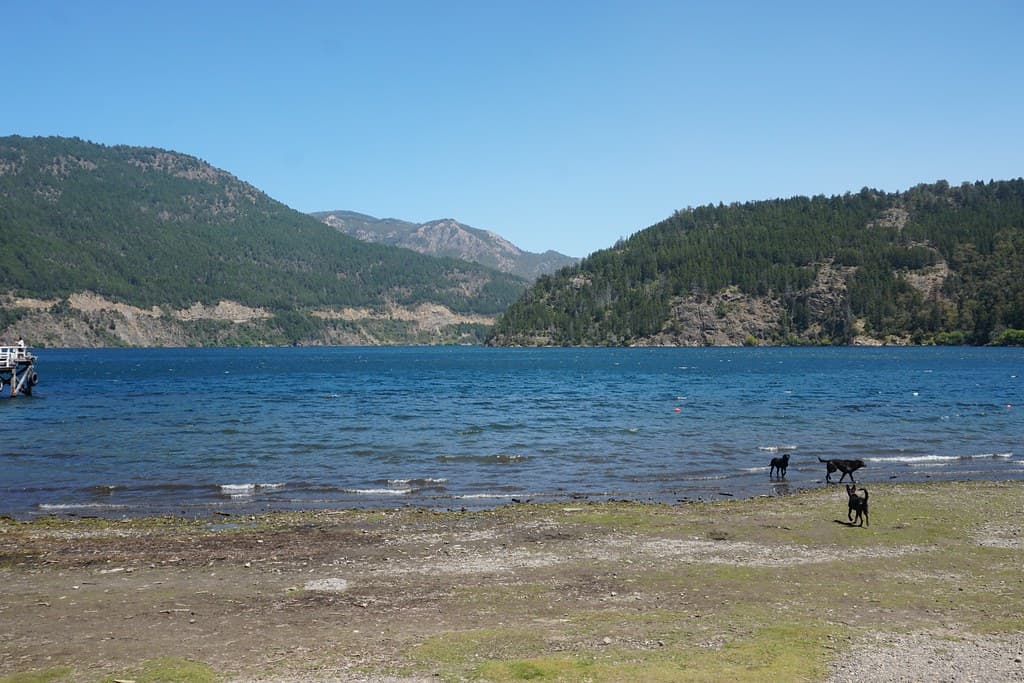
You step from the inflatable craft onto stones the size of fists, each one polished smooth by Antarctic storms and tidal churn. The beach curves in a dark gray arc beneath tussock grass slopes that rise toward snowfields, while elephant seals—some weighing three tons—lounge with unsettling indifference mere yards from your landing zone. Their guttural belches punctuate the silence as you navigate between sprawled bodies, careful not to block escape routes to the water. This is expedition cruising at its rawest: no pier, no facilities, no guarantee you'll land at all if the Drake Passage swell wraps into the bay. Your expedition leader radios the ship while you explore tide pools thick with Antarctic limpets and watch fur seal pups practice swimming in the shallows. The remains of Godthul's brief whaling era—rusted boilers, scattered timbers—slowly surrender to lichen and weather, offering tangible proof of human ambition meeting Antarctic reality. The bay's steep walls funnel katabatic winds down from the interior ice sheet, and you feel the temperature drop as clouds spill over the ridgeline. Weather changes arrive in minutes here, not hours. You photograph nesting light-mantled sooty albatrosses on cliff ledges, their white eye-rings giving them a perpetually startled expression, before the Zodiac horn signals retrieval. Your boots leave temporary prints in the pebbles—tide and time will erase them within hours.
Places, rentals, tours and events within walking and driving distance of Godthul Beach.
Photos
Swimming is highly dangerous and strongly discouraged. Water temperatures remain near freezing throughout the year, causing hypothermia within minutes of immersion. The remote location means zero emergency services or medical support. Strong winds can create unpredictable waves and currents. Wildlife including fur seals are present and can be aggressive if humans enter the water or disturb them. Visitors should remain on shore, dress in warm waterproof layers, and maintain safe distances from both water and wildlife. Follow all expedition leader safety protocols.
The optimal visiting window is November through March during the Antarctic summer when expedition cruises operate and conditions are most manageable. December to February offers the mildest weather with temperatures typically between 0-7°C and maximum daylight hours. Wildlife is most active and accessible during this period, including breeding seals and foraging penguins. However, weather remains highly unpredictable year-round with frequent storms, strong winds, and sudden changes. Most operators only schedule visits during these summer months when sea ice permits safe passage.
Godthul Beach is accessible exclusively via expedition cruise ships offering South Georgia itineraries. Voyages typically depart from Ushuaia, Argentina, or occasionally the Falkland Islands, requiring 2-3 days sailing across the Southern Ocean. Upon arrival at Godthul bay, passengers transfer from the anchored ship to shore using Zodiac inflatable boats. All landings are weather-dependent and may be cancelled due to high seas or wind conditions. No airstrips, docks, roads, or permanent settlements exist at Godthul. Advanced booking with specialized polar operators is necessary.
Godthul Beach is uninhabited wilderness with absolutely no facilities, infrastructure, or services. No hotels, restaurants, shops, toilets, or shelters exist anywhere in the Godthul area. All accommodation, meals, and amenities are provided aboard your expedition cruise ship throughout the journey. Shore visits are temporary excursions lasting a few hours before returning to the vessel. The nearest human presence is Grytviken research station, accessible only by sea and offering no tourist accommodation. Visitors must rely entirely on their ship for all needs.
Godthul, meaning 'good hollow' in Norwegian, offers exceptional natural shelter within its bay, creating unique wildlife habitat and calmer landing conditions. The abandoned whaling station ruins add historical intrigue to the pristine landscape, showing nature's reclamation of industrial sites. The beach's relative seclusion means fewer expedition ships visit compared to more famous South Georgia locations, providing enhanced solitude and wilderness experience. The combination of protected waters, rugged coastal scenery, abundant wildlife, and historical remnants creates a distinctive atmosphere unique to this remote bay.