Counting the waves…
Counting the waves…
A refined fusion of water purity, environmental stability, and communal vibrancy for Hope Point Beach.
View MethodologyAnalyzed via live sensors and environmental data.
Wave height, wind, and atmospheric stability.
Live footfall and crowd balance metrics.
Community reviews and curated sentiment.
“Your boots crunch over smooth stones polished by the Southern Ocean, the air sharp with salt and the musk of elephant seals hauled out on the dark gravel. Beyond the corrugated-iron relics of Grytviken's whaling days,…”
Limited recent visitor reports — live OBI telemetry is your best guide for current conditions.
Hope Point Beach is not a place you sunbathe—it's where you stand in your waterproof shell, watching light fracture through mist as the wind carries the calls of fur seals from the tussock grass. The beach itself is modest, a narrow band of dark, wave-smoothed pebbles wedged between the weathered bones of industrial history and the raw edge of the Southern Ocean. At your back, the rusted tanks and skeletal buildings of the old whaling station; ahead, the open cove where zodiac boats motor past and the occasional wandering albatross tilts against the updraft.
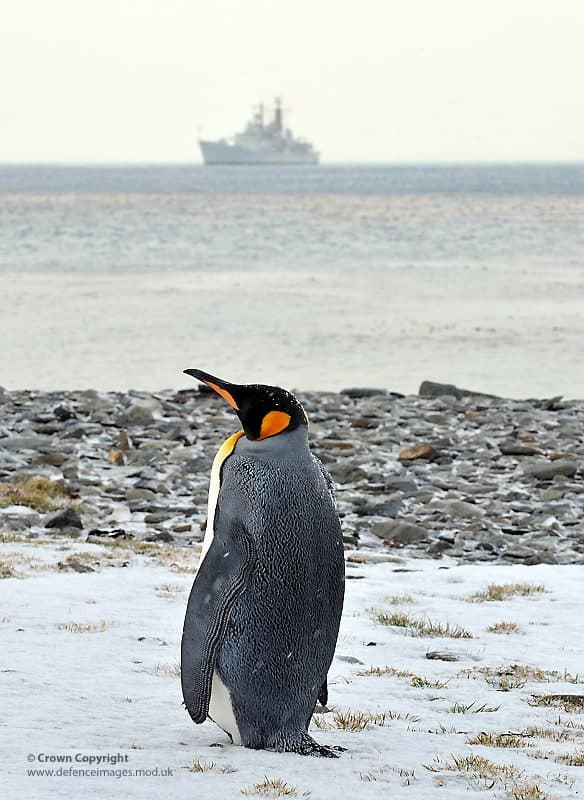
The best light arrives during the austral summer evenings, when the sun hangs low and paints the surrounding peaks in shades of copper and rose. You'll share the shoreline with elephant seals, massive and indifferent, and the occasional gentoo penguin waddling purposefully toward the water. The pebbles shift and clatter under your weight, each stone a relic of volcanic fire now tempered by Antarctic ice.
 Credit: Unsplash
a sandy beach with a body of water in the background
 Credit: Unsplash
sea waves crashing on shore during daytime
Whaling relics meet glacial peaks
Connect beach to cemetery walk
Elephant seals on dark stones
Prime Visitation
Best Weather | Less Crowds
Where it is
Hope Point Beach
Grytviken, Antártida e Islas del Atlántico Sur, Argentina
-54.283900°, -36.489600°
Weather
Loading…
Swell
—
Temp
Warm · Restorative
UV Index
Moderate
Wind
—
Tidal State
Last known
Max Sunlight
—
Ideal Shade
—
Jan - Dec (Peak)
Mar - Nov (Off-season)
Best Weather | Less Crowds
Select a category to load nearby places.
Unlock restaurants, luxury stays and curated maritime experiences within 2km
Swimming at Hope Point Beach is not safe or recommended. The waters of King Edward Cove and surrounding South Georgia coast are extremely cold year-round, posing immediate hypothermia danger. Wildlife including seals may be present and can behave unpredictably or aggressively if disturbed. The beach is near the Grytviken settlement but still lacks any lifeguard services or emergency response capabilities. Hope Point is visited for scenic viewing, photography, and wildlife observation rather than water recreation. Always follow expedition guide instructions and maintain appropriate distances from marine mammals.
The best time to visit Hope Point Beach is during the austral summer months from November through March when South Georgia is accessible to expedition vessels and weather is relatively favorable. December to February offers the longest daylight hours and warmest temperatures, though conditions remain cold by most standards. This period provides optimal wildlife viewing and photography opportunities. The beach's proximity to Grytviken means it may be visited as part of broader area exploration. Weather patterns remain highly variable, so flexible scheduling is essential regardless of season.
Hope Point Beach is reached via expedition cruise ship, with visitors transported ashore by zodiac boats. Located near Grytviken in King Edward Cove, it may be accessed during broader Grytviken area visits. All travelers must join organized Antarctic expedition cruises departing from ports like Ushuaia, Argentina, or the Falkland Islands, involving a multi-day ocean crossing. Landing at Hope Point depends on weather and sea conditions permitting safe zodiac operations. All shore visits require permits and are supervised by experienced expedition guides trained in Antarctic protocols.
Hope Point Beach itself has no restaurants or hotels. The nearby Grytviken settlement houses only a small British Antarctic Survey research station, museum staff, and historic whaling station site, with extremely limited facilities not available to tourists. All expedition visitors stay aboard their cruise ships for accommodations and meals. Shore excursions to Hope Point are brief, typically lasting one to three hours as part of Grytviken area exploration. Visitors must follow strict environmental protocols and cannot bring food ashore. All supplies must remain ship-based.
Hope Point Beach offers excellent sunset viewing opportunities when weather permits, with westward views across King Edward Cove creating photogenic conditions. Its small, quiet nature provides a more intimate experience compared to busier Grytviken landing sites near the whaling station and museum. The beach complements broader Grytviken area exploration, allowing visitors to experience different perspectives of King Edward Cove. Wildlife sightings including seals are common. Its position provides unique vantage points for photographing the surrounding mountains and glaciers, making it valuable for comprehensive Grytviken-area coverage.
Photos