Counting the waves…
Counting the waves…

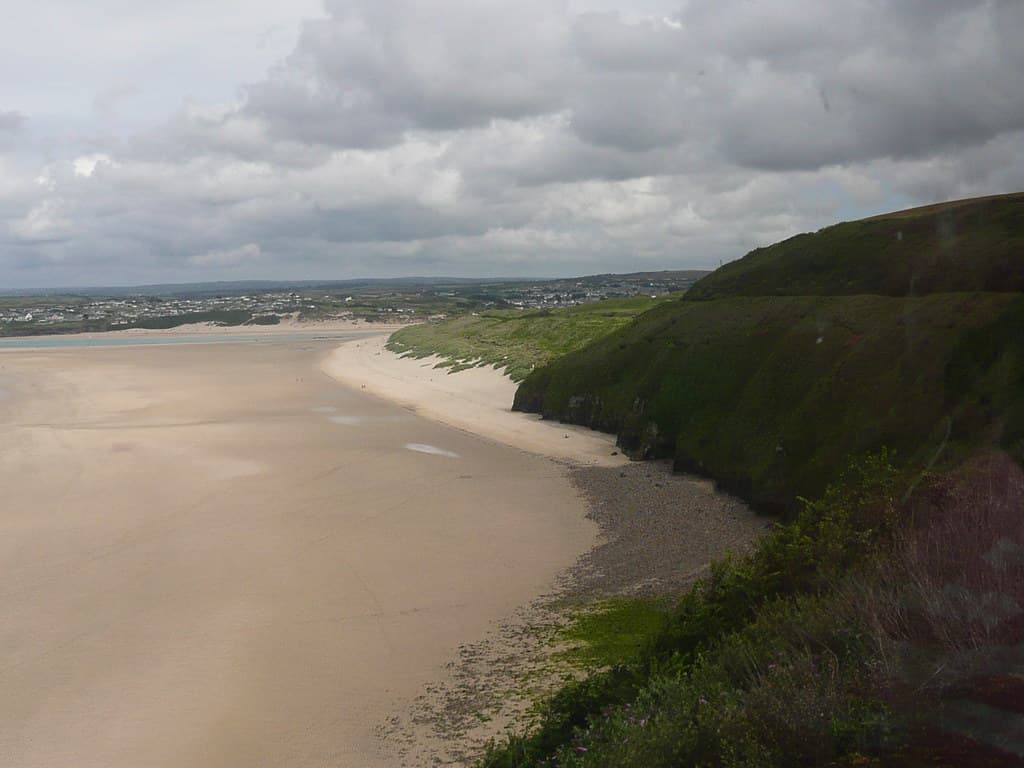
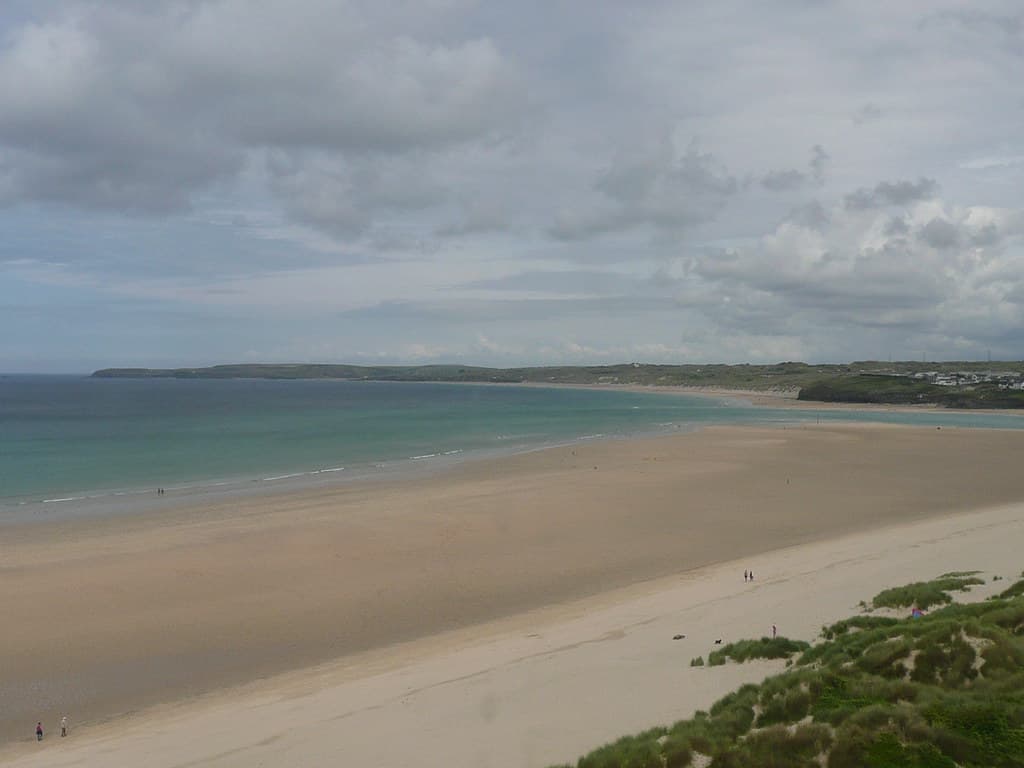
The shoreline at Kidney Cove stretches in a gentle arc beneath a treeless sky, its sand the color of winter wheat. Wind ripples across the marram grass, bending stalks toward the water, and the air carries salt, kelp, and the faint musk of penguin colonies. This is a beach measured not in sunbeds or umbrellas but in the number of Magellanic penguins braying from their burrows and the cormorants diving beyond the breakers. You'll walk here from Stanley, following vehicle tracks and sheep trails across heath dotted with diddle-dee berries. The terrain rolls and dips, offering glimpses of the cove before you descend the final slope. At low tide, rocks emerge slick with green algae, and tide pools hold small crabs and purple starfish. The water stays cold year-round—ten degrees Celsius even in summer—but the drama lies in watching the wildlife navigate the same beach you're exploring. Families spread picnics on the upper beach while children search for shells and sea glass worn smooth by the relentless churn. The landscape feels vast and indifferent, a reminder that beauty here doesn't cater to comfort. Pack layers, even in December, and prepare for weather that shifts from bright sun to squalls within an hour. The reward is solitude, space, and a shoreline that belongs as much to the penguins as to you.
Places, rentals, tours and events within walking and driving distance of Kidney Cove Beach.
Photos
Swimming at Kidney Cove Beach is generally not recommended due to very cold water temperatures year-round, typically ranging from 2-8°C. The South Atlantic waters can be unpredictable with strong currents and sudden weather changes. Most visitors enjoy the beach for walking, wildlife observation, and photography rather than swimming. If you do enter the water, be extremely cautious and never swim alone. Always check local conditions and weather forecasts before visiting.
The optimal time to visit Kidney Cove Beach is during the Falkland Islands summer months from November through March, when temperatures are milder (5-15°C) and daylight hours are longer. This period offers the best weather conditions with less wind and rain, though the climate remains unpredictable. Wildlife is particularly active during these months, with seabirds nesting and marine mammals visible along the coast. Visiting during these months also means fewer crowds, as tourism remains limited throughout the year.
Kidney Cove Beach is located north of Stanley and can be reached by 4WD vehicle or arranged tour. The journey typically requires navigating unpaved tracks across open countryside, so hiring a local guide or joining an organized tour is recommended for first-time visitors. The distance from Stanley is manageable as a day trip, but road conditions vary significantly with weather. Some visitors arrange transportation through Stanley-based tour operators who provide vehicle and local knowledge. Always inform someone of your travel plans when heading to remote areas.
Kidney Cove Beach is a remote location without on-site facilities, restaurants, or accommodations. Visitors should bring all necessary food, water, and supplies from Stanley, which offers hotels, guesthouses, and dining options. Stanley remains the nearest settlement with full tourist infrastructure, located within reasonable driving distance. Day trips are most practical, though some tour operators may arrange picnic lunches. Always pack extra layers, emergency supplies, and provisions as weather can change rapidly and facilities are non-existent at the beach itself.
Kidney Cove Beach offers exceptional wildlife viewing opportunities in a pristine, low-density coastal setting with expansive open landscape views characteristic of the Falklands. The beach provides excellent chances to observe seabirds, seals, and occasionally penguins in their natural habitat without crowds. Its position north of Stanley makes it less visited than beaches closer to the capital, preserving its wild character. The combination of sandy shoreline, dramatic coastal scenery, and abundant wildlife creates a quintessential remote Falkland Islands experience perfect for nature photography and peaceful exploration.