Counting the waves…
Counting the waves…

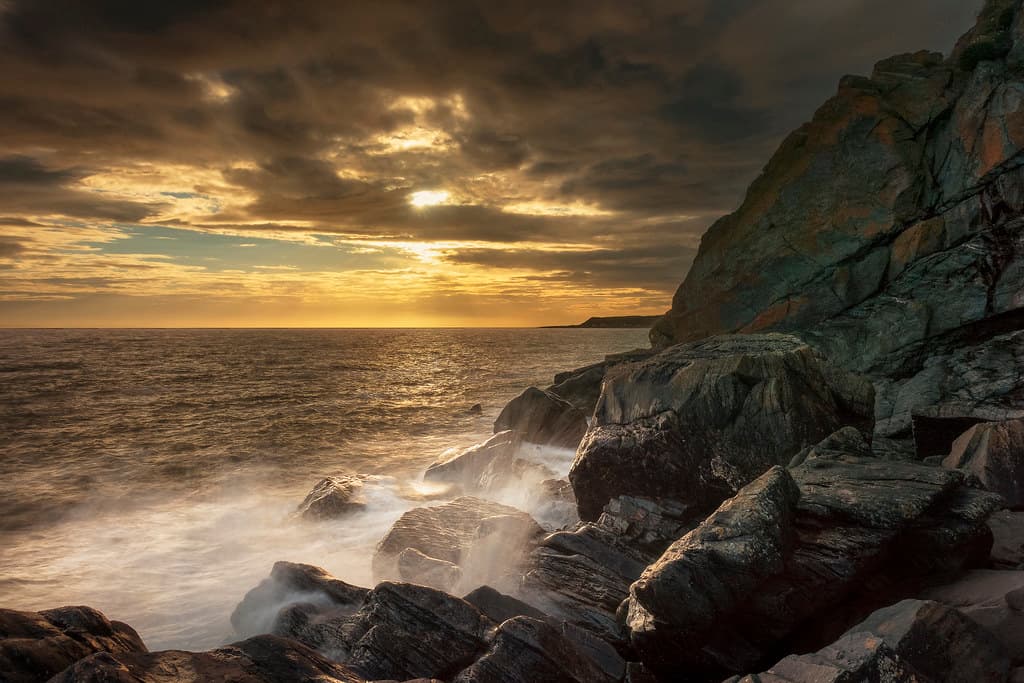
The zodiac cuts its engine fifty meters offshore, and you wade the final steps onto a beach composed entirely of wave-polished andesite pebbles, each one dark as coal and cold to the touch. Collins Harbour Beach stretches along King George Island's less-visited southwestern sector, where research stations dot distant ridges but the shoreline remains the domain of wildlife. Terns dive for Antarctic silverfish in the shallows, and if you stand motionless long enough, Weddell seals haul out to regard you with liquid eyes. This is not a beach for sunbathing or swimming—water temperatures hover near freezing year-round, and the wind carries ice particles that sting exposed skin. Instead, you come for the raw theater of a continent untouched by commerce: glaciers that groan as they fracture, skuas defending nesting territories with guttural calls, and the mineral smell of guano mixing with sea spray. The pebbles shift underfoot with each wave, creating a percussive soundtrack that echoes off nearby ice cliffs. Access requires expedition cruise berths that run four to five figures, and landings depend entirely on weather windows that can slam shut without warning. But for those few hours when conditions align, you stand at the bottom of the world on a beach where every element—stone, ice, wind, wildlife—operates on its own terms, indifferent to human schedules or expectations.
Places, rentals, tours and events within walking and driving distance of Collins Harbour Beach.
Photos
Collins Harbour Beach can be safely visited when accompanied by trained expedition guides following Antarctic Treaty protocols. Water temperatures remain lethally cold year-round, making swimming impossible without specialized equipment. The pebble beach can be slippery when wet or icy, requiring proper Antarctic boots and caution when walking. Wildlife including seals may be present and must be observed from regulated distances. Weather can change rapidly, with strong winds and sudden storms possible at any time. All visits must be coordinated through licensed expedition operators who assess conditions and ensure visitor safety throughout shore excursions.
The optimal visiting window for Collins Harbour Beach is during the Antarctic summer from November through March. Peak season runs December through February when temperatures are warmest (reaching just above freezing), daylight extends up to 20 hours, and wildlife is most active. Early season (November) offers pristine snow conditions and nesting birds, while mid-season (January-February) provides the warmest weather and penguin chick sightings. Late season (March) features spectacular autumn light and whale activity. However, access depends entirely on weather conditions and expedition schedules, which can change without notice.
Collins Harbour Beach is accessible exclusively via expedition cruise ship and Zodiac landing. Visitors typically join Antarctic cruises departing from Ushuaia, Argentina, crossing the Drake Passage over approximately two days. King George Island also has several research stations with airstrips, but these are primarily for scientific and logistical operations, not tourism. All tourist access is organized through licensed Antarctic expedition operators who coordinate landings based on weather, sea conditions, and IAATO permit regulations. There is no independent or commercial transport infrastructure, and all visits are guided shore excursions.
Collins Harbour Beach has absolutely no tourist facilities, accommodations, or dining options. All visitors stay aboard expedition cruise ships that serve as floating hotels, providing all meals, lodging, and services. Shore visits are brief excursions, typically lasting one to two hours, with no infrastructure beyond the natural beach environment. While King George Island hosts several international research stations, these are restricted scientific facilities not open to tourists. Your expedition vessel provides all necessary amenities, and staff may occasionally offer hot drinks during landings, but no commercial services exist ashore.
Collins Harbour Beach typically offers opportunities to observe Antarctic seabirds, seals, and occasionally penguins, though specific wildlife varies seasonally and daily. Chinstrap, gentoo, or Adélie penguins may be present depending on nearby colonies. Weddell, leopard, or elephant seals often haul out on pebble beaches throughout King George Island. Seabirds including skuas, petrels, and terns frequent the coastal areas. Offshore, you might spot whales during the summer months. Wildlife sightings are never guaranteed, and all observations must occur from regulated distances per Antarctic Treaty requirements to minimize disturbance.