Counting the waves…
Counting the waves…
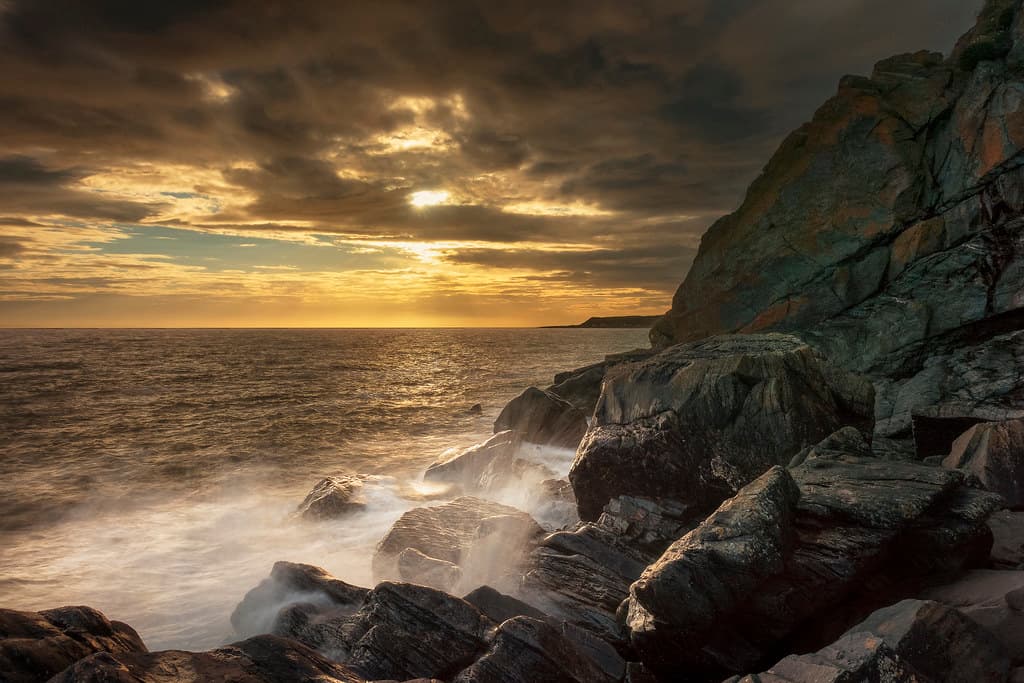
The volcanic cobbles beneath your feet radiate a chill that seeps through triple-layer soles. Fildes Peninsula Beach sprawls along King George Island's ice-free fringe, a rare exposed coastline in a continent where 98 percent lies buried under ice. You share this gray crescent with Adélie penguins waddling between nesting sites and the constant bass rumble of calving glaciers two ridges away. The horizon holds only Drake Passage swells and the skeletal silhouettes of abandoned whaling equipment rusting into the permafrost. Access hinges on expedition schedules and the whims of katabatic winds that sweep down from the interior with little warning. Most visitors arrive via inflatable boat from expedition ships anchored offshore, timing landings between swells that stack three meters high. The beach sits within sight of Frei and Bellingshausen stations—utilitarian clusters of prefab buildings where Chilean and Russian scientists monitor ozone depletion and ice-core records stretching back millennia. You won't linger long; Antarctic Treaty protocols limit shore time, and the sub-zero wind ensures compliance. But in the brief hour you're permitted, the sheer strangeness sinks in: pebbles click underfoot like scattered coins, skuas shriek overhead hunting penguin chicks, and every breath tastes of salt and ancient ice. This is coastline at the edge of habitable earth, where the beach exists only because fire once broke through ice.
Places, rentals, tours and events within walking and driving distance of Fildes Peninsula Beach.
Photos
Swimming at Fildes Peninsula Beach is unsafe and not recommended due to water temperatures near or below freezing, which can cause immediate hypothermia. Antarctic environmental protocols also discourage water contact to protect the fragile ecosystem. Additional hazards include unpredictable weather changes, strong winds, and proximity to aircraft operations from the nearby airfield. Visitors should maintain appropriate distances from the water and follow all safety guidelines provided by expedition leaders during shore excursions.
The best time to visit Fildes Peninsula Beach is during the Antarctic summer from November through March, with optimal conditions typically in December and January. During these months, temperatures are relatively milder, sea ice coverage is reduced, and the nearby research stations are most active. The area's airfield operates primarily during summer months, adding unique interest to visits. Weather can still be challenging, so visits require flexibility and are subject to conditions assessed by expedition leaders.
Fildes Peninsula Beach is accessed through organized Antarctic expedition cruises, typically sailing from Ushuaia, Argentina. Visitors reach the beach via Zodiac boats from anchored cruise ships. The peninsula is notable for hosting Antarctica's main airfield, though tourist access is by sea rather than air. Some specialized expeditions may include fly-cruise options using the airfield. All landings follow Antarctic Treaty protocols and are coordinated by licensed operators based on weather, wildlife, and operational conditions around the research stations.
Fildes Peninsula Beach has no tourist hotels or restaurants. The peninsula hosts the largest concentration of Antarctic research stations, including facilities from Chile, Russia, China, and other nations, but these serve scientific personnel only. All tourists stay aboard their expedition cruise ships, which provide comprehensive meals and lodging. Shore visits are short excursions. The presence of multiple research facilities makes this area scientifically significant, but visitor infrastructure remains ship-based for all practical needs.
Fildes Peninsula Beach is unique for its proximity to Antarctica's most developed infrastructure hub, including the main airfield and the continent's highest concentration of research stations. This creates a rare Antarctic landscape where scientific operations are highly visible. The beach offers views of aircraft operations, station buildings, and intense international research cooperation. The coastal area provides access to diverse wildlife while showcasing humanity's permanent scientific presence in Antarctica, offering insights into both natural and scientific aspects of the continent.