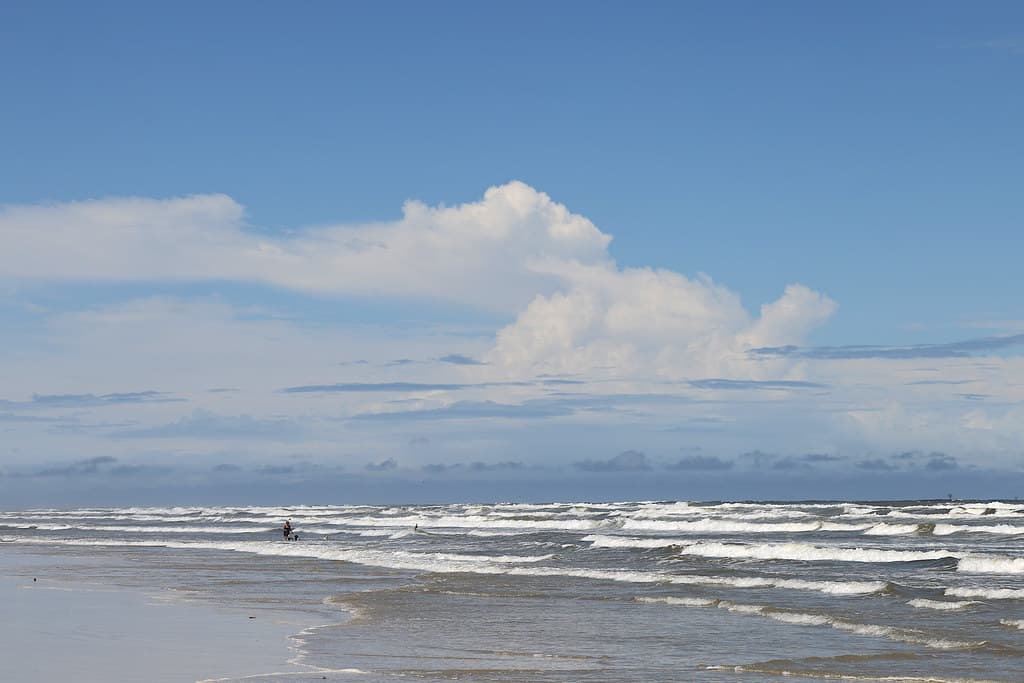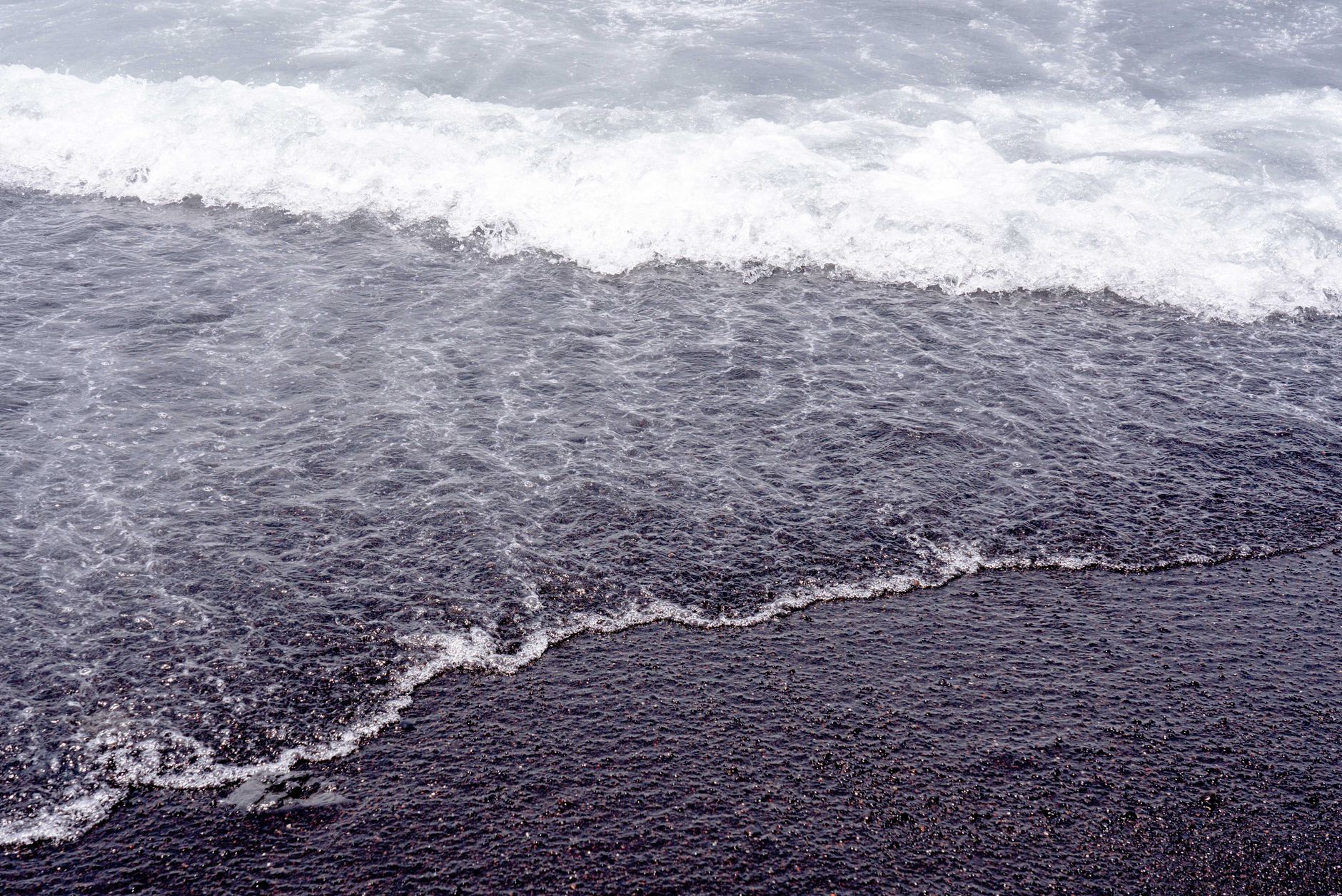
Counting the waves…
Counting the waves…

Walker Bay curves along Livingston Island's northeastern shore, a crescent of gray and black pebbles polished by the Southern Ocean. You reach this beach only by zodiac from expedition ships threading the South Shetlands, landing among elephant seals whose breath mists in sub-zero air. The stones shift beneath your boots—volcanic remnants from eruptions millions of years past, now smoothed into ovals the size of fists. Behind you, ice cliffs crack and groan; ahead, the Drake Passage churns slate-blue. Chinstrap penguins waddle between rookeries and water, their tuxedo markings stark against guano-streaked nesting slopes. Elephant seal bulls, four thousand pounds of blubber and dominance, ignore your presence as they bellow territorial warnings. You smell salt, penguin colonies, and the mineral cold of glacial melt. The beach offers no amenities—no bathrooms, no trails, no cell signal—only the Antarctic Treaty's protected wilderness and the expedition naturalist explaining moss-covered rocks that date to the continent's warmer epochs. Visits last ninety minutes: international protocols limit human impact. You photograph ice formations refracting cobalt light, watch skuas patrol for unguarded eggs, and pocket no souvenirs—taking anything violates Antarctic conservation law. When the zodiac horn sounds recall, you leave bootprints the next tide will erase, carrying only the weight of standing where ice, ocean, and ancient stone converge in one of Earth's least-touched places.
Places, rentals, tours and events within walking and driving distance of Walker Bay Beach.
Photos
Swimming at Walker Bay Beach is extremely dangerous and not recommended under any circumstances. Antarctic waters maintain temperatures between -2°C and 2°C year-round, causing rapid hypothermia and cold water shock within minutes of immersion. The beach serves as a wildlife observation and expedition landing site, not a recreational swimming area. Wildlife including potentially aggressive leopard seals and territorial fur seals may be present, posing additional risks. All shore visits require accompanied access with trained expedition guides who enforce safety protocols and Antarctic Treaty regulations. Focus should remain on wildlife observation and geological exploration from shore.
Walker Bay Beach is best visited during the Antarctic summer season from November through March, when expedition cruises operate to the South Shetland Islands. The peak months of December through February offer the most favorable conditions, with temperatures reaching just above freezing, up to 20 hours of daylight, and relatively calmer seas. November provides opportunities to see nesting seabirds and pristine snow coverage, while January and February feature active penguin colonies with chicks. March offers excellent whale watching opportunities and dramatic lighting. However, all Antarctic weather remains highly unpredictable, and landing opportunities depend on daily conditions.
Walker Bay Beach is accessible exclusively through expedition cruise ships operating Antarctic Peninsula itineraries, with landings made via Zodiac inflatable boats. Most expeditions depart from Ushuaia, Argentina, requiring approximately two days to cross the Drake Passage to reach the South Shetland Islands. Livingston Island has no tourist infrastructure, airports, or independent access options. All visits are organized through IAATO-licensed expedition operators who coordinate landings based on weather conditions, sea state, and permit regulations. Shore excursions are guided experiences lasting one to two hours, with all logistics managed by the expedition team.
There are no accommodations, restaurants, or any facilities whatsoever at or near Walker Bay Beach. This is a remote, uninhabited Antarctic location with no infrastructure. All visitors stay aboard their expedition cruise ships, which serve as floating hotels providing all meals, lodging, and amenities. Shore visits are temporary excursions only, typically lasting one to three hours. While Livingston Island hosts some research stations, these are restricted scientific facilities not accessible to tourists. Your expedition vessel provides complete support services throughout your Antarctic journey, with all food, accommodation, and logistics managed onboard.
Walker Bay Beach offers opportunities to observe diverse Antarctic wildlife including penguin colonies (typically chinstrap, gentoo, or Adélie species depending on location and season), seals hauled out on the pebble beach, and various seabirds. The bay's geological features include glacial formations, exposed rock outcrops revealing Antarctic geology, and often dramatic ice formations and icebergs. The remote location means wildlife is relatively undisturbed, though all observations must follow strict distance guidelines. Specific wildlife sightings vary daily and seasonally, and nothing is guaranteed. The combination of active glaciers, wildlife colonies, and pristine wilderness creates compelling expedition experiences.