Counting the waves…
Counting the waves…
A refined fusion of water purity, environmental stability, and communal vibrancy for Berthas Beach.
View MethodologyAnalyzed via live sensors and environmental data.
Wave height, wind, and atmospheric stability.
Live footfall and crowd balance metrics.
Community reviews and curated sentiment.
“You'll smell the salt and guano before you crest the dune and see them: hundreds of penguins commuting between burrows and breaking waves. The wind tugs at your jacket as you navigate boardwalks that protect nesting…”
Limited recent visitor reports — live OBI telemetry is your best guide for current conditions.
Berthas Beach sprawls along East Falkland's northern edge, a three-mile arc of fine white sand backed by marram-grass dunes that hiss in the perpetual wind. The beach belongs as much to the wildlife as to any human visitor—Magellanic penguins nest in burrows scooped into the dunes, their braying calls carrying over the roar of the South Atlantic. You'll walk wooden boardwalks installed to keep boots away from fragile nesting sites, watching black-and-white bodies torpedo through the surf or stand sentry at burrow entrances, their heads swiveling to track your passage.
The emptiness is profound. No vendors, no umbrellas, no lifeguard towers—just sand ribbed by wind, kelp wrack at the tide line, and the occasional upland goose grazing near the dune crest. The light changes hourly: pewter mornings, brief noon brilliance, late afternoons when the sun angles low and sets the sand ablaze. You'll zip your windbreaker tight even in December, the austral summer, as gusts funnel up from Antarctica.
 Credit: Unsplash
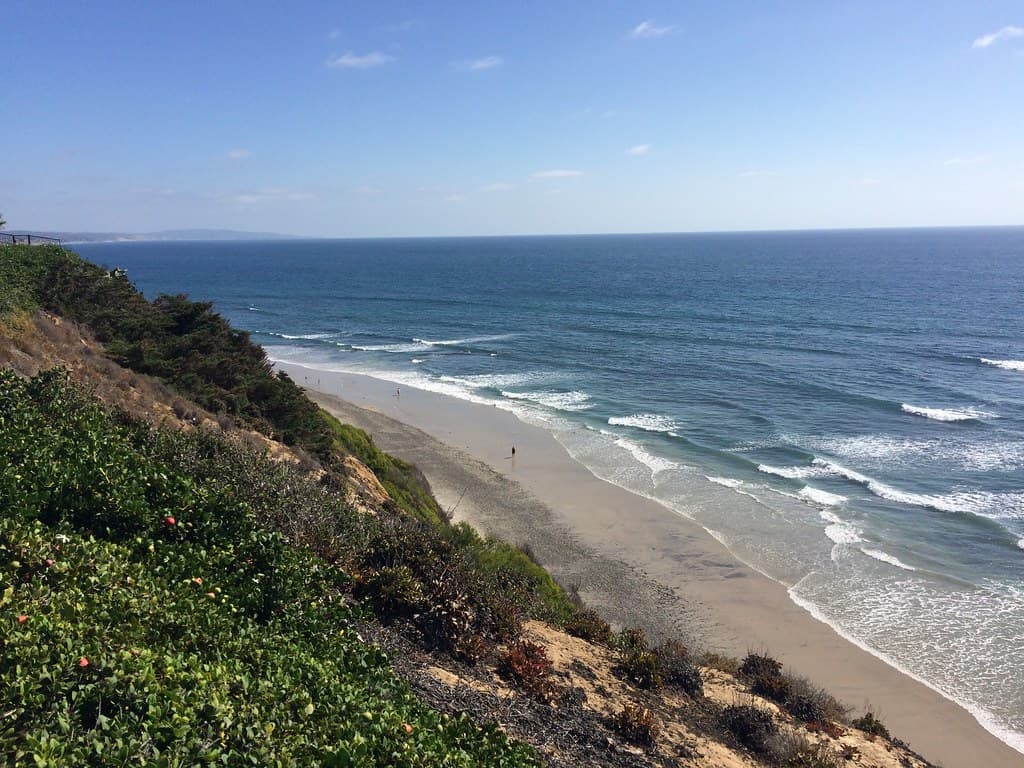
a sandy beach with a body of water in the background
 Credit: Unsplash
sea waves crashing on shore during daytime
Nesting burrows from safe distance
Marram grass and coastal views
Upland geese, kelp gulls, skuas
Prime Visitation
Best Weather | Less Crowds
Where it is
Berthas Beach
Mount Pleasant, Antártida e Islas del Atlántico Sur, Argentina
-51.992700°, -58.051900°
Weather
Loading…
Swell
—
Temp
Warm · Restorative
UV Index
Moderate
Wind
—
Tidal State
Last known
Max Sunlight
—
Ideal Shade
—
Jan - Dec (Peak)
Mar - Nov (Off-season)
Best Weather | Less Crowds
Select a category to load nearby places.
Unlock restaurants, luxury stays and curated maritime experiences within 2km
Swimming at Berthas Beach is not recommended due to very cold water temperatures throughout the year, typically ranging from 2-8°C. Strong currents and unpredictable South Atlantic weather conditions add additional safety concerns. The beach is primarily valued as a wildlife viewing and nature reserve area rather than a swimming destination. Visitors should stay on shore and focus on the exceptional wildlife observation opportunities. Always respect marked conservation areas and maintain safe distances from marine wildlife.
The best time to visit Berthas Beach is during the Falklands summer from November to March, when weather is milder and wildlife activity peaks. December through February offers optimal conditions for penguin viewing as colonies are active with breeding and chick-rearing. These months provide longer daylight hours and relatively warmer temperatures, though layers are always essential. Visiting during weekdays or early in the season helps avoid the modest crowds that this popular nature reserve attracts during peak summer.
Berthas Beach is located near Mount Pleasant military complex, approximately 50 kilometers from Stanley. Access typically requires a private vehicle or organized tour, as public transportation is limited. The journey from Stanley takes about 45-60 minutes by car on gravel roads. Some tour operators offer guided wildlife excursions that include transportation and interpretation. Access may be subject to certain restrictions due to the nearby military installation, so checking current access arrangements before planning your visit is advisable.
Berthas Beach is a protected nature reserve with no commercial facilities, restaurants, or accommodation on-site. It's a wilderness area designed to protect wildlife and natural habitats. Visitors must bring all necessary supplies, including food, water, and appropriate clothing for changing weather. The nearest accommodation and dining options are in Stanley, approximately 50 kilometers away. Most visitors make this a day trip from Stanley-based lodging. Pack out all rubbish and respect the protected status of the area.
Berthas Beach is renowned as one of the Falklands' premier wildlife destinations, featuring important penguin colonies including Gentoo and Magellanic species. The extensive white-sand beach is backed by impressive coastal dunes and grassland habitats. Marine mammals such as seals and sea lions frequently haul out on the beaches. The nature reserve status protects diverse seabird populations and unique coastal ecosystems. The combination of expansive open sand, dune systems, and accessible wildlife viewing creates exceptional opportunities for nature photography and observation in pristine surroundings.
Photos