Counting the waves…
Counting the waves…
A refined fusion of water purity, environmental stability, and communal vibrancy for Petermann Island Beach.
View MethodologyAnalyzed via live sensors and environmental data.
Wave height, wind, and atmospheric stability.
Live footfall and crowd balance metrics.
Community reviews and curated sentiment.
“You'll crunch across basalt stones polished by ice melt, the air sharp with guano and brine, while elephant seals lumber past your Zodiac. This is the Antarctic Peninsula at its most raw—no lifeguards, no boardwalks,…”
Limited recent visitor reports — live OBI telemetry is your best guide for current conditions.
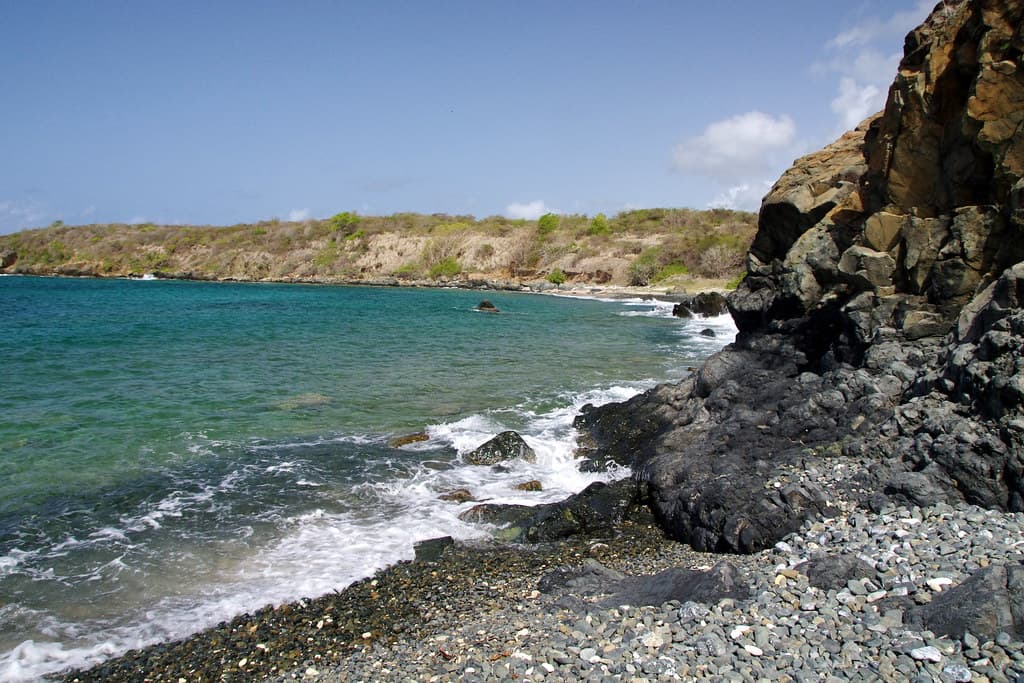
Your boots meet dark pebbles still wet from the last tide, each stone smoothed by millennia of glacial pressure and Southern Ocean surges. The beach stretches barely two hundred meters, hemmed by snowfields on one side and the Penola Strait on the other. Adélie penguins waddle past your ankles, entirely unbothered, their tuxedo backs slick with seawater from their latest krill hunt.
The shoreline shifts with each season—summer melt exposes more rock, winter pack ice reclaims the strand entirely. You'll notice elephant seals hauled out on the upper beach, their bulk rising and falling in slow, humid breaths that fog the subzero air. Behind you, the island's modest summit offers a scramble through moss and lichen, the only vegetation brave enough to root here. From that vantage, icebergs drift south like white cathedrals, their blue hearts glowing in the endless daylight.
 Credit: Unsplash
a sandy beach with a body of water in the background
 Credit: Unsplash
sea waves crashing on shore during daytime
Close-range chicks and mating displays
360° iceberg and glacier panoramas
Haul-out behavior on upper beach
Prime Visitation
Best Weather | Less Crowds
Where it is
Petermann Island Beach
Petermann Island, Antártida e Islas del Atlántico Sur, Argentina
-65.174800°, -64.140800°
Weather
Loading…
Swell
—
Temp
Warm · Restorative
UV Index
Moderate
Wind
—
Tidal State
Last known
Max Sunlight
—
Ideal Shade
—
Jan - Dec (Peak)
Mar - Nov (Off-season)
Best Weather | Less Crowds
Select a category to load nearby places.
Unlock restaurants, luxury stays and curated maritime experiences within 2km
Swimming at Petermann Island Beach is not safe for general recreation due to Antarctic water temperatures near freezing, which cause rapid hypothermia. Some expedition cruises offer supervised polar plunge activities with immediate medical support and warming facilities, but these are brief, controlled experiences. The beach is primarily used for wildlife observation, particularly penguin colonies, and scenic photography. Visitors must wear appropriate cold-weather gear including waterproof boots for wet landings. All activities follow strict Antarctic Treaty guidelines and expedition safety protocols under staff supervision.
The optimal visiting period for Petermann Island Beach is November through March during the Antarctic summer. December to February offers peak conditions with temperatures around 0-2°C, extended daylight hours (up to 20), and active gentoo and Adélie penguin breeding activity. November features courting penguins and dramatic ice conditions. January-February is ideal for observing penguin chicks. March provides fewer crowds but some wildlife begins dispersing. Landings are weather-dependent year-round, with conditions assessed daily based on sea ice, wind, and visibility in the Lemaire Channel region.
Petermann Island Beach is accessible exclusively via expedition cruise ships operating Antarctic Peninsula itineraries. Most cruises depart from Ushuaia, Argentina, with a two-day Drake Passage crossing. The island is located south of the scenic Lemaire Channel, often included in classic Antarctic routes. Passengers transfer from ship to Zodiac boats for beach landings. Petermann Island is one of the southernmost commonly visited landing sites. There are no airports, docks, or independent access options. All landings require Antarctic Treaty permits managed by licensed tour operators.
Petermann Island Beach has no facilities, accommodation, or infrastructure of any kind. It is a protected Antarctic wilderness area with no permanent human habitation. All visitors stay aboard their expedition cruise ship, which provides all accommodation, dining, and amenities. There is a small historic refuge hut on the island, but it's not used for tourist accommodation. Ships offer varying comfort levels but all include full board. Some expeditions offer optional camping experiences on Antarctic ice, fully supported by ship facilities. Environmental protocols require all waste removal.
Petermann Island Beach offers exceptional wildlife viewing, particularly for both gentoo and Adélie penguin colonies, making it one of the few locations where both species coexist. The island supports significant breeding populations observable during landings. Blue-eyed shags nest on rocky areas above the beach. Weddell and leopard seals frequently haul out on the shore or nearby ice. Surrounding waters attract humpback and minke whales. The island's position south of Lemaire Channel creates rich feeding grounds. Antarctic Treaty regulations require maintaining 5-meter distances from all wildlife.
Photos