Counting the waves…
Counting the waves…
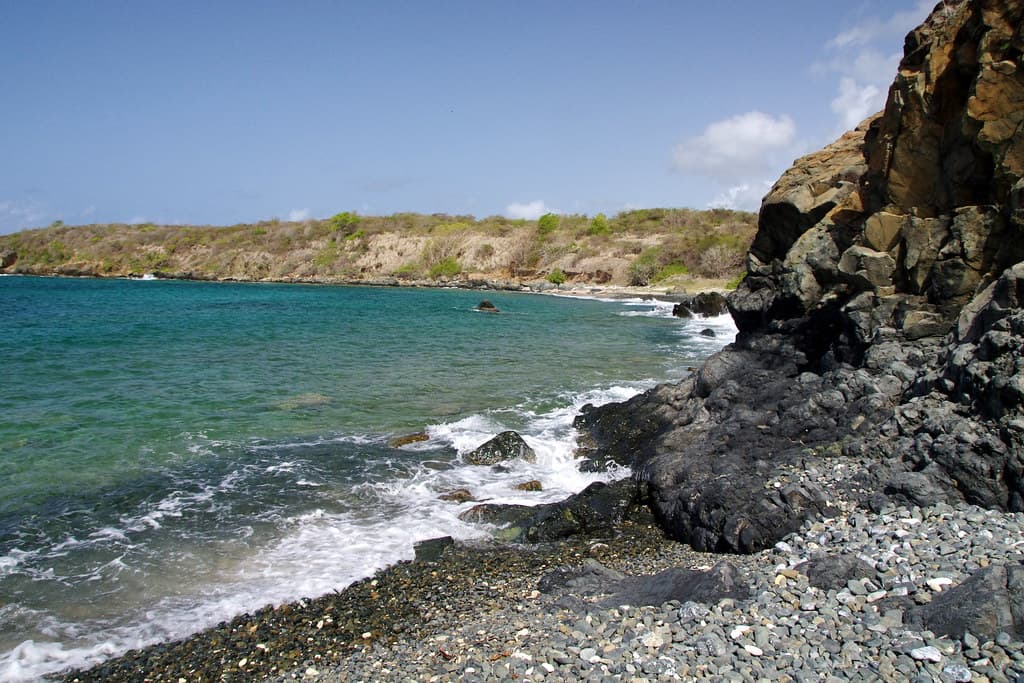
The Yalour Islands rise from the Penola Strait like a handful of gray pebbles tossed into indigo water. Your boots crunch over rounded cobbles worn smooth by millennia of ice and tide, each step announced by the rattle of stone on stone. Zodiac pilots beach their inflatable craft on narrow gravel tongues between ice-scoured bedrock, timing their approach to the swell that rolls in from the Gerlache Strait. Penguin colonies occupy every flat expanse, their nests simple scrapes ringed with pebbles stolen from neighbors. You navigate a maze of footpaths worn bare by webbed feet, the ammonia tang of guano sharp in the cold air. Weddell seals lounge on ice floes just offshore, their bulk shifting as they track your movement with dark, unbothered eyes. The island's interior rises to lichen-spotted outcrops that frame views across the strait to the Peninsula's serrated peaks. Visits last ninety minutes—expedition guidelines limit both time and proximity to nesting birds. The wind carries the penguin colony's constant chatter: brays, squawks, the patter of feet on stone. When you return to the beach, your Zodiac waits among a fleet of black inflatables, their pilots scanning the water for leopard seals. The crossing back to your ship takes fifteen minutes, the islands shrinking into the immense white silence.
Places, rentals, tours and events within walking and driving distance of Yalour Islands Beach.
Photos
Swimming is not recommended at Yalour Islands Beach. Antarctic waters average 0-2°C and pose extreme hypothermia risk within minutes. The beach is used exclusively for zodiac landings during expedition cruises. Wildlife viewing requires maintaining safe distances from seals and penguins. Weather can change rapidly, creating dangerous conditions. All visitors must follow IAATO guidelines and remain with their expedition guide at all times for safety.
The Antarctic travel season runs from November to March, with December through February offering the best conditions for visiting Yalour Islands. During these months, temperatures are warmest (around 0-2°C), there's more daylight, and wildlife is most active. November sees courting penguins, while January-February offers warmer weather and whale sightings. March brings fewer crowds but colder conditions. Weather remains unpredictable regardless of timing.
Access to Yalour Islands Beach is only possible via expedition cruise ship and zodiac landing. Most visitors depart from Ushuaia, Argentina, on multi-day Antarctic Peninsula cruises. The journey involves crossing the Drake Passage (2 days each way). Only authorized expedition operators with permits can land here. There are no airports, harbors, or independent access options. Landings depend entirely on weather and ice conditions.
There are no restaurants, hotels, or any commercial facilities at Yalour Islands Beach or anywhere in Antarctica. All accommodation and meals are provided aboard your expedition cruise ship. There are no permanent settlements in this area. Visitors spend typically 1-2 hours ashore during landings before returning to the vessel. All supplies, including food and lodging, must be brought on your ship.
Yalour Islands Beach is a prime landing site for observing Adélie and gentoo penguin colonies up close. The islands' location along the western Antarctic Peninsula makes them ideal for spotting seals hauled out on the pebble shores. The sheltered waters attract whales, particularly minke and humpback species. The relatively accessible landing sites allow visitors closer wildlife encounters than many Antarctic locations, though strict distance protocols apply.