Counting the waves…
Counting the waves…

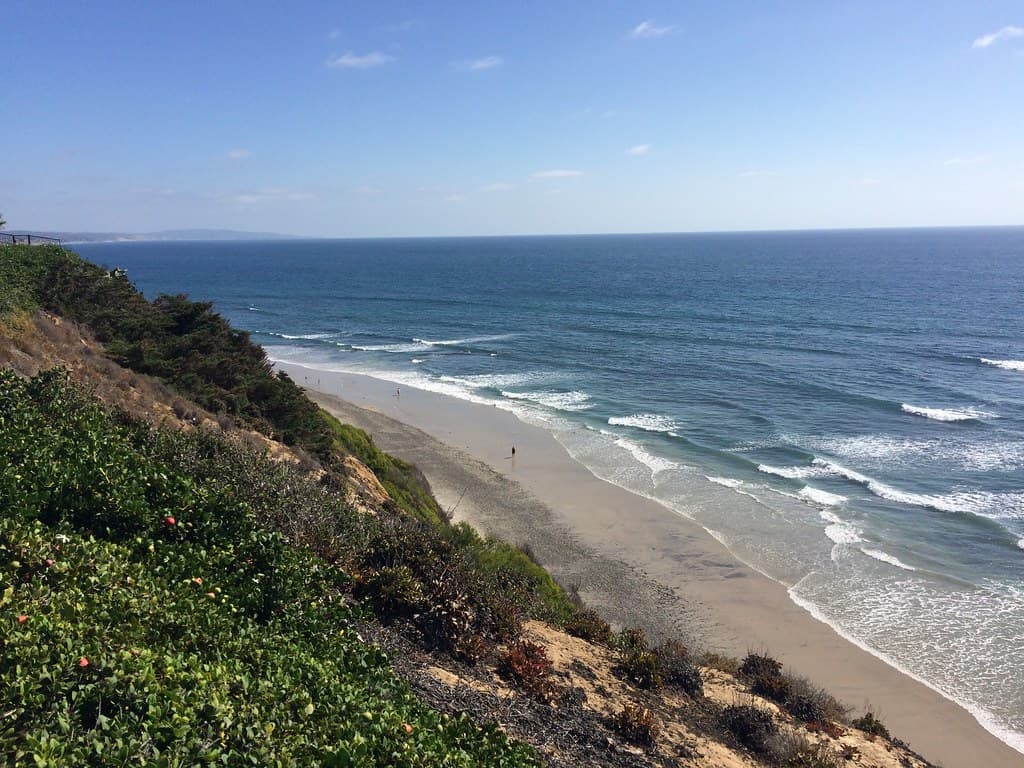
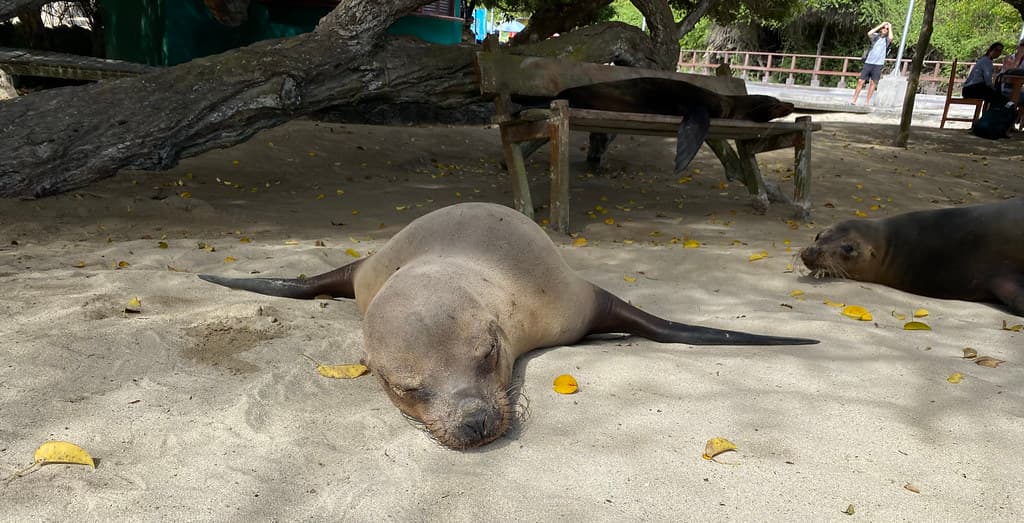
Sea Lion Island sits seventeen miles south of East Falkland, a wind-scoured sliver of peat bog and beach where the human population hovers near single digits and the wildlife census runs into tens of thousands. You'll walk beaches strewn with kelp ribbons and bleached clamshells, the sand alternating between blonde stretches and dark volcanic patches, while southern giant petrels wheel overhead and the smell of guano mingles with salt spray. The shoreline belongs to elephant seals in spring—bulls the size of sedans sparring in the shallows, their guttural roars audible from the island's single lodge. Gentoo and Magellanic penguins nest in the tussac, their braying calls a constant soundtrack, while rockhopper colonies claim the western cliffs. October through March, orcas hunt close enough to shore that you'll see dorsal fins slicing through the kelp beds, sometimes within twenty yards of the tideline. You'll stay at the island's lone accommodation, a refurbished farm lodge with eight rooms and meals served family-style, where the after-dinner conversation revolves around the day's sightings. Boardwalks traverse the boggy interior to minimize disturbance, and the beaches remain free of barriers—just you, the seabirds, and the Southern Ocean's unrelenting wind.
Places, rentals, tours and events within walking and driving distance of Sea Lion Island Beach.
Photos
Swimming at Sea Lion Island Beach is strongly discouraged due to extremely cold water temperatures, powerful currents, and the presence of sea lions and seals that can be unpredictable. The primary attraction here is wildlife observation, not water recreation. Water temperatures remain dangerously cold year-round, and the remote island location means emergency medical assistance would be significantly delayed. Visitors should maintain safe distances from marine mammals, which can become aggressive if they feel threatened. The beach is best enjoyed for walking, wildlife photography, and observing the remarkable fauna from respectful distances.
The optimal time to visit Sea Lion Island Beach is during October through March, coinciding with the Falklands summer and peak wildlife breeding seasons. November through January offers especially spectacular wildlife viewing with elephant seals, sea lions, and various penguin species actively breeding and raising young. These months also provide the most favourable weather conditions and longest daylight hours. Visiting requires advance planning as the island's lodge has limited capacity and fills quickly during peak season. Wildlife is present year-round, but summer offers the most dramatic concentration and activity.
Reaching Sea Lion Island requires flying from Stanley on small aircraft operated by the Falkland Islands Government Air Service (FIGAS). Flights must be booked in advance and are weather-dependent, so schedules can change with little notice. The flight takes approximately 30 minutes and offers stunning aerial views. Most visitors arrange travel as part of a package with the Sea Lion Lodge, the island's only accommodation. Day trips are theoretically possible but impractical due to flight schedules and limited daily availability. Always book well ahead during peak season as space is extremely limited on both flights and at the lodge.
Sea Lion Island has one accommodation option: the Sea Lion Lodge, a comfortable but basic facility offering full board with all meals included. The lodge provides simple, warm rooms and serves home-cooked meals featuring local ingredients. Reservations are essential and should be made months in advance for peak season. The lodge offers the only dining on the island, with meals served communally. There are no shops, restaurants, or alternative accommodations. Visitors stay at the lodge or don't stay on the island. The package approach simplifies logistics but requires advance planning and booking through the lodge operators.
Sea Lion Island Beach offers world-class wildlife viewing rarely matched elsewhere in the Falklands. The island hosts massive breeding colonies of southern elephant seals and sea lions, easily observed from safe distances along the beaches. Multiple penguin species including Gentoo, Magellanic, and sometimes Rockhopper breed on the island. It's one of the best places in the Falklands to see orcas (killer whales) hunting seals near shore, particularly during summer months. Abundant birdlife includes giant petrels and various albatross species. The concentration and variety of accessible wildlife in such a compact area makes this beach destination truly exceptional for nature enthusiasts.