Counting the waves…
Counting the waves…
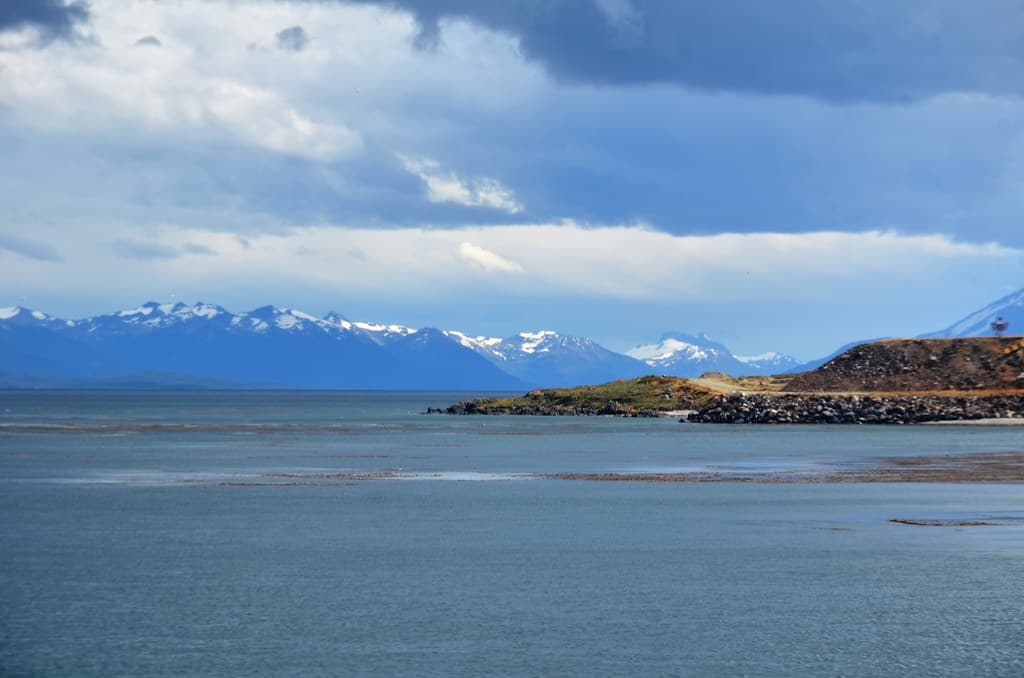
Cape Well-met Beach stretches along the eastern Antarctic Peninsula where the Weddell Sea meets land in a collision of stone and ice. You navigate the pebble shore carefully, each rounded rock clinking underfoot, polished smooth by the relentless grind of pack ice that retreats here only during the brief austral summer. The beach curves beneath ochre sedimentary cliffs—part of the Seymour Island formation—where paleontologists have unearthed fossilized remnants of Eocene forests that thrived here fifty million years ago, when this frozen continent was green. The water before you is slate-gray, opaque with glacial flour, and so cold that exposed skin numbs within seconds. Leopard seals haul out on the larger stones, their spotted pelts glistening, while Adélie penguins porpoise through the shallows. The wind funnels down from the polar plateau with enough force to lean into, carrying the mineral scent of ancient ice and the faint brine of the Southern Ocean. No trees, no grass—only lichen-crusted boulders and the occasional skua wheeling overhead. You arrive here aboard expedition ships that navigate the notoriously fickle Weddell Sea ice, their schedules dictated entirely by conditions. There are no facilities, no trails, no human infrastructure whatsoever. You stand at the bottom of the world, surrounded by a landscape that has barely changed since the last humans left—or perhaps since humans first arrived. The horizon holds only ice, water, and the curved edge of the planet.
Places, rentals, tours and events within walking and driving distance of Cape Well-met Beach.
Photos
Swimming at Cape Well-met Beach is not recommended and extremely dangerous. The Weddell Sea has frigid Antarctic waters with temperatures consistently below freezing, which can cause rapid hypothermia within minutes. The area experiences strong currents, unpredictable ice conditions, and potential wildlife hazards including leopard seals. This is a remote observation site rather than a recreational beach. Visitors should maintain a safe distance from the water's edge and never enter the sea without specialized polar survival equipment and expert supervision.
The Antarctic summer months from November to March offer the only realistic visiting window for Cape Well-met Beach, with December and January providing the most favorable conditions. During this period, you'll experience nearly 24-hour daylight and slightly milder temperatures (still well below freezing). Weather remains highly unpredictable year-round with potential for sudden storms, high winds, and ice conditions. The austral summer also sees less extensive sea ice, making boat access more feasible, though conditions vary significantly year to year.
Cape Well-met Beach is accessible only by specialized expedition boat or ship as part of an organized Antarctic cruise or research expedition. There are no roads, airports, or regular transport services to this extremely remote location near Seymour Island in the Weddell Sea. Access requires traveling from ports in southern Argentina (typically Ushuaia), crossing the Drake Passage, and navigating through ice-filled waters. Most visitors reach the area aboard expedition vessels equipped for polar conditions. Parking is not applicable to this location.
There are no restaurants, hotels, shops, or permanent facilities at or near Cape Well-met Beach. This is one of Antarctica's most remote and uninhabited areas. Visitors stay aboard their expedition ships, which provide all accommodation, meals, and amenities. No commercial infrastructure exists in the region. Some scientific research stations operate seasonally in the broader Antarctic Peninsula area, but these are not tourist facilities. All supplies, food, and shelter must be brought by ship or aircraft as part of organized expeditions.
The Seymour Island area, near Cape Well-met Beach, is renowned for significant paleontological discoveries and fossil deposits dating back millions of years. However, all fossils in Antarctica are strictly protected under the Antarctic Treaty System, and collecting them is prohibited without proper scientific permits. Visitors may observe geological formations from designated viewing areas under expert guidance during expedition landings. The region has yielded important marine reptile and bird fossils. Any fossil viewing must comply with strict environmental protocols managed by expedition leaders.