Counting the waves…
Counting the waves…

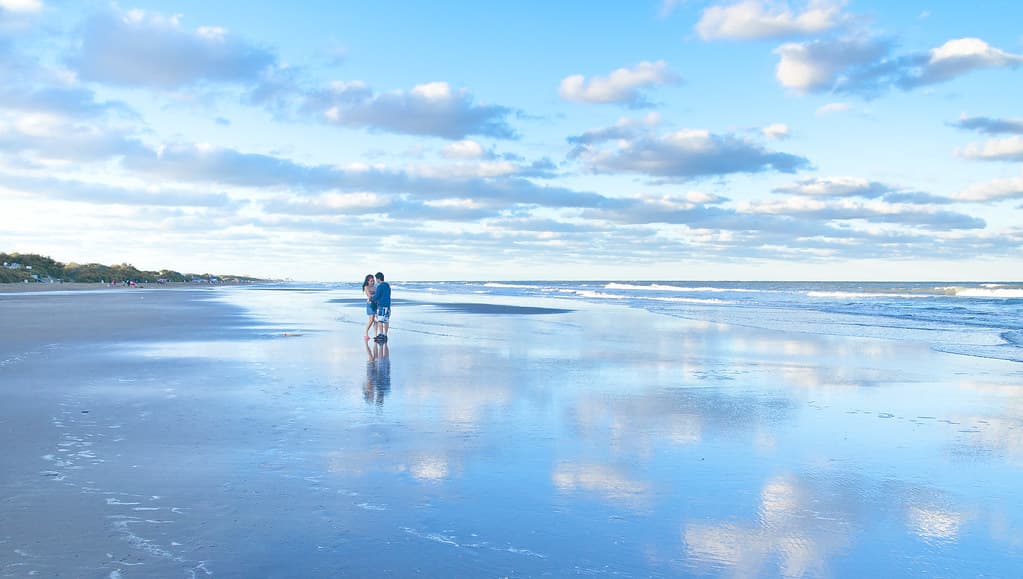
Aguas Verdes sits tucked along the Costa del Tuyú, a slender finger of Buenos Aires Province where the Atlantic meets farmland and forest. The beach itself unfolds in wide, beige ribbons interrupted by low dunes and stands of wind-bent pines that provide natural shade—a rarity along this coast. You won't find high-rise hotels or jet-ski rental kiosks here. Instead, modest vacation homes peek through the greenery, and the only soundtrack is the rhythmic collapse of small, rolling waves. The town operates on a gentler clock than its southern neighbors. Mornings are for walks along the firm, wet sand, dodging kelp tangles and the occasional fisherman casting into the surf. By midday, families spread blankets beneath the pines, grilling meat on portable parrillas while children dig moats and canals. The water temperature hovers around a bracing 18°C even in summer, but locals wade in without hesitation, gasping and laughing. Come late afternoon, the light turns honeyed, filtering through the pine canopy in slanted columns. You can stroll for kilometers in either direction, encountering more dogs than people, more driftwood than development. There are no beach bars serving overpriced caipirinhas, no banana boats carving wakes. Just sand, sea, and the persistent whisper of wind through needle-heavy branches—the Atlantic coast as it was before the crowds discovered it.
Places, rentals, tours and events within walking and driving distance of Playa Aguas Verdes.
Photos
Playa Aguas Verdes generally offers calm Atlantic waters suitable for families, though conditions vary with weather and season. The beach's peaceful atmosphere attracts families seeking quieter spots. Always supervise children near water, check daily conditions with locals or lifeguards if present, and be aware that Argentine beaches may have limited lifeguard coverage outside peak summer months (January-February). The gentle slope typical of La Costa beaches makes it accessible for younger swimmers, but ocean currents can strengthen during windy periods.
The optimal visiting window is November through March for warm weather and swimming conditions, with January and February being peak summer months. For fewer crowds while maintaining pleasant weather, consider visiting in November, early December, or March when temperatures remain comfortable but Argentine vacation crowds diminish. Winter months (June-August) offer solitude and wooded charm but cold temperatures unsuitable for swimming. Spring (September-November) brings mild weather ideal for beach walks and exploring the natural surroundings without intense heat.
Playa Aguas Verdes is approximately 350 kilometers from Buenos Aires, reachable by car via Route 2 and then Route 11 along the coast in roughly 4-5 hours. Long-distance buses operated by companies like Costera Criolla or Rápido del Sud run from Buenos Aires to nearby towns along La Costa del Tuyú, though direct service may be limited; you might need to reach San Clemente del Tuyú or San Bernardo first, then take local transport. Car rental offers the most flexibility for exploring this quieter beach area.
As a small, low-key beach town, Aguas Verdes offers limited but sufficient options focused on simple family lodging. Expect modest hotels, cabañas (beach cabins), and rental apartments rather than large resorts. Dining typically features casual beachfront parrillas (grill restaurants), pizzerias, and simple cafés serving Argentine coastal staples. For wider selection, nearby San Bernardo or San Clemente del Tuyú provide more restaurants and shopping. The town's appeal lies in its simplicity and slower pace rather than abundant amenities.
Playa Aguas Verdes stands out for its wooded setting and uncommercial atmosphere, offering more natural surroundings than heavily developed neighbors. The beach town retains a village character with tree-lined streets creating shade uncommon at other coastal resorts. This peaceful environment attracts visitors seeking escape from busier destinations like Pinamar or Mar del Plata. The slower pace, limited nightlife, and emphasis on nature make it ideal for families and couples prioritizing tranquility over entertainment. Its understated charm represents traditional Argentine coastal living.