
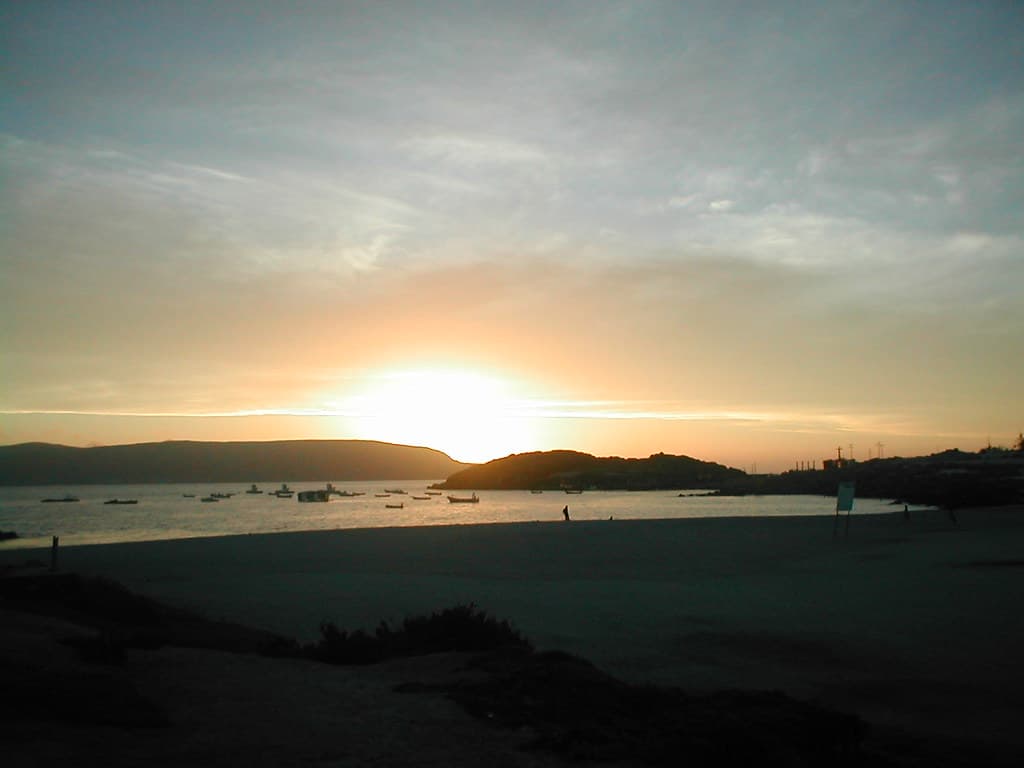
The road to Playa La Caldera dissolves into packed earth somewhere after Carmen de Patagones, and the last 40 kilometers feel like crossing into a frontier that refuses to acknowledge the 21st century. You'll see more guanacos than people here, their silhouettes breaking the horizon line where pampa meets ocean. The beach itself unfurls in a wide arc, its sand the color of raw honey, littered with bleached driftwood and the occasional whale vertebra—reminders that you're standing at the threshold of Patagonia proper.
“The northernmost beach where Patagonian wilderness genuinely begins, untouched by coastal development that defines beaches farther north.”
 Credit: Flickr
Playa La Virgen
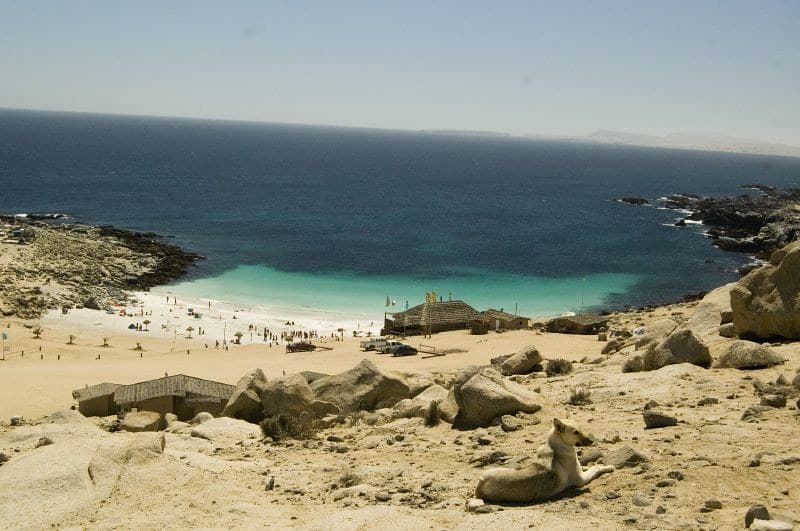
The Atlantic arrives in long, rhythmic sets, foam hissing across tide pools where hermit crabs scuttle between volcanic rock fragments. Seabirds wheel overhead—cormorants, gulls, the occasional skua—their cries swallowed by wind that never quite stops. There are no beach umbrellas here, no vendors hawking choripán, just the elemental meeting of land and sea that defined this coast long before anyone thought to name it.
You'll want to time your visit for late afternoon, when the declining sun paints the water bronze and the temperature drops just enough to make the wind bearable. Bring everything you need—water, food, layers—because services are scarce and the nearest provisions are back in San Blas proper. The isolation is the point: this is Argentina's coast stripped to its essentials, raw and unfiltered.


