Counting the waves…
Counting the waves…

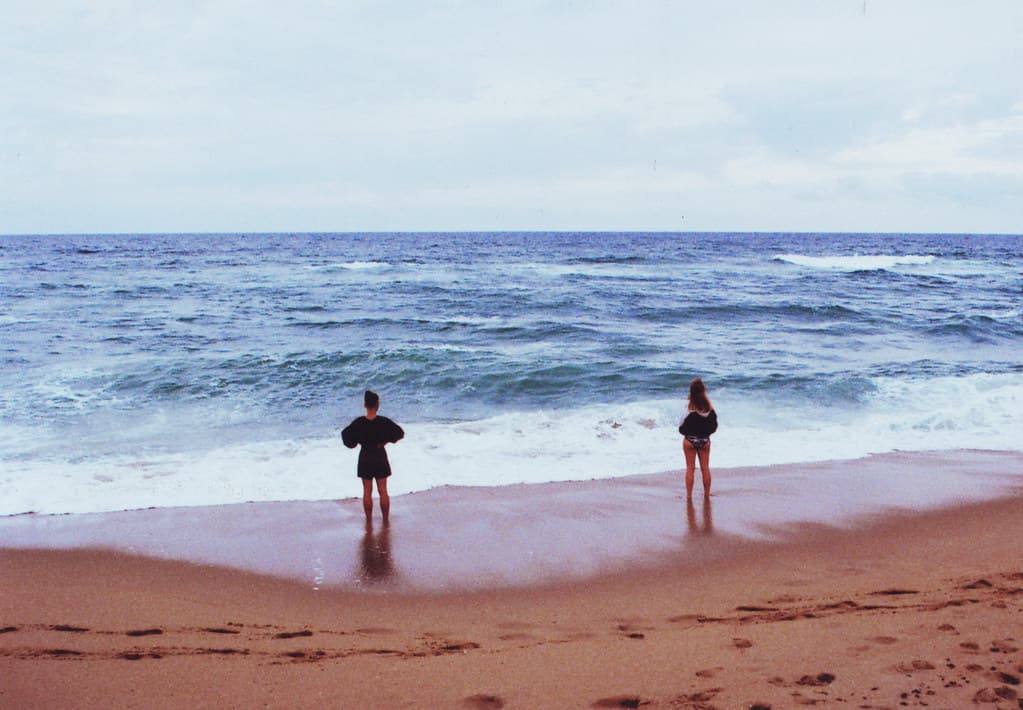
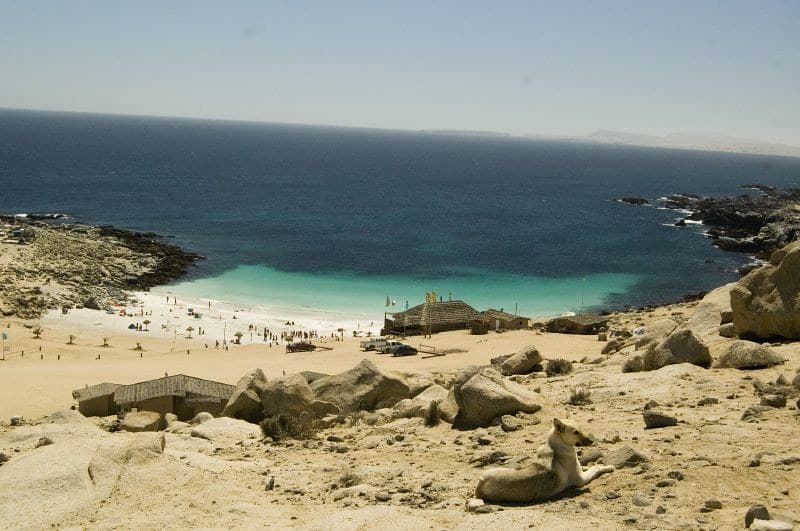
The road to Playa La Caldera dissolves into packed earth somewhere after Carmen de Patagones, and the last 40 kilometers feel like crossing into a frontier that refuses to acknowledge the 21st century. You'll see more guanacos than people here, their silhouettes breaking the horizon line where pampa meets ocean. The beach itself unfurls in a wide arc, its sand the color of raw honey, littered with bleached driftwood and the occasional whale vertebra—reminders that you're standing at the threshold of Patagonia proper. The Atlantic arrives in long, rhythmic sets, foam hissing across tide pools where hermit crabs scuttle between volcanic rock fragments. Seabirds wheel overhead—cormorants, gulls, the occasional skua—their cries swallowed by wind that never quite stops. There are no beach umbrellas here, no vendors hawking choripán, just the elemental meeting of land and sea that defined this coast long before anyone thought to name it. You'll want to time your visit for late afternoon, when the declining sun paints the water bronze and the temperature drops just enough to make the wind bearable. Bring everything you need—water, food, layers—because services are scarce and the nearest provisions are back in San Blas proper. The isolation is the point: this is Argentina's coast stripped to its essentials, raw and unfiltered.
Places, rentals, tours and events within walking and driving distance of Playa La Caldera.
Photos
Swimming at Playa La Caldera should be approached with caution, as this is a remote beach without lifeguard services or rescue facilities. Water conditions vary with weather, tides, and wind patterns common to the southern Buenos Aires coast. The sandy beach generally has a gradual slope, but currents can be unpredictable. Always assess conditions before entering the water, avoid swimming alone, and be mindful of changing tides. If you're unfamiliar with ocean swimming or the area, it's best to wade or enjoy the beach without going into deep water.
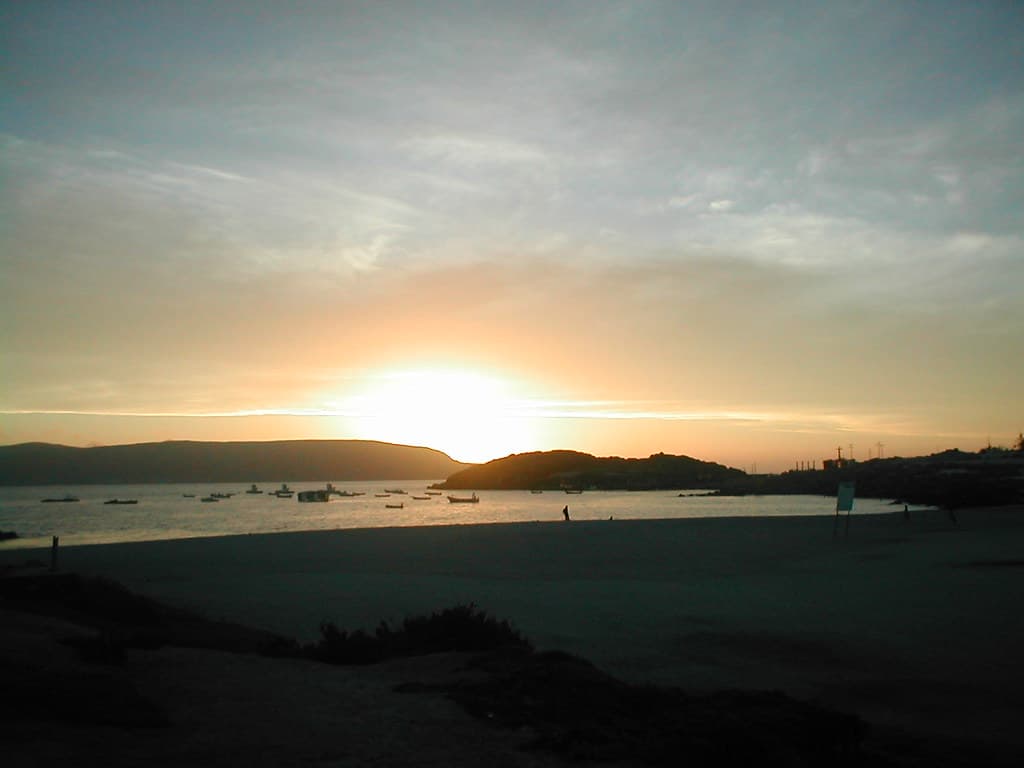
Visit Playa La Caldera during the Southern Hemisphere summer (December to March) for the warmest weather and best beach conditions. This beach is particularly renowned for sunset views, so late afternoon visits during these months offer spectacular lighting. Because it's a less-crowded destination, you can also consider shoulder months like November and April for mild weather and even greater solitude. Be prepared for wind, which is common along this coast year-round. Winter months are quite cold and not ideal for typical beach activities.
Getting to Playa La Caldera involves traveling to the southern San Blas coastal area in Buenos Aires Province. Start from Carmen de Patagones or Viedma, the nearest towns with services. You'll need a personal vehicle, ideally a 4WD or car with good ground clearance, as access roads may be unpaved, sandy, or rough. Follow coastal routes toward Bahía San Blas and navigate using local directions or GPS coordinates. Public transportation doesn't serve this remote area, so self-driving or hiring local guides is necessary for access.
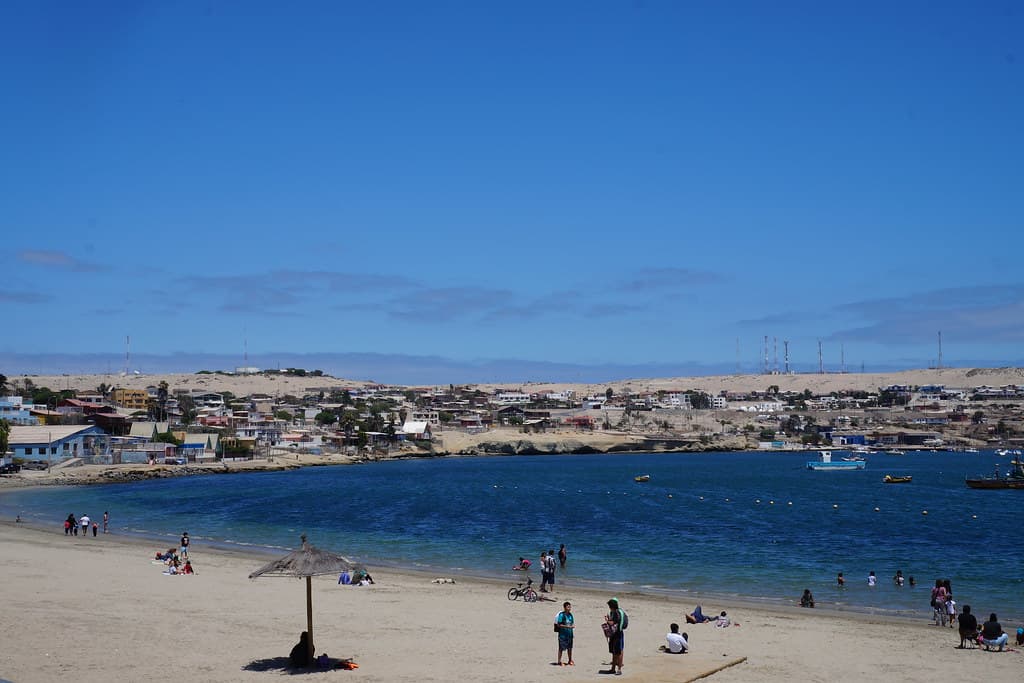
Accommodations near Playa La Caldera are basic and limited, consisting mainly of small cabins, rustic lodges, or camping spots in the Bahía San Blas area. These are typically family-run operations offering simple facilities. Restaurant options are virtually non-existent at the beach itself, so most visitors bring their own food and cooking equipment. For more comprehensive amenities, stay in Carmen de Patagones or Viedma, where you'll find hotels, supermarkets, and restaurants. Plan to be self-sufficient and pack adequate supplies for your beach visit.
Playa La Caldera is particularly distinguished by its exceptional sunset views and remote location along the Patagones Coast. The name suggests a unique geographical formation, and the beach offers dramatic natural scenery characteristic of southern Buenos Aires Province. Its isolation means virtually no commercial development, providing an authentic wilderness beach experience. The combination of scenic beauty, solitude, and unspoiled coastal landscape makes it special for photographers, nature lovers, and travelers seeking off-the-beaten-path destinations away from typical Argentine beach resorts.