Counting the waves…
Counting the waves…

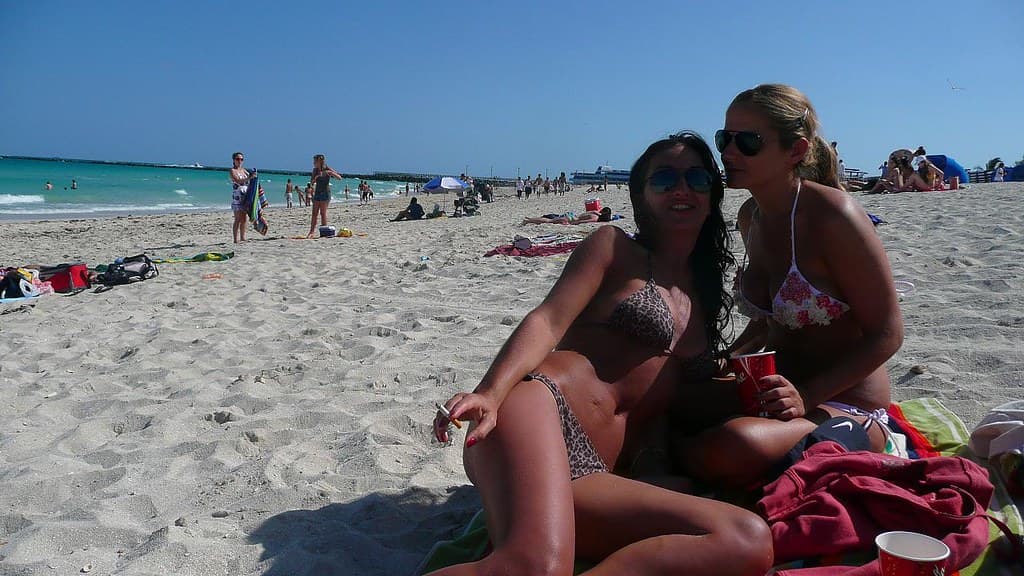
The walk south from Mar Azul's main beach access feels like turning the volume down on summer. Each step past the last weathered beach umbrella brings you closer to a coastline that belongs more to sanderlings and salt-tolerant grasses than to day-trippers. The sand here stays firmer underfoot, packed smooth by tides that arrive with dependable force but little fanfare. You'll spread your towel in the company of perhaps a dozen others, even on January weekends when Pinamar proper teems with porteños. The dune line to your back rises modestly, stitched with coiron grass that hisses in the coastal wind. To the south, the beach tapers toward the reserve boundary, where gnarled tala trees mark the transition from maintained coast to protected wilderness. The ocean maintains its cool grey-green disposition, indifferent to seasons, generous with negative ions. This stretch rewards those who prefer their beach days measured in pages read rather than social encounters. The lack of parador infrastructure means you carry in what you need—mate, medialunas from the village bakery, a wind-resistant paperback. When the afternoon westerly picks up, you'll notice locals orienting their windbreaks just so, a small choreography of seasoned beach-goers who've learned this coast's particular moods.
Places, rentals, tours and events within walking and driving distance of Playa Sur Mar Azul.
Photos
Playa Sur Mar Azul is generally safe for swimming during calm weather, though ocean conditions along Argentina's Atlantic coast can vary. The beach lacks lifeguard stations in the southern stretches, so exercise caution and swim near other beachgoers. Waves tend to be moderate, making it suitable for families with older children. Always check local conditions before entering the water, and avoid swimming during strong winds or rough surf. The remote nature means fewer amenities, so bring your own safety equipment.
The shoulder seasons of late spring (November) and early autumn (March-April) offer the best experience for those seeking fewer crowds at Playa Sur Mar Azul. Summer months (December-February) bring warmer water temperatures but more visitors to the Mar Azul area. Water remains cool year-round, typically ranging from 14-20°C. Mornings and weekdays are quieter than weekends. The beach's southern position means it's naturally less crowded than central Mar Azul beaches throughout the season.
Playa Sur Mar Azul is accessed via Mar Azul village, approximately 350 kilometers south of Buenos Aires. Drive along Route 11 coastal road or take a bus to Mar Azul from Buenos Aires (5-6 hours). Once in Mar Azul, walk or drive south along the beachfront roads toward the southern end of town. Parking is available near beach access points. The beach begins where the developed area ends, marked by dune vegetation and less infrastructure. No public transport runs directly to this southern stretch.
Accommodations are found in central Mar Azul village, a short walk north from the southern beach area. Options include rental homes, cabañas, and small guesthouses suited to families and couples seeking quiet coastal stays. Most properties require advance booking during peak summer season. Restaurants and markets are concentrated in the village center, so bring snacks and water for a full beach day. The southern beach area itself has no commercial facilities, preserving its natural character and tranquility.
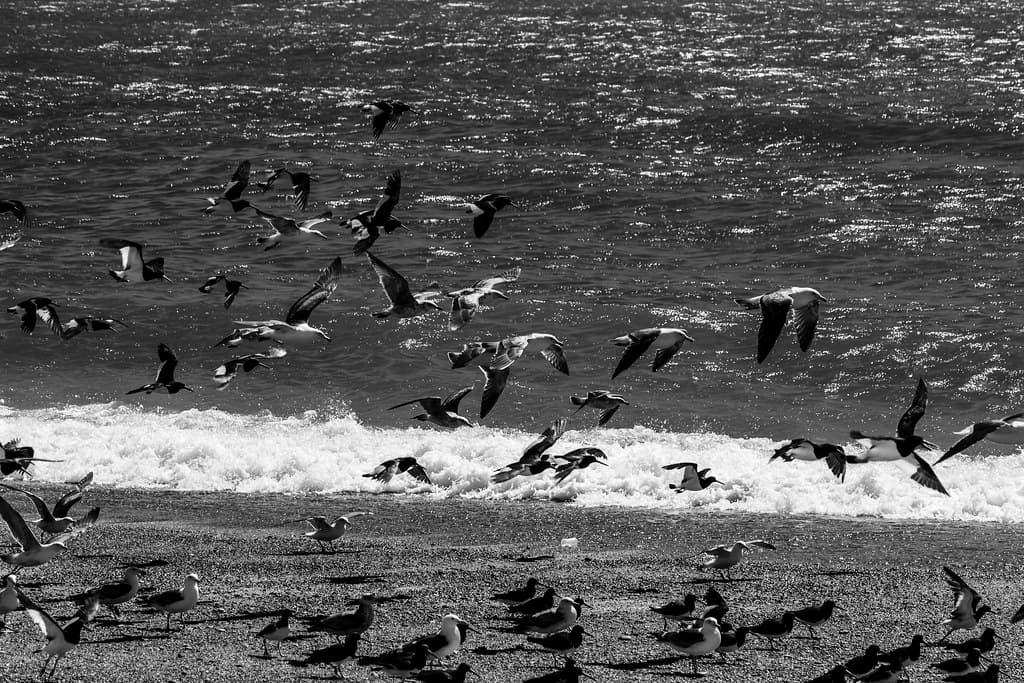
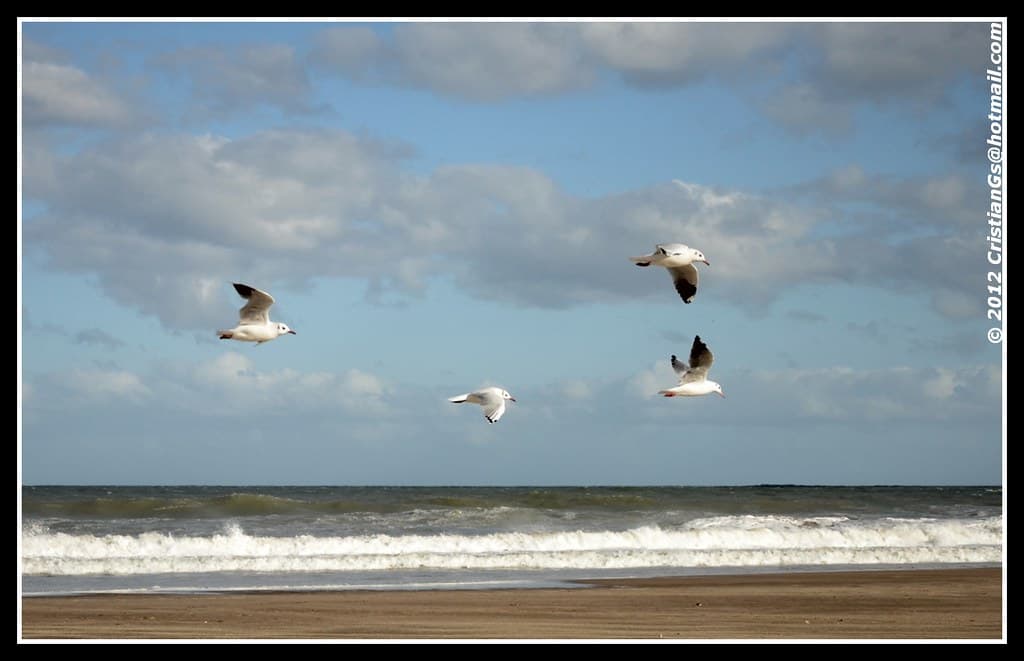
Playa Sur Mar Azul marks the transition zone where Mar Azul's developed coastline meets the protected reserve landscape to the south. This creates a unique buffer atmosphere—less crowded than resort beaches but not as wild as the untouched dunes beyond. The beach offers excellent opportunities for solitary walks, unobstructed sunrise views, and nature observation. Birdlife becomes more abundant here, and the dune systems show their natural form. It's ideal for visitors seeking scenic beauty without venturing into completely undeveloped wilderness.