Counting the waves…
Counting the waves…
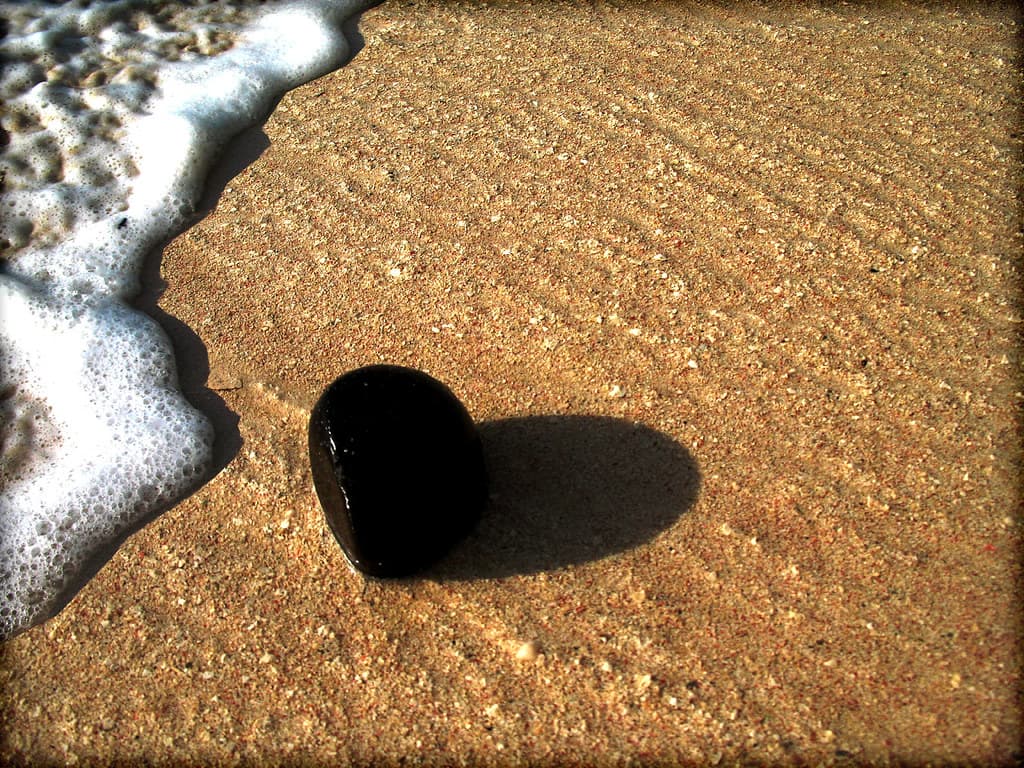
The approach tells you everything: Pipinas is a farming village first, a beach destination second. You leave Ruta 11 behind, roll past grain silos and wire fences, and suddenly the road opens onto a crescent of sand facing Samborombón Bay. The water here is brackish, tinted ochre by river sediment, and so shallow that the tide retreats into a mirror of sky. Gulls pick through tidal wrack while locals set up mate circles under the sparse shade of tamarisks. This is not a place for dramatic swells or postcard blues. Instead, Playa Pipinas offers something rarer along Argentina's Atlantic edge: solitude without effort. Weekday mornings you might share the sand with a handful of fishermen casting into the bay's gentle current, their lines silhouetted against the flat horizon. The beach stretches wide and unmanicured, driftwood scattered like punctuation marks, the kind of place where children build sprawling sand cities without worrying about incoming waves. Stay until late afternoon and the light turns golden over the pampas behind you, casting long shadows across the sand. A few modest paradors serve grilled pejerrey and cold Quilmes, their plastic tables planted directly on the beach. You'll leave with sand in your shoes and the particular contentment that comes from a place still tethered to its working rhythm, where the beach is simply where the land ends and the water begins.

Places, rentals, tours and events within walking and driving distance of Playa Pipinas.
Photos
Playa Pipinas offers relatively safe swimming conditions due to its calm, bay-facing location on Samborombón Bay. The sandy bottom and gentle waters make it suitable for families, though no lifeguard services are present. Tidal changes are significant, so monitor water levels throughout your visit. The water tends to be murky with sediment, which is normal for this bay environment. Always supervise children closely and avoid swimming alone in this remote area. Check local tide schedules and weather forecasts before visiting, as conditions can change with wind patterns across the open bay.
The ideal visiting season is spring (October-November) and autumn (March-April) when temperatures are comfortable and the beach is quiet. Summer months (December-February) offer the warmest weather for swimming and water activities, though humidity can be high. As a hidden beach, crowds are minimal even during peak season, with weekdays especially peaceful. Plan around mid-to-high tide for optimal swimming conditions, as low tide exposes sandbars. Morning hours are pleasant for beach activities, while afternoons can bring refreshing bay breezes. Winter is generally too cold for swimming but suitable for coastal exploration.
Playa Pipinas is located near the rural town of Pipinas in Buenos Aires Province, approximately 160-180 kilometers from Buenos Aires city. Travel south via Route 11 along the Río de la Plata and bay coast, following signs toward Pipinas. A private vehicle is essential, as public transportation to this rural area is extremely limited or non-existent. Some access roads may be gravel or dirt, particularly closer to the beach. Ask locals in Pipinas town for specific directions to the beach access points, as formal signage may be minimal. Allow 2.5-3 hours driving time from the capital.
The beach itself has no facilities, but the nearby rural town of Pipinas offers basic services including small shops for supplies and possibly simple lodging options. Don't expect extensive tourism infrastructure; this is a working rural community. For more accommodation and dining choices, consider nearby towns along Route 11 or plan this as a day trip from Buenos Aires or La Plata, where full hotel and restaurant services are available. Always bring food, drinks, sun protection, and beach supplies, as vendors are unlikely at the beach and options in town are limited.
Playa Pipinas offers an authentic rural coastal experience far from Argentina's developed beach resorts. The sandy bay-facing beach provides a peaceful setting with minimal human impact and traditional rural character. Its location near Pipinas connects visitors to local farming and fishing communities, offering cultural insight alongside beach relaxation. The area serves travellers seeking undiscovered destinations and genuine connection with Argentina's lesser-known coastal regions. Wildlife observation, photography of unspoiled landscapes, and complete tranquility are the main draws. The beach represents coastal Argentina as it exists outside tourist development, appealing to adventurous, nature-focused travellers.