Counting the waves…
Counting the waves…
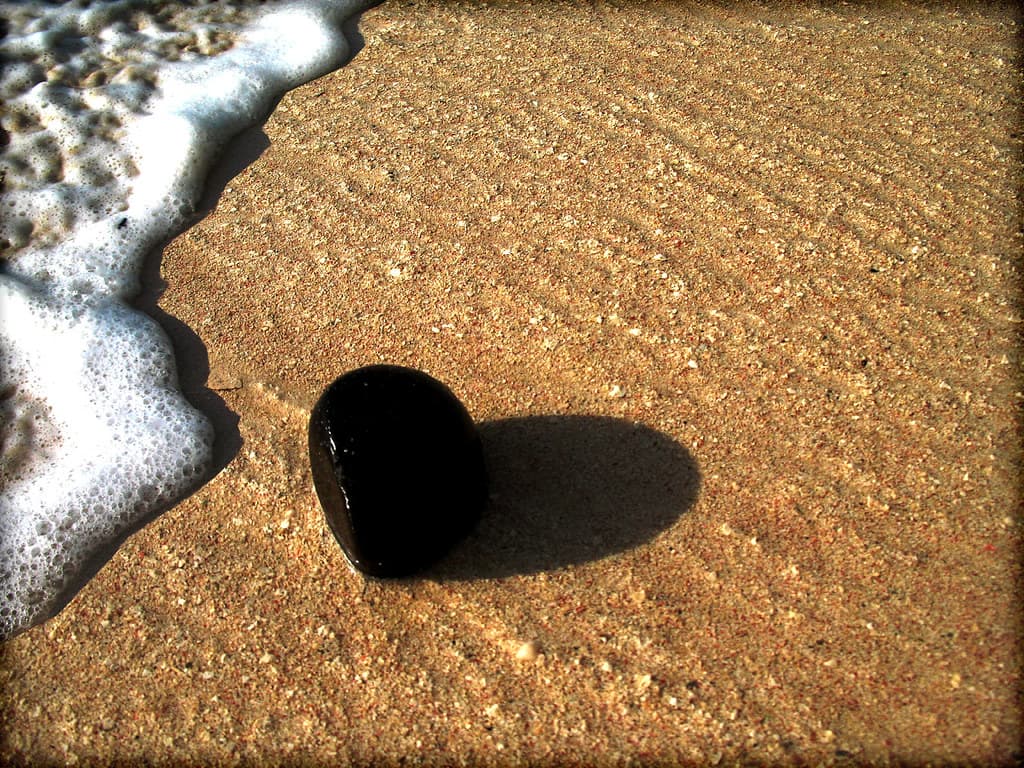
Playa Sarandí doesn't announce itself. You drive through cattle pastures and dusty provincial streets before the road dead-ends at a shoreline so broad and shallow that the bay seems to breathe—water retreating a hundred meters at low tide, then creeping back with the patience of something ancient. The sand is tawny, fine-grained, streaked with ribbons of silt where the Río Salado mingles with Samborombón Bay. Families pitch shade tents near the access road; children dig moats that fill slowly, their laughter carried on wind that smells of river grass and distance. This is the Buenos Aires coast locals know but seldom mention—a place where the pampas meet tidal flats and the horizon is an unbroken seam of muted blue. Sunset stains the shallow water copper and rose, the kind of light that makes you stop mid-sentence. Cormorants perch on half-submerged posts; you might spot a rhea in the scrubland behind the beach if you linger past dusk. There are no surf schools, no beach clubs, no hawkers. Just a wide sweep of sand, the slow pull of tide, and the particular stillness that comes from being far enough from Buenos Aires that the city feels like a rumor. You bring your own mate, your own towel, and leave with sand in your shoes and salt on your skin.

Places, rentals, tours and events within walking and driving distance of Playa Sarandí.
Photos
Swimming at Playa Sarandí is generally safe due to the calm, shallow waters of Samborombón Bay, which are much gentler than open ocean beaches. The bay's protected nature means minimal waves and currents. However, water quality can vary seasonally, and facilities are limited as this is a quiet, less developed beach. Always check local conditions before entering the water, supervise children closely, and be aware that lifeguard services may not be consistently available at this remote location.
The best time to visit is during the Argentine summer months from December through March, when temperatures are warmest and most comfortable for beach activities. Visiting during weekdays or shoulder season (November or April) offers fewer crowds while still providing pleasant weather. The beach is particularly beautiful at sunset. Since this is a hidden gem favored by locals, avoiding peak holiday weekends will give you a more peaceful experience to enjoy the natural scenery and family-friendly atmosphere.
Reaching Playa Sarandí requires traveling approximately 150-180 kilometers south from Buenos Aires to the small town of Pipinas. Driving is the most practical option, taking roughly 2.5-3 hours via Route 2 and local roads. Public transportation options are limited to this remote area, though some bus services connect to nearby towns. Having your own vehicle is highly recommended for flexibility and access, as the beach is somewhat isolated. Plan for rural driving conditions and ensure you have a good map or GPS navigation.
Playa Sarandí has very limited on-site facilities, reflecting its quiet, undeveloped character. Food options are mainly found in the small town of Pipinas, where you'll find local restaurants and shops for basic supplies. Accommodation choices are modest, typically including small guesthouses, cabins, or rural lodgings rather than hotels. Many visitors choose to day-trip from nearby towns or bring their own food for picnics. For more extensive dining and lodging options, consider staying in larger nearby coastal towns and visiting Playa Sarandí as a day excursion.
Playa Sarandí stands out as one of the few accessible beaches on the Samborombón Bay coast, offering a distinctly different experience from ocean-facing Atlantic beaches. Its bay location means exceptionally calm waters ideal for families with young children. The beach attracts nature travelers interested in the bay's unique ecosystem and birdwatching opportunities. Its remote, hidden character provides an authentic, uncommercialized beach experience far from tourist crowds, appealing to those seeking tranquility and a glimpse of local coastal life rather than resort amenities.