Counting the waves…
Counting the waves…
A refined fusion of water purity, environmental stability, and communal vibrancy for Playa La Baguala.
View MethodologyAnalyzed via live sensors and environmental data.
Wave height, wind, and atmospheric stability.
Live footfall and crowd balance metrics.
Community reviews and curated sentiment.
“You'll drive dirt roads past grazing cattle and eucalyptus windbreaks to reach Playa La Baguala, a tawny ribbon of sand so remote that horse tracks outnumber footprints. The mudflats shimmer at low tide, and the only…”
Limited recent visitor reports — live OBI telemetry is your best guide for current conditions.
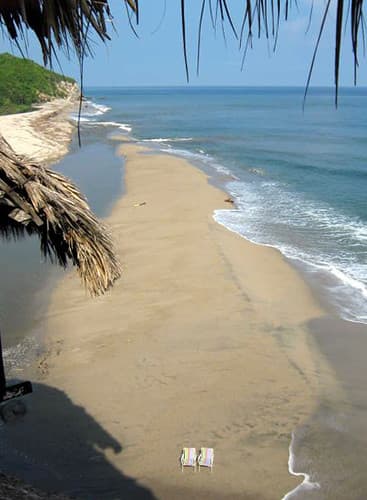
Two hours south of Buenos Aires, where the pampa meets the brackish shallows of Samborombón Bay, Playa La Baguala stretches in austere beauty beneath an enormous sky. The beach belongs to gauchos on horseback and the occasional fisherman casting for corvina, not Instagram crowds. Tan sand darkens near the waterline where tidal flats reveal themselves twice daily, and the horizon blurs into a hazy stripe where river brown meets river silver. Ranch fences run right down to the dunes.
You'll share the shore with black-necked swans and flamingos wading in the shallows, their pink bodies startling against the muted palette of beige and grey-green. The water stays shallow for dozens of meters—wade out until your calves ache and you'll still be knee-deep. Local families arrive on weekends with mate thermoses and fold-up chairs, staking claim to patches of shade beneath the willows that fringe the access road.
 Credit: Unsplash
a group of people standing on top of a sandy beach
 Credit: Unsplash
blue sea under blue sky during daytime
Early morning wading flocks
Explore exposed mudflats at low
Horses galloping along the shore
Prime Visitation
Less Crowds
Where it is
Playa La Baguala
Punta Indio, Buenos Aires, Argentina
-35.326400°, -57.226000°
Weather
Loading…
Swell
—
Temp
Warm · Restorative
UV Index
Moderate
Wind
—
Tidal State
Last known
Max Sunlight
—
Ideal Shade
—
Jan - Dec (Peak)
Mar - Nov (Off-season)
Historical data suggests peak visibility and stable sea temperatures occur during the prime visitation window.
Select a category to load nearby places.
Unlock restaurants, luxury stays and curated maritime experiences within 2km
Swimming conditions at Playa La Baguala are generally calm due to its location on Samborombón Bay, which is more sheltered than open ocean beaches. However, the waters here are shallow and muddy, typical of the Río de la Plata estuary system. Water quality can vary, and facilities are minimal in this rural area. Always check local conditions before entering the water, watch for sudden weather changes, and be aware that lifeguard services may not be available at this remote beach location.
The beach is best visited during the Argentine summer months (December to March) when temperatures are warmest, though it remains relatively uncrowded year-round. Weekdays offer the most solitude, as this hidden beach sees few visitors even during peak season. Spring (September-November) and autumn (March-May) provide mild weather and excellent opportunities for birdwatching in nearby wetlands. Winter visits are possible but can be windy and cold, with water temperatures unsuitable for swimming.
Reaching Playa La Baguala requires traveling to the rural Punta Indio district, approximately 150-180 kilometers south of Buenos Aires city. The most practical option is driving via Route 11 south along the coast. Public transportation is limited in this remote area, though some regional buses serve Punta Indio town. From there, you'll need local transportation or a private vehicle to reach the beach. The roads in the final approach may be unpaved, so check conditions beforehand, especially after rain.
This rural beach area has very limited infrastructure. You'll find basic accommodations and small restaurants in the town of Punta Indio, several kilometers away, including family-run guesthouses and simple eateries serving traditional Argentine fare. For more options, consider staying in nearby Magdalena or Verónica. Many visitors bring their own food and supplies for the day, as beachfront facilities are virtually nonexistent. Plan ahead by packing meals, water, and any necessities before arriving at this remote coastal area.
Playa La Baguala offers a genuinely off-the-beaten-path experience in a region where rural Argentina meets the bay. The beach is characterized by wide, sandy stretches that remain largely deserted, providing a sense of solitude rare near Buenos Aires. The surrounding landscape features coastal grasslands and wetlands that attract diverse birdlife, making it appealing for nature enthusiasts. Unlike developed resort beaches, La Baguala maintains its natural, undeveloped character, offering peaceful scenery and authentic encounters with the region's rural coastal environment.
Photos