
Counting the waves…
Counting the waves…

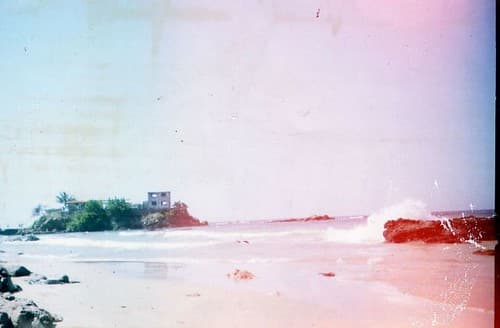
The drive to Punta Indio feels like falling off the edge of Argentina's tourist map. Past the cattle estancias and monotonous flatlands south of La Plata, you arrive at Playa Los Naranjos to discover a beach that refuses to perform. The sand here carries a tawny, almost rust-colored hue, deposited by the muddy confluence of river and bay. At low tide, the waterline recedes hundreds of meters, leaving behind tidal pools alive with tiny crabs and the occasional heron stabbing at stranded fish. The real draw arrives in the final two hours before dusk, when the western sky ignites over the vast Samborombón wetlands. You'll have the shoreline almost entirely to yourself—local fishermen occasionally arrive with hand-lines, searching for corvina—but otherwise it's just you, the wind, and the strange, melancholic beauty of a beach that looks more like the Patagonian steppe than the Buenos Aires coast. Bring layers; the wind off the bay cuts through cotton shirts even in summer. The handful of rustic parrillas in Punta Indio village serve grilled pejerrey caught that morning, and the caretaker at the old lighthouse sometimes offers mate to visitors who make the climb. This is Argentina's shore stripped of pretense, where the rhythm of tides matters more than the season's beach fashion.
Places, rentals, tours and events within walking and driving distance of Playa Los Naranjos.
Photos
Swimming at Playa Los Naranjos is generally safe due to the calm, sheltered waters of Samborombón Bay, though the beach is undeveloped with no lifeguard services. The sandy bottom and gentle waves make it family-friendly, but tidal variations can be significant, so monitor water levels. The water tends to be murky due to the bay's sediment. Always supervise children and avoid swimming alone in this remote location. Check local tide schedules and weather conditions before entering the water, especially during windy days when conditions can change.
Visit Playa Los Naranjos during spring (September-November) or fall (March-May) for comfortable temperatures and minimal crowds. Summer (December-February) brings warmer weather suitable for swimming but higher humidity. Weekdays offer the most solitude. Sunset is particularly spectacular here, with the western sky reflecting off the bay waters—plan to stay into early evening for the best views. High tide provides better swimming conditions, while low tide is excellent for walking along exposed sandbars and exploring tidal pools. Avoid winter months when it's too cold for beach activities.
Playa Los Naranjos is located in the Punta Indio municipality, approximately 180 kilometers southeast of Buenos Aires city. Drive via Route 11 south through coastal towns, following signs toward Punta Indio. A private vehicle is essential, as public transportation is very limited in this rural area. Roads are mostly paved but may include some gravel sections near the beach. Ask locals in Punta Indio for specific directions to Los Naranjos, as this is a locally-known spot with minimal official signage. Allow 2.5-3 hours driving time from Buenos Aires.
Playa Los Naranjos has no facilities, so bring all necessary supplies. The nearby town of Punta Indio offers limited accommodation options including small guesthouses and rural lodgings, plus a few local restaurants and shops. Verónica, another nearby town, has additional services. For more comprehensive amenities, consider staying in La Plata (about 100 kilometers away) or making this a day trip from Buenos Aires. Pack food, drinks, sun protection, and any equipment you'll need, as there are no vendors or services at the beach itself.
Playa Los Naranjos is valued by locals for its authentic, uncommercialised coastal experience along Samborombón Bay. The beach offers wide sandy stretches, peaceful surroundings, and spectacular sunset views across the bay waters. Unlike developed beach resorts, this area maintains its natural character with minimal human intervention, making it ideal for those seeking tranquility and connection with nature. The location provides access to Punta Indio's rural coastal landscape, rich birdlife, and traditional fishing culture. It's a hidden gem known primarily to regional visitors rather than international tourists.