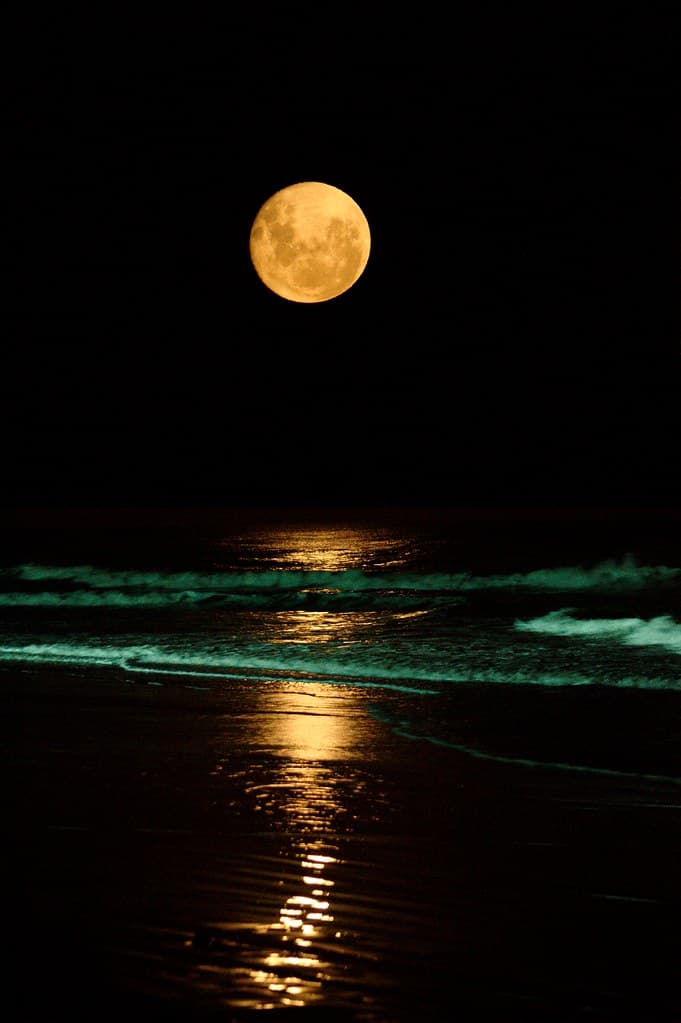
Counting the waves…
Counting the waves…
The beach announces itself not with sand but with slabs of dark stone, smoothed by centuries of Río Quequén runoff meeting the Atlantic. Cueva del Tigre—Tiger Cave Beach—takes its name from a shallow grotto carved into the bluff, a geological parenthesis that legends say housed a big cat driven south by hunger or fate. Whether the tale holds water matters less than the way the cave frames the sea at high tide, turning each wave into a booming echo chamber. You'll find tide pools thick with violet mussels and ruddy anemones, their colors sharpened against the charcoal rock. Kelp slicks the stones at the waterline; wear shoes with grip. The few visitors who make the drive from Necochea or Quequén proper come for solitude and the kind of photographs that don't require filters—just patience and an eye for the way light fractures against wet granite. There are no vendors, no umbrellas, no lifeguards. Bring water, a windbreaker, and respect for the currents that churn between the rocks. The beach rewards those who arrive without expectations of comfort, offering instead the raw arithmetic of stone, salt, and sky that defines Argentina's less-touristed coastline.
Places, rentals, tours and events within walking and driving distance of Playa Cueva del Tigre.
Photos
Swimming at this rocky coastal area requires considerable caution and is generally not recommended for most visitors. The rocky shoreline and rugged terrain create hazardous conditions with sharp rocks, irregular surfaces, and unpredictable wave action. Rocky beaches typically have dangerous currents and limited safe entry/exit points. This beach is better suited for coastal exploration, photography, and scenery appreciation rather than swimming. If you do enter the water, wear protective footwear, never swim alone, and be extremely cautious of waves against rocks and strong currents around rocky formations.
The beach can be visited year-round, with timing depending on your interests. Anytime offers less crowded conditions ideal for exploration and photography of the rugged coastline and geological features. Summer provides warmest weather for comfortable coastal hiking and exploration. Spring and autumn may offer dramatic weather and lighting for Instagram-worthy photography. Low tide periods allow better access to rocky areas and potential cave features. The rocky, scenic nature means visual interest exists regardless of season. Check weather forecasts and tide tables to optimize safety and access during your visit.
Playa Cueva del Tigre is located along Quequén's rocky coastline in Buenos Aires Province. Reach Quequén by car from Buenos Aires (approximately 500 km, 5-6 hours) via Routes 2 and 88. Once in Quequén, navigate toward the rocky shoreline area—local inquiry may be necessary as this hidden beach may lack prominent signage. Access may involve walking over uneven terrain. GPS coordinates or detailed local directions are helpful. A personal vehicle provides most practical access since public transportation to this specific rugged coastal area is limited. Wear appropriate footwear for rocky terrain.
Being a rugged, hidden coastal area, Playa Cueva del Tigre itself has no facilities. Accommodation and dining are available in Quequén town center and neighboring Necochea, both short drives away. Options include hotels, guesthouses, vacation rentals, restaurants featuring Argentine cuisine and seafood, and grocery stores. Visitors typically base themselves in town and visit the rocky beach as a day excursion. Bring water and snacks as on-site services don't exist at this natural coastal area. Necochea offers broader accommodation selection. Summer season bookings should be made in advance.
This beach stands out for its rugged rocky coastline contrasting with the predominantly sandy beaches of the region. The name references local lore and cave features that add mystique and interest. Rocky formations create dramatic coastal scenery ideal for photography, especially during dynamic weather or golden hour lighting. The hidden, less-visited nature preserves natural character and offers discovery appeal for adventurous travelers. Geological features, wave action against rocks, and unspoiled coastal landscape provide compelling Instagram content. The beach represents authentic wild coastline rather than developed resort beaches, appealing to nature and landscape photography enthusiasts.