
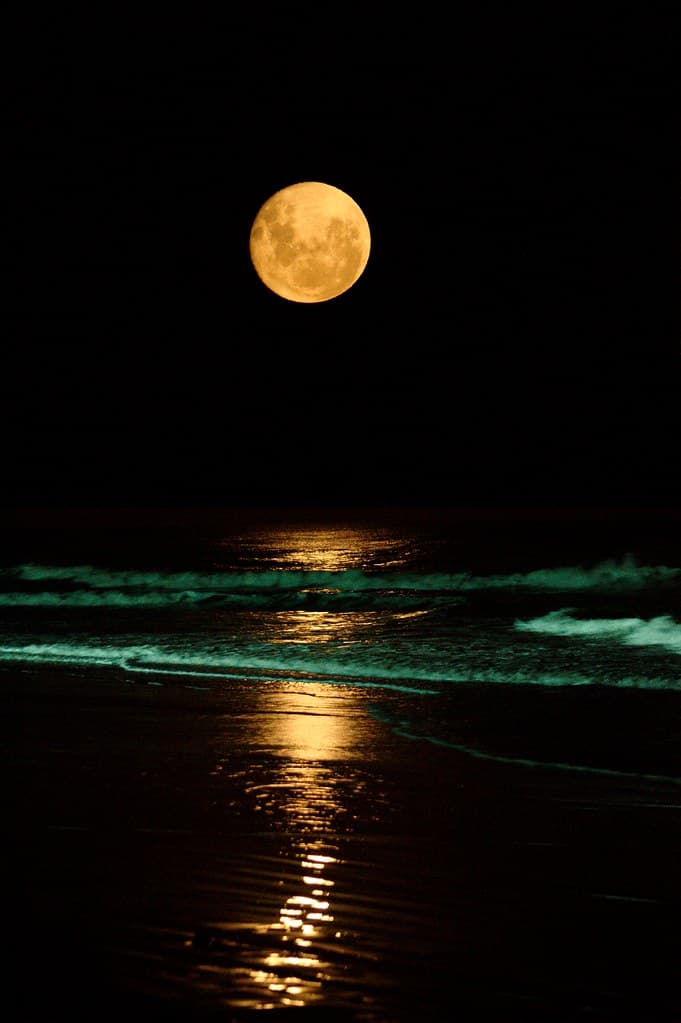
Counting the waves…
Counting the waves…

Punta Negra announces itself abruptly. One moment you're rolling through the gentle dunes and fishing villages that fringe most of the Necochea coast; the next, the earth fractures into dark igneous formations that jut into the sea like the bones of some ancient creature. The name—Black Point—delivers exactly what it promises: charcoal-hued rock platforms worn smooth in places, knife-sharp in others, slick with spray when the swell runs. The beach draws a different crowd than Quequén's family-friendly main stretch. Surfers study the sets breaking over submerged reefs. Photographers perch on the higher bluffs, timing the light as waves detonate against stone. On weekdays, especially outside January and February, you might share the point with only a handful of locals walking dogs along the upper trail, the wind strong enough to lean into. Low tide reveals tidal pools stippled with mussels and small crabs; high tide erases the sand altogether, leaving only rock and churning white water. There's no beach club, no umbrella rentals—just the elemental meeting of land and ocean, unvarnished and utterly indifferent to your Instagram grid. Bring sturdy shoes. The beauty here doesn't accommodate sandals.
Places, rentals, tours and events within walking and driving distance of Playa Punta Negra.
Photos
Swimming at Playa Punta Negra requires caution due to its rocky coastal character. The rocky formations create uneven underwater terrain and unpredictable currents typical of Atlantic beaches in this region. Strong waves and surf conditions are common, making it less suitable for inexperienced swimmers or young children. Always check local conditions before entering the water, avoid swimming near rocky areas, and never swim alone. The beach typically lacks lifeguard services, so visitors should exercise personal judgment and prioritize safety when considering water activities.
Playa Punta Negra can be visited year-round, though each season offers different experiences. The beach maintains lower crowd levels throughout the year, making it ideal for those seeking solitude. Summer months (December-February) provide warmer weather for beach activities, while spring and fall offer mild temperatures perfect for scenic walks and photography. Winter visits appeal to those wanting dramatic seascapes and complete tranquility. Surfers may find consistent waves across multiple seasons. The lack of peak tourist rushes means you can enjoy the rugged coastal atmosphere whenever you visit.
Playa Punta Negra is located within the Quequén coastal area in Buenos Aires province. Visitors typically reach Quequén by car via Route 88 from Buenos Aires (approximately 500km) or from nearby Necochea. From Quequén town center, the beach is accessible by local roads heading toward the coastal points. Driving is the most practical option as public transportation to this specific beach point may be limited. Parking near rocky coastal areas is generally informal. Consider asking locals for precise directions, as signage to lesser-known beach points can vary.
As a more rugged and hidden beach point, Playa Punta Negra has limited facilities directly on-site. Visitors should plan to find restaurants, shops, and accommodations in the nearby town of Quequén, which offers various dining options serving fresh seafood and Argentine cuisine, along with hotels, hostels, and rental properties. Necochea, the larger neighboring city, provides extensive lodging and dining choices. It's advisable to bring your own food, water, and supplies when spending the day at this beach, as immediate services are unlikely to be available at this natural coastal location.
Playa Punta Negra stands out for its rocky coastal character, contrasting sharply with the sandy beaches dominating the Necochea-Quequén coast. The rocky point formations create a more rugged, dramatic Atlantic landscape that's particularly appealing for photography and Instagram content. This geological feature attracts surfers seeking different wave breaks and adventurous visitors wanting to explore tide pools and coastal formations. The beach's hidden nature and lower visitor numbers provide an authentic, uncommercialized experience. Its wild character showcases the diverse coastal geography of Argentina's Buenos Aires province beyond typical sandy resort beaches.