Counting the waves…
Counting the waves…

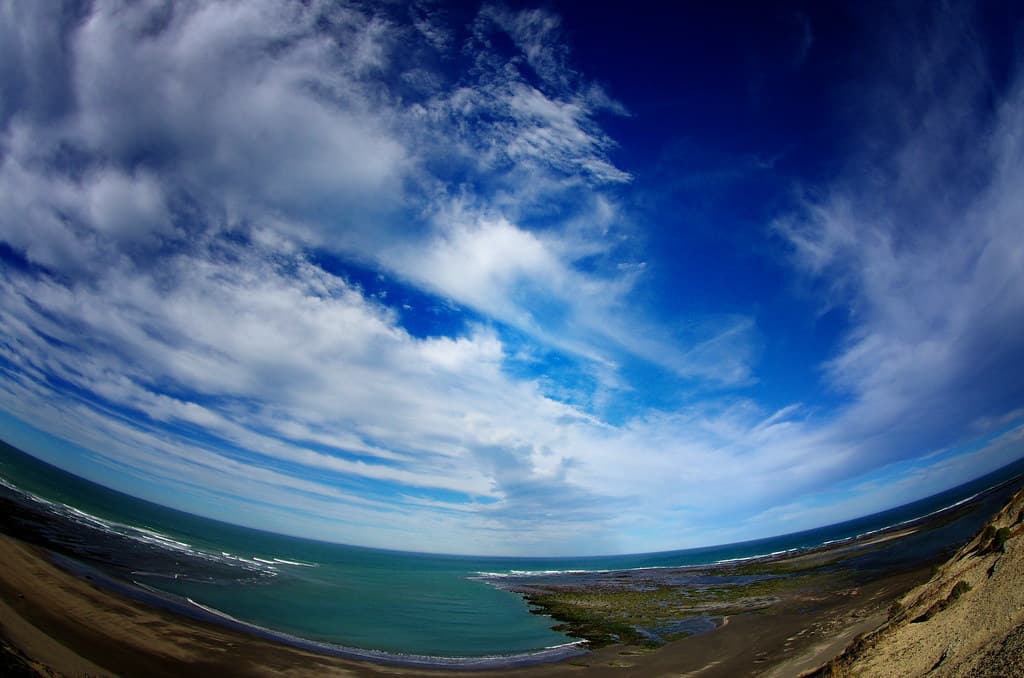
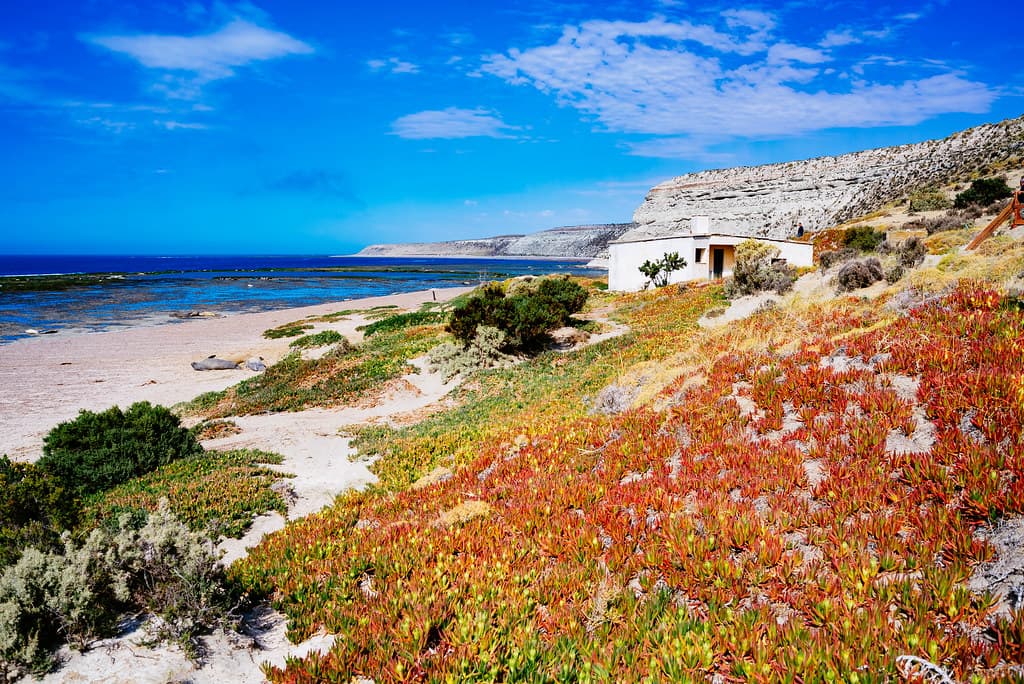
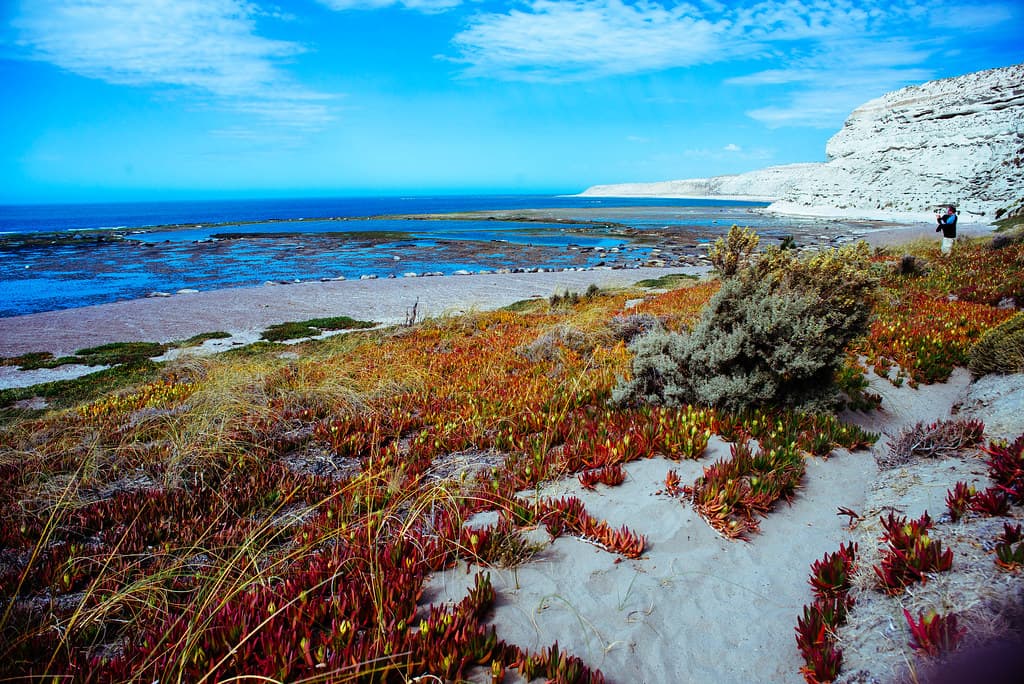
The gravel road from Puerto Pirámides unspools across scrubland for forty kilometers, ending abruptly at the southernmost point of Península Valdés. Here, Playa Punta Delgada is less a beach for swimming than a front-row seat to one of Argentina's richest wildlife theaters. The shoreline is a tumble of rounded pebbles in shades of charcoal and rust, sloping steeply into the South Atlantic. Wind is constant—bring layers even in summer—and the air tastes of salt and kelp. The 1905 lighthouse still operates, its keepers' quarters now converted to a small hotel and restaurant. From the clifftop viewpoint, scan the rocks below for elephant seals hauled out in grunting, blubbery masses, their harems guarded by scarred bulls. Between June and December, right whales nurse calves in the protected waters of Golfo Nuevo, their tail flukes slapping the surface. Magellanic penguins waddle along the tide line, and orcas patrol the shallows during spring tides, launching themselves onto the beach to snatch unsuspecting sea lion pups. The beach itself demands sturdy shoes—those pebbles shift underfoot, and the surf is powerful. But settle on a driftwood log, binoculars in hand, and you'll understand why naturalists return year after year. This is Patagonia unfiltered: raw, loud, and teeming with life that regards you as little more than another curious mammal on the shore.
Places, rentals, tours and events within walking and driving distance of Playa Punta Delgada.
Photos
Swimming at Playa Punta Delgada is generally not recommended due to strong Atlantic currents, cold water temperatures, and the pebble beach composition. The area is better suited for wildlife observation and photography rather than water activities. Visitors should exercise caution near the water's edge, as waves can be unpredictable. The remote location means emergency services are distant, so always prioritize safety and stay aware of your surroundings when exploring the coastline.
Playa Punta Delgada can be visited year-round, with September through March offering the most favorable weather conditions. Wildlife viewing varies by season: elephant seals are typically present August through March, while orcas may be spotted during spring months. Summer (December-February) provides warmer temperatures and longer daylight hours. The beach experiences fewer crowds throughout the year due to its remote location. Bring layers regardless of season, as coastal winds can be strong and temperatures unpredictable.
Reaching Playa Punta Delgada requires driving approximately 100 kilometers from Puerto Madryn or Puerto Pirámides along gravel roads within Península Valdés. A vehicle is essential, preferably with good clearance for rough sections. The area is part of a protected reserve requiring entrance fees. Roads can be challenging after rain. Most visitors join organized tours from Puerto Madryn or Puerto Pirámides, which provide transportation and wildlife expertise. Independent travelers should ensure adequate fuel, spare tires, and supplies before departing.
Playa Punta Delgada has limited facilities, with a historic lighthouse keeper's house converted into a small lodge offering basic accommodation and meals. Reservations are essential and should be made well in advance. Most visitors base themselves in Puerto Pirámides or Puerto Madryn, which offer diverse lodging and dining options. There are no restaurants or shops at the beach itself, so bring water, snacks, and any necessary supplies. The remote location means self-sufficiency is important when visiting this area.
Playa Punta Delgada stands out for its distinctive red and white striped lighthouse perched on dramatic coastal cliffs, creating exceptional photographic opportunities. The location offers excellent elephant seal colonies visible from accessible viewpoints, particularly during breeding season. The combination of rugged cliff scenery, historic lighthouse architecture, and reliable wildlife viewing creates a unique atmosphere. The remote southern position on the peninsula means fewer visitors compared to northern areas, providing a more intimate wildlife experience in a strikingly scenic setting.