
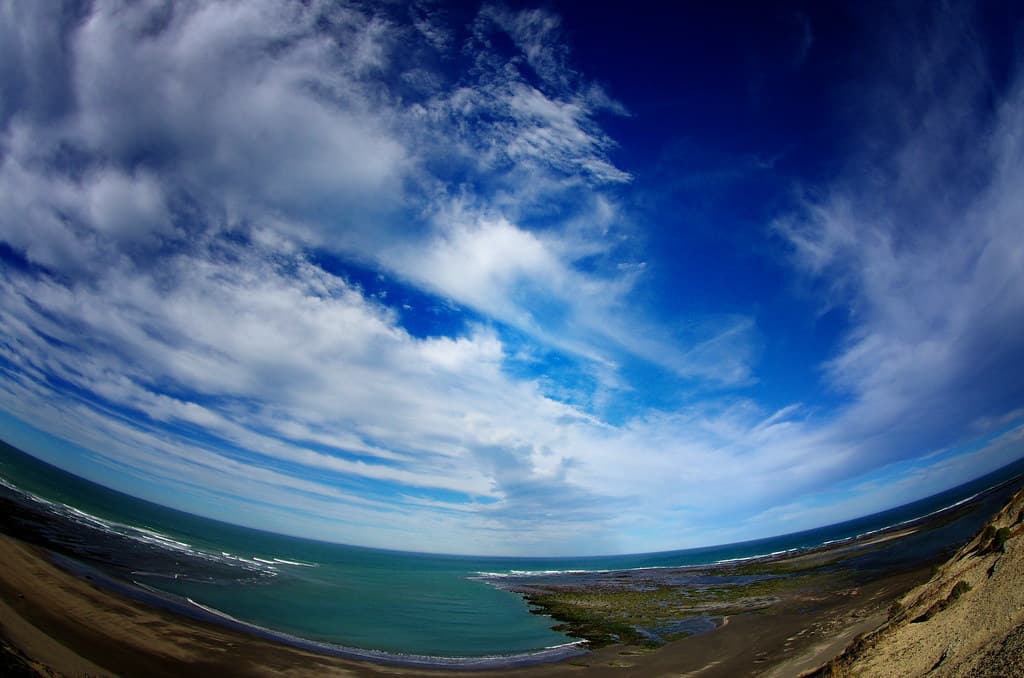
The gravel road from Puerto Pirámides unspools across scrubland for forty kilometers, ending abruptly at the southernmost point of Península Valdés. Here, Playa Punta Delgada is less a beach for swimming than a front-row seat to one of Argentina's richest wildlife theaters. The shoreline is a tumble of rounded pebbles in shades of charcoal and rust, sloping steeply into the South Atlantic. Wind is constant—bring layers even in summer—and the air tastes of salt and kelp.
“One of the few places on earth where orcas intentionally beach themselves to hunt, performing their dramatic attacks just meters from where you stand.”
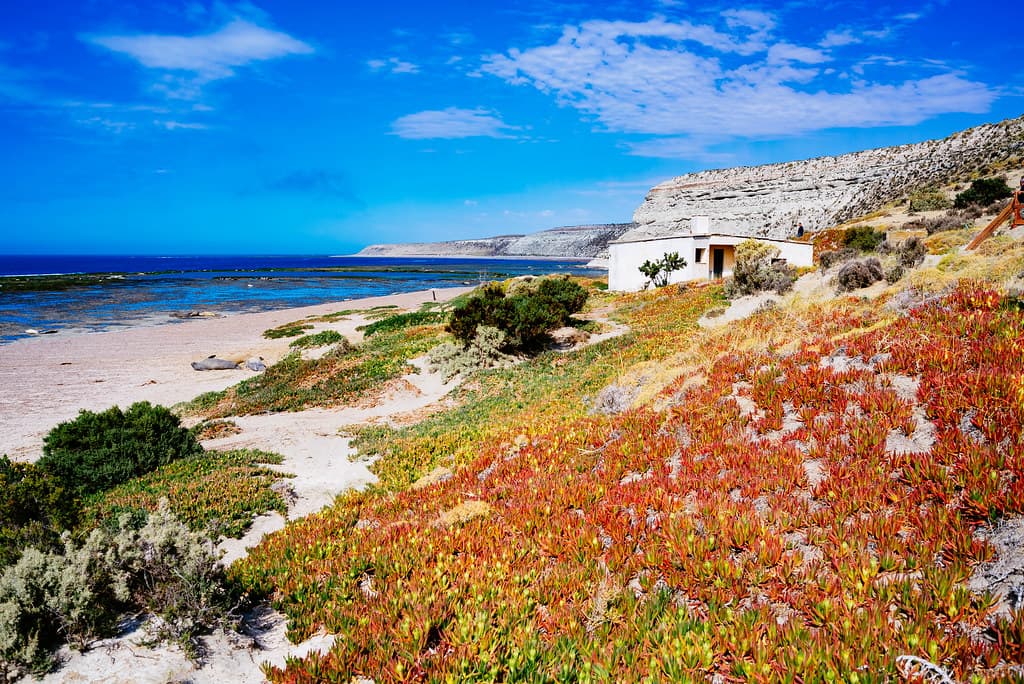 Credit: Flickr
Playa Punta Delgada — photo by citizen_dick77
The 1905 lighthouse still operates, its keepers' quarters now converted to a small hotel and restaurant. From the clifftop viewpoint, scan the rocks below for elephant seals hauled out in grunting, blubbery masses, their harems guarded by scarred bulls. Between June and December, right whales nurse calves in the protected waters of Golfo Nuevo, their tail flukes slapping the surface. Magellanic penguins waddle along the tide line, and orcas patrol the shallows during spring tides, launching themselves onto the beach to snatch unsuspecting sea lion pups.
The beach itself demands sturdy shoes—those pebbles shift underfoot, and the surf is powerful. But settle on a driftwood log, binoculars in hand, and you'll understand why naturalists return year after year. This is Patagonia unfiltered: raw, loud, and teeming with life that regards you as little more than another curious mammal on the shore.


