Counting the waves…
Counting the waves…

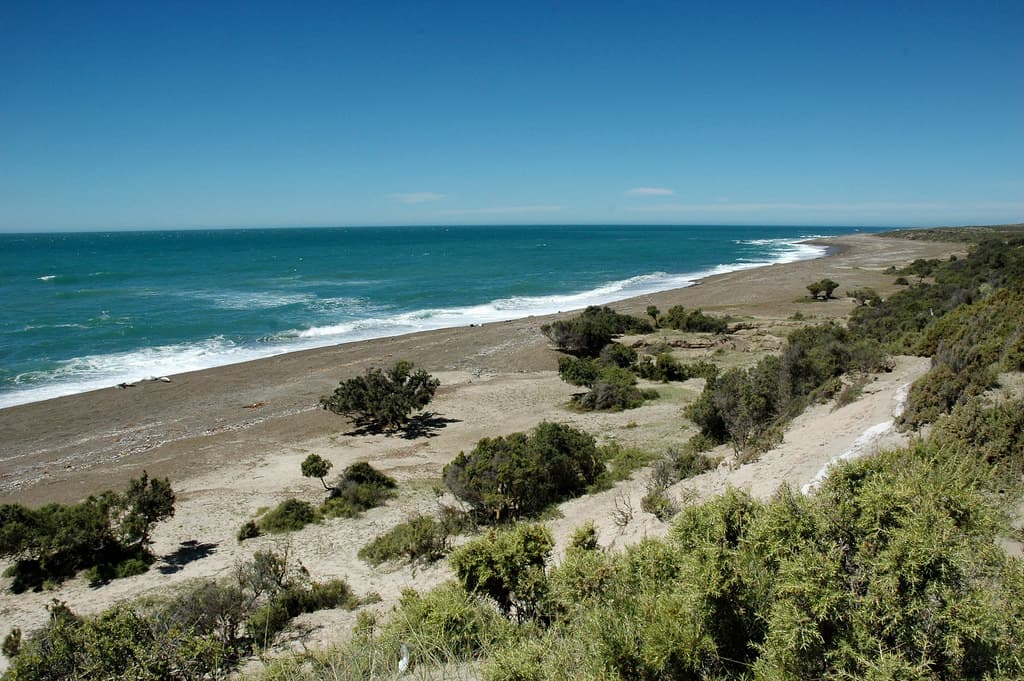
Playa La Ernestina sprawls along Punta Norte's desolate coast, a stretch of grey and tan pebbles that rattles underfoot with every step. The beach curves gently beneath rust-colored bluffs, exposed to winds that sweep uninterrupted across Patagonian steppe and ocean alike. You won't find umbrellas or vendors here—just gulls wheeling overhead and the occasional guanaco silhouette on the ridgeline above. What draws visitors to this remote sector is the seasonal theatre that plays out in the surf zone. Between February and April, orcas patrol the shallows during high tide, sometimes launching themselves onto the beach in calculated attacks on young sea lions. You'll watch from designated viewing areas above the strand, binoculars pressed to your face, heart hammering as dorsal fins slice through kelp beds barely thirty meters out. Even outside orca season, elephant seals haul out on the stones, their guttural calls punctuating the constant hiss of waves dragging pebbles back to sea. The beach itself demands little of you—no swimming, no sunbathing in the conventional sense. Instead, you'll zip your jacket higher, brace against the wind, and scan the waterline. Photography here requires patience and a lens long enough to capture the action without disturbing it. As the sun drops toward the steppe, the light turns amber and the entire coast glows, momentarily softening this hard, beautiful edge of Argentina.
Places, rentals, tours and events within walking and driving distance of Playa La Ernestina.
Photos
Swimming at Playa La Ernestina is generally not recommended. This remote Atlantic coast beach experiences strong currents, cold water temperatures, and unpredictable conditions typical of Patagonian waters. The area is primarily a wildlife zone where orcas famously hunt sea lions along the shore, making water entry potentially dangerous. The beach's remote location means no lifeguards or emergency services are readily available. Visitors come here primarily for wildlife observation rather than swimming. If you approach the water, maintain a safe distance from wildlife and stay on shore to observe the remarkable natural spectacle.
Playa La Ernestina near Punta Norte is best visited during the orca hunting season, typically from mid-February through April, when orcas beach themselves to catch sea lion pups. This dramatic natural phenomenon draws wildlife enthusiasts worldwide. Sea lions are present year-round, with peak populations during breeding season. Elephant seals also inhabit the area. Access to Punta Norte area follows Península Valdés reserve hours, generally allowing visits year-round but with varying schedules. Weather is harsh and windy throughout the year, so dress warmly regardless of season. Guided tours often provide the best wildlife viewing opportunities.
Reaching Playa La Ernestina requires commitment, as Punta Norte sits at the remote northeastern tip of Península Valdés, approximately 200 kilometers from Puerto Madryn. The journey involves driving on mostly gravel roads that can be challenging, especially in poor weather. A sturdy vehicle is recommended, though regular cars can make the trip in good conditions. The drive takes several hours from Puerto Pirámides or Puerto Madryn. There's no public transportation, so joining an organized tour or renting a vehicle are your only options. The remote location means limited facilities, so bring supplies and fuel.
Playa La Ernestina is in an extremely remote area with minimal infrastructure. Punta Norte has a small ranger station and visitor center with very limited services, but no accommodation or restaurants. Most visitors make this a long day trip from Puerto Pirámides or Puerto Madryn, where full lodging and dining options exist. Bring your own food, water, and supplies for the day. The nearest village with any amenities is Puerto Pirámides, over 100 kilometers away. The isolation is part of the area's wild appeal, allowing wildlife to thrive undisturbed, but requires careful trip planning.
Playa La Ernestina's primary distinction is its world-renowned wildlife spectacle, particularly the dramatic orca hunting behavior where whales intentionally beach themselves to catch sea lions. This phenomenon occurs at very few locations worldwide, making it extraordinarily special. The beach's remote Atlantic location provides raw, untouched Patagonian coastal scenery perfect for photography. Unlike more accessible beaches on the peninsula, its isolation ensures a pristine environment where nature dominates completely. The pebble beach and surrounding landscape offer dramatic views, though visitors come primarily for wildlife observation rather than beach recreation.