Counting the waves…
Counting the waves…

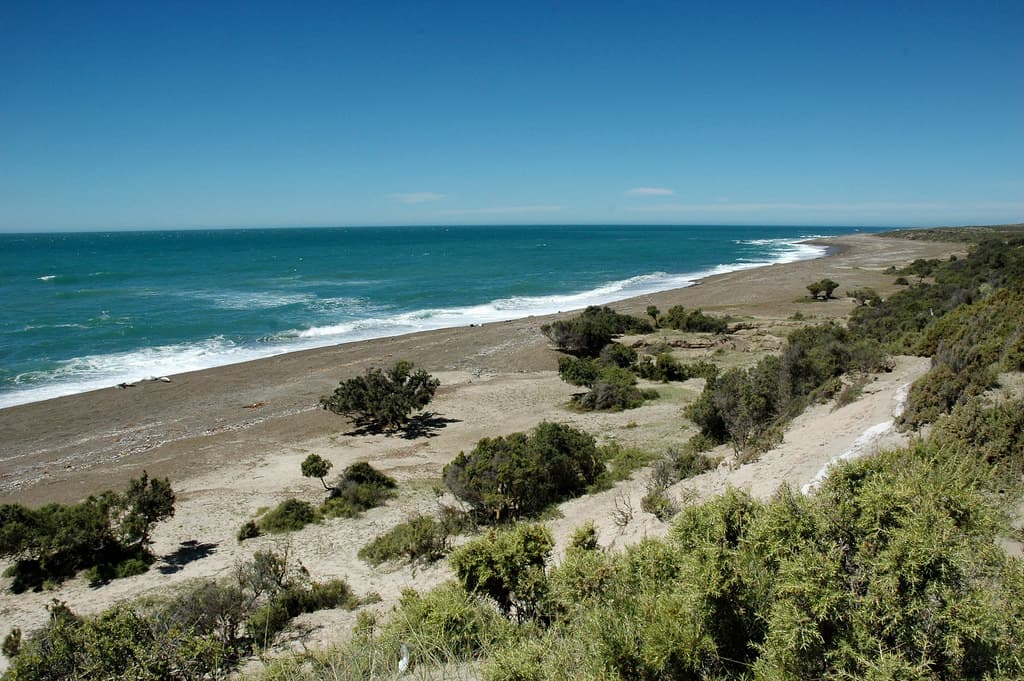
Punta Norte sits at the windswept northern tip of Península Valdés, where the pebble shore drops sharply into cold Atlantic currents rich with prey. This is not a place for sunbathing or sandcastles. You come here to witness one of nature's most dramatic predator-prey spectacles: orcas intentionally beaching themselves to snatch sea lion pups from the rocky shallows. The technique, passed down through generations of killer whales, happens nowhere else on Earth with such regularity or proximity to land. The beach itself stretches in a wide arc of charcoal and rust-colored stones, polished smooth by relentless waves. Elephant seals sprawl in blubbery heaps near the waterline, indifferent to the wind that whips off the plateau behind you. During breeding season, the cacophony of barking sea lions mixes with the crash of surf and the occasional explosive breath of a surfacing whale. You'll spot Magellanic penguins waddling along the tideline, and if you're patient, South American sea lions basking on offshore rocks. The landscape feels elemental—no trees, no shelter, just open sky meeting restless ocean. Rangers from the nearby research station monitor the orca population, and if you time your visit between February and April, you might watch them studying the hunt from elevated blinds. The pebbles rattle with each retreating wave, a sound that becomes the rhythm of this raw, uncompromising coast.
Places, rentals, tours and events within walking and driving distance of Playa Punta Norte.
Photos
Swimming at Playa Punta Norte is strongly discouraged and potentially dangerous. The beach is famous for orca attacks on sea lions, making entering the water extremely risky. Strong currents, cold temperatures, and the pebble beach composition further discourage swimming. This is strictly a wildlife observation destination, not a recreational beach. Visitors should maintain safe distances from the water's edge and never approach wildlife. The area's primary value lies in observing natural predator-prey interactions from designated viewing areas.
The optimal time for wildlife viewing at Playa Punta Norte is February through April, when orcas patrol the shores hunting sea lion pups. This spectacular natural phenomenon attracts wildlife enthusiasts worldwide. Sea lion colonies are present year-round, with peak breeding activity in December-January. Elephant seals can be observed September through March. Morning hours typically offer better wildlife activity and photography light. Weather is most favorable during spring and summer months, though the beach maintains fewer crowds throughout the year due to its remote northern location.
Playa Punta Norte is located at the northernmost tip of Península Valdés, approximately 90-100 kilometers from Puerto Pirámides via gravel roads. A reliable vehicle is necessary, as public transportation doesn't serve this remote area. The journey involves paying Península Valdés reserve entrance fees. Road conditions vary, with some rough sections requiring careful driving. Many visitors opt for guided tours from Puerto Madryn or Puerto Pirámides, providing expert wildlife interpretation and guaranteed transportation. Allow 2-3 hours driving time from Puerto Madryn.
Playa Punta Norte has extremely limited facilities. A small visitor center may offer basic snacks and beverages during peak season, but availability varies. There is no lodging at Punta Norte itself. Puerto Pirámides, approximately 90 kilometers south, offers hotels, guesthouses, and restaurants as the nearest accommodation hub. Puerto Madryn provides more extensive lodging and dining options. Visitors should bring adequate water, food, and supplies when visiting Punta Norte, as services are minimal and unreliable at this remote location.
Playa Punta Norte gained worldwide fame for its unique orca hunting behavior, where these apex predators intentionally beach themselves to catch sea lion pups during specific months. This extraordinary natural spectacle, documented in numerous wildlife films, occurs at few locations globally. The beach also hosts large sea lion breeding colonies and elephant seals. The dramatic convergence of marine predators and prey in accessible viewing conditions makes this one of the planet's premier wildlife destinations, attracting researchers and nature photographers internationally.