
The drive down from Carmen de Patagones threads through salt-scrubbed grassland that offers no warning of the ocean beyond. Then Playa Bahía Creek appears: a generously wide strand where taupe sand meets seafoam in rhythmic collision, and the horizon line stretches unbroken except for the occasional fishing boat working the offshore current. This is Río Negro's quiet answer to beach culture—no umbrellas in regimented rows, no vendors hawking empanadas, just families from nearby settlements staking out territory with wind-battered coolers and wool blankets.
“One of Río Negro's last undeveloped coastal stretches where Patagonian scrubland spills directly onto Atlantic sand.”
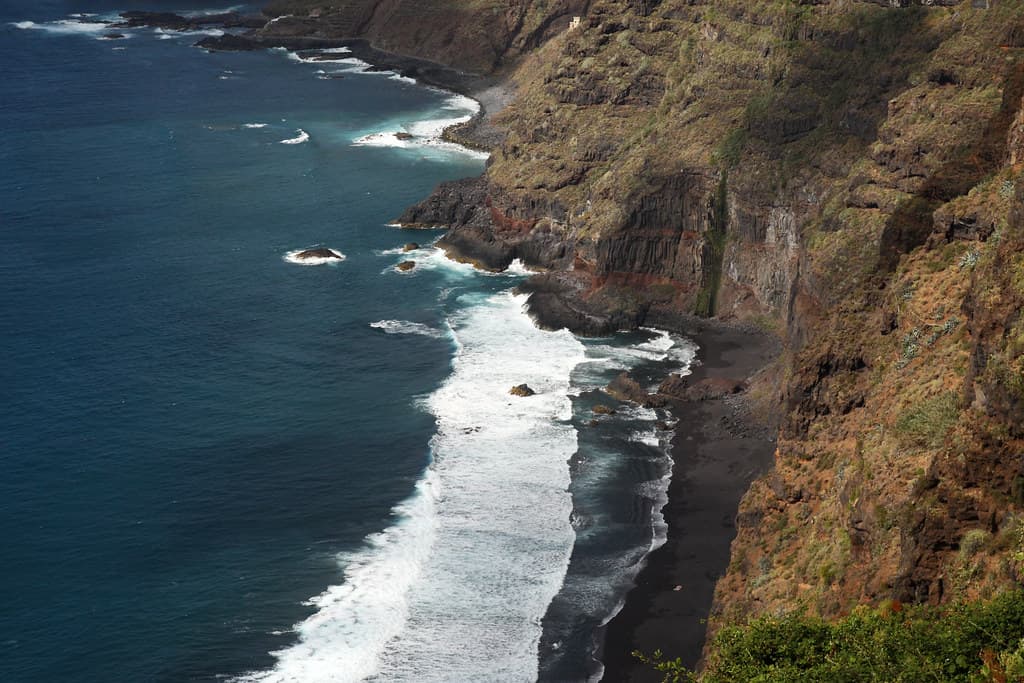 Credit: Flickr
Playa La Garañona,
The beach's appeal lies in its resolute plainness. Tidal wrack piles up in dark ribbons along the high-water mark: kelp holdfasts, polished shell fragments, the occasional bleached cuttlebone. Gulls stalk the shallows. The water temperature hovers cold even in January, the South Atlantic's gift to swimmers who prefer their ocean unheated. You'll share the sand with locals who know to arrive mid-morning, after the wind settles but before the afternoon gusts rake across the open beach.
La Lobería Coast stretches east from here, a series of headlands and pocket beaches named for the sea lions that once hauled out on the rocks. Bahía Creek itself remains a foothold settlement, offering just enough infrastructure—a modest café, a corner store with dusty canned goods—to anchor a full day by the water. Pack what you need; improvisation is harder here than expectation.


