
Counting the waves…
Counting the waves…

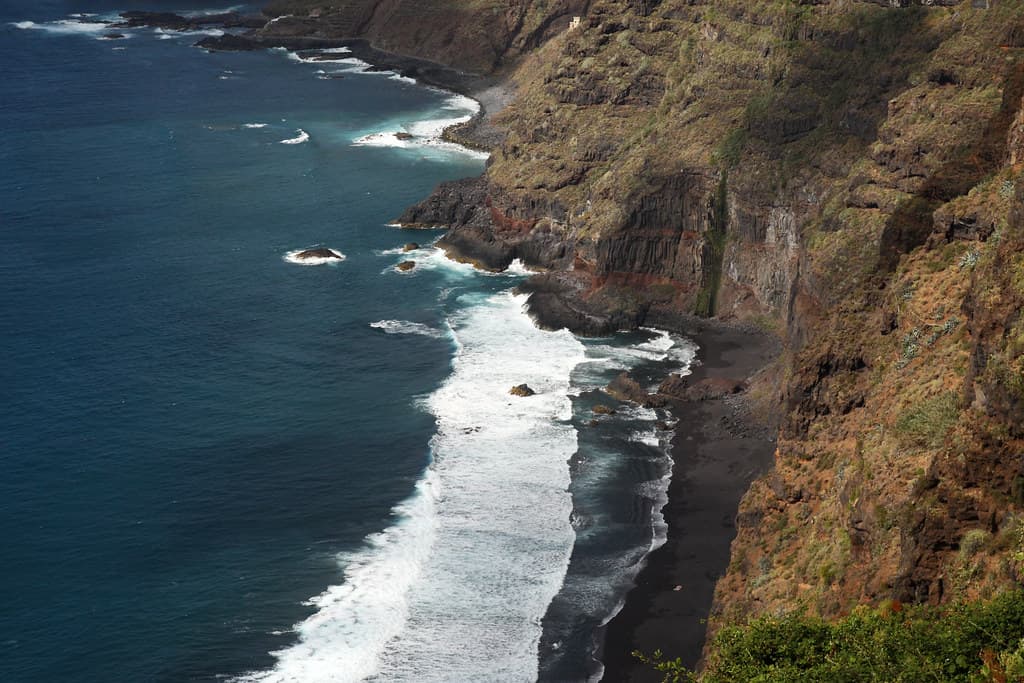
The drive down from Carmen de Patagones threads through salt-scrubbed grassland that offers no warning of the ocean beyond. Then Playa Bahía Creek appears: a generously wide strand where taupe sand meets seafoam in rhythmic collision, and the horizon line stretches unbroken except for the occasional fishing boat working the offshore current. This is Río Negro's quiet answer to beach culture—no umbrellas in regimented rows, no vendors hawking empanadas, just families from nearby settlements staking out territory with wind-battered coolers and wool blankets. The beach's appeal lies in its resolute plainness. Tidal wrack piles up in dark ribbons along the high-water mark: kelp holdfasts, polished shell fragments, the occasional bleached cuttlebone. Gulls stalk the shallows. The water temperature hovers cold even in January, the South Atlantic's gift to swimmers who prefer their ocean unheated. You'll share the sand with locals who know to arrive mid-morning, after the wind settles but before the afternoon gusts rake across the open beach. La Lobería Coast stretches east from here, a series of headlands and pocket beaches named for the sea lions that once hauled out on the rocks. Bahía Creek itself remains a foothold settlement, offering just enough infrastructure—a modest café, a corner store with dusty canned goods—to anchor a full day by the water. Pack what you need; improvisation is harder here than expectation.
Places, rentals, tours and events within walking and driving distance of Playa Bahía Creek.
Photos
Swimming conditions at Playa Bahía Creek vary with weather and tides, typical of Atlantic Patagonian beaches. The wide sandy beach provides good space for families, though the remoteness means no lifeguard services are available. Water temperatures are cool year-round, and currents can be strong, so swimming requires caution and experience. The beach is better suited for wading, beach walks, and sunbathing rather than extended swimming sessions. Families should supervise children closely near the water. The sandy terrain makes it more accessible than rocky beaches, but always check local conditions and never underestimate the power of Patagonian coastal waters.
The optimal visiting period is during the Southern Hemisphere summer (December through March) when temperatures are warmest and conditions most comfortable for beach activities. This beach experiences fewer crowds throughout the year due to its remote location along the Camino de la Costa. Spring (October-November) and autumn (April-May) offer pleasant weather with virtually no tourists, ideal for nature observation and photography. Winter months (June-August) can be harsh with strong winds and cold temperatures, though dramatic for photographers. Wildlife is more active during warmer months, enhancing the nature-travel appeal of this isolated coastal settlement.
Bahía Creek is located along the Camino de la Costa (Route 1) in Río Negro province, requiring personal transportation as public transit options are extremely limited. From Viedma, travel east along the coastal road; the distance varies but typically ranges 60-100 kilometers depending on the exact beach access point. Roads include paved sections and gravel tracks requiring careful driving. A reliable vehicle with good clearance is recommended, along with full fuel tanks and emergency supplies. GPS coordinates may be helpful as signage can be minimal. Check road conditions before traveling, especially after rain or during winter when access may be challenging.
Bahía Creek is a remote coastal settlement with minimal tourist infrastructure. Accommodation is typically limited to basic cabins, vacation rentals, or camping facilities rather than traditional hotels. Dining options are scarce; visitors should bring food supplies and cooking equipment for self-catering. The nearest town with supermarkets and restaurants is likely Viedma, requiring significant travel. Some properties may offer basic provisions, but don't rely on this. This destination suits self-sufficient travelers prepared for rustic conditions. Bring adequate drinking water, food, and essential supplies. The reward is pristine natural surroundings and genuine solitude far from commercial tourism development.
This beach offers exceptional nature-travel appeal with wide sand expanses, pristine coastal environments, and genuine remoteness that attracts adventurous travelers. The undeveloped character provides authentic Patagonian coastal experiences without crowds or commercialization. Wildlife observation opportunities include seabirds, marine mammals occasionally visible offshore, and unique coastal ecosystems. The dramatic landscape combines expansive sandy beaches with Patagonian steppe meeting the Atlantic Ocean. Photographers value the unspoiled scenery and changing light conditions. The isolation creates a sense of discovery and connection with raw nature. It's ideal for travelers prioritizing wilderness experiences, solitude, and natural beauty over amenities and convenience.