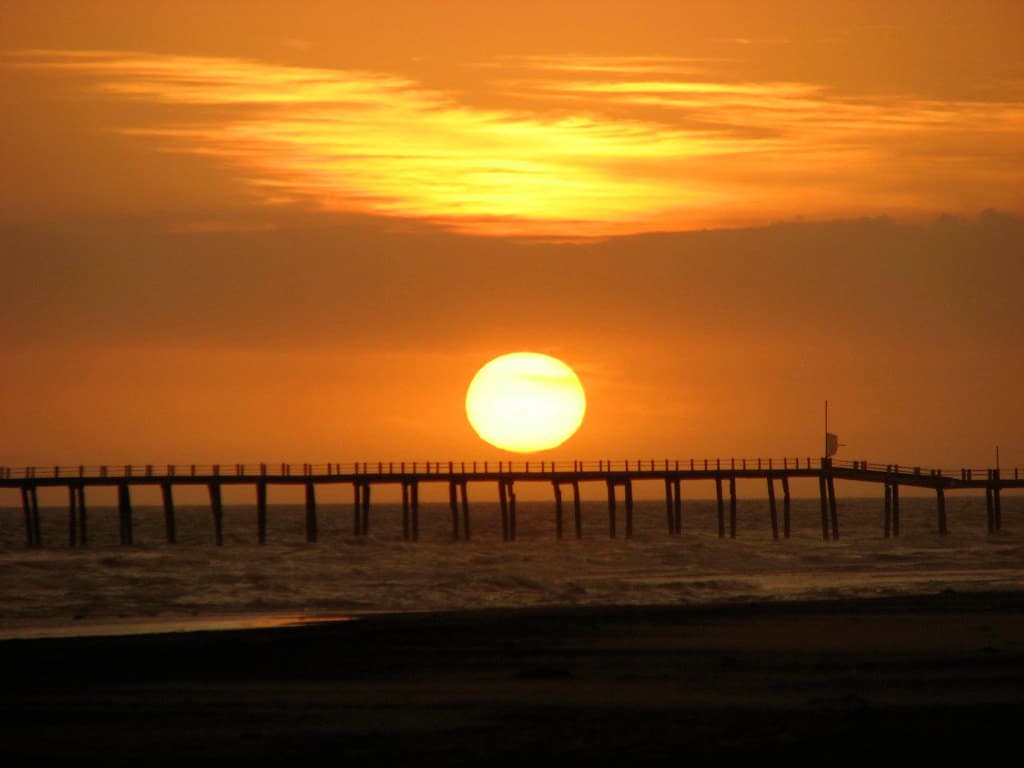
Counting the waves…
Counting the waves…
Cueva del Loro—Parrot Cave—takes its name from the thousands of burrowing parrots that nest in the cliff face, drilling horizontal tunnels into the soft sedimentary rock. The noise is constant: a chorus of squawks and chatter that echoes off the stone, punctuated by the whoosh of wings as birds return from feeding runs over the scrubland. The cliffs themselves are layered like a geological textbook, bands of ochre, grey, and rust that speak to millions of years of deposition and erosion. The beach itself is narrow, a crescent of coarse sand and cobbles hemmed in by boulders tumbled from above. At low tide, you can walk the length of it, poking through tide pools where purple sea urchins cling to rock and hermit crabs scuttle between fronds of algae. At high tide, the water claims all but a thin strip, and you retreat to the base of the cliffs, where the rock offers shade and a front-row seat to the parrot spectacle. The light here is dramatic, especially late in the day when the sun angles in from the west, illuminating the cliff striations and casting the nesting holes into shadow. You sit on a wave-smoothed boulder, toes in the surf, and watch the birds return in waves, each one executing a perfect stall-and-land at the entrance to its burrow. It's a beach that demands presence—too small for distraction, too beautiful for multitasking.
Places, rentals, tours and events within walking and driving distance of Playa Cueva del Loro.
Photos
Playa Cueva del Loro is a small cliffside beach, which typically means rockier terrain and potentially more challenging access than open sandy beaches. Swimming conditions depend on tides, waves, and currents near cliff formations—always assess carefully before entering. The clifftop setting requires caution when exploring, especially with children. The area's primary draw is scenic and photographic rather than swimming. Check locally about safe access points and water conditions. The beach's connection to bird habitats suggests prioritizing wildlife observation and photography over water activities.
This beach is suitable year-round for scenic viewing and photography, though specific times may enhance experiences. Visiting during bird nesting seasons (spring/summer) allows observation of the region's famous coastal bird colonies, particularly parrots that may give the cave its name (loro means parrot). Early morning or late afternoon provides best lighting for photography and often calmer winds. The less-crowded nature means you can visit during peak summer without overwhelming crowds. Weather can be unpredictable along this Patagonian coast, so flexibility in timing helps capture optimal conditions.
Playa Cueva del Loro is located along El Cóndor's cliffside coastline, accessible via coastal paths or roads. Specific access may require local guidance as cliffside beaches often involve less-obvious trails. Ask residents in El Cóndor for directions to the cave beach area. Having a vehicle helps reach the general area, though final approach might be on foot. The scenic, Instagrammable nature suggests a somewhat special location requiring modest effort to access. Check locally about trail conditions and safety, especially if cliffs are involved.
As a small, hidden cliffside beach, expect minimal or no on-site facilities at Playa Cueva del Loro. Bring all necessary supplies including water, snacks, sun protection, and appropriate footwear for rocky terrain. El Cóndor's main town area, within reasonable distance, provides restaurants serving seafood and Argentine cuisine, plus basic accommodations. This beach suits day visits from El Cóndor or Viedma rather than extended stays. The natural, undeveloped setting is part of its appeal, so come prepared and pack out all waste to preserve the environment.
The beach's name (Cave of the Parrot) and connection to El Cóndor's famous coastal bird habitats make it exceptional for wildlife enthusiasts and photographers. El Cóndor hosts one of the world's largest burrowing parrot colonies, and cliff areas provide nesting habitat. The scenic cliffside setting offers dramatic backdrops and unique geological formations ideal for Instagram-worthy photos. The combination of coastal landscapes, cave formations, and potential bird viewing creates a distinctive experience unavailable at simple sandy beaches. Visit respectfully to avoid disturbing nesting birds, especially during breeding seasons.