Counting the waves…
Counting the waves…
The road dissolves into sand ruts a kilometer past the main lighthouse cluster, and most visitors assume the coast ends there. It doesn't. Playa El Faro del Río Negro Oeste stretches along a corrugated wall of sediment—ochre, sienna, burnt umber—where millennia of Atlantic wind have sculpted alcoves and overhangs into the compacted clay. The beach itself is narrow at high tide, widening into hard-packed flats when the water retreats, strewn with kelp holdfasts and the occasional penguin carcass washed up from southern colonies. You'll have this stretch nearly to yourself. The clifftop path is rough enough to deter rental sedans, and the lack of amenities—no kiosks, no umbrellas, no lifeguards—keeps the day-trippers clustered east. What you gain is scale: uninterrupted sightlines south toward the Golfo San Matías, the thrum of breakers against stratified rock, and air so clean it stings your sinuses. Bring binoculars; Magellanic cormorants nest in the crevices, and southern right whales breach offshore between June and December. The wind here is relentless, a constant westerly that flattens the coastal grasses and turns your cheeks raw within an hour. Dress in layers, pack everything in zippered bags, and don't bother with a beach umbrella—it will cartwheel into the surf. The reward is a coast that feels untethered from the rest of Río Negro, a place where geology trumps convenience and solitude is the default.
Places, rentals, tours and events within walking and driving distance of Playa El Faro del Río Negro Oeste.
Photos
Swimming is generally not recommended at this beach due to its cliff coastline and potentially dangerous conditions. The rocky cliff terrain creates hazardous entry points, strong currents, and unpredictable wave patterns typical of exposed Atlantic Patagonian shores. The beach is primarily valued for scenic cliff walks, photography, and coastal observation rather than water activities. If you do enter the water, extreme caution is essential, and swimming should only occur in designated safe areas during calm conditions. Always respect warning signs and never swim alone in this remote location where emergency services are distant.
This beach can be visited year-round, though each season offers different experiences. Summer (December-March) provides the most comfortable temperatures and longer daylight for photography. However, the cliff landscapes and dramatic seascapes are spectacular during any season, with winter storms creating powerful wave photography opportunities. Fewer crowds are typical throughout the year given the remote location. Early morning and late afternoon light enhance the photogenic cliff formations. Consider visiting during shoulder seasons (spring/autumn) for moderate weather and excellent conditions for coastal hiking and Instagram-worthy landscape photography without extreme temperatures.
This beach is located west of the lighthouse area in El Cóndor, Río Negro province. From the town of El Cóndor, follow the coastal road westward along the clifftops. Access typically requires a personal vehicle as public transport to this specific area is extremely limited. The journey from Viedma takes approximately 30 kilometers, primarily on paved roads until reaching El Cóndor, then potentially gravel coastal tracks. Park safely away from cliff edges and walk to viewpoints. Ensure adequate fuel and check weather conditions before traveling, as coastal roads can be affected by wind and occasional flooding.
This is a remote beach with virtually no on-site facilities. El Cóndor, the nearest settlement, offers basic services including simple restaurants, small shops, and modest accommodation options such as cabins and campgrounds. For more comprehensive amenities, Viedma (approximately 30 kilometers away) provides hotels, supermarkets, and restaurants. Visitors should bring water, snacks, and sun protection when exploring this beach. There are no lifeguards, bathrooms, or emergency services immediately nearby. Pack out all rubbish and prepare for a self-sufficient visit to this pristine, undeveloped coastal area focused on nature appreciation.
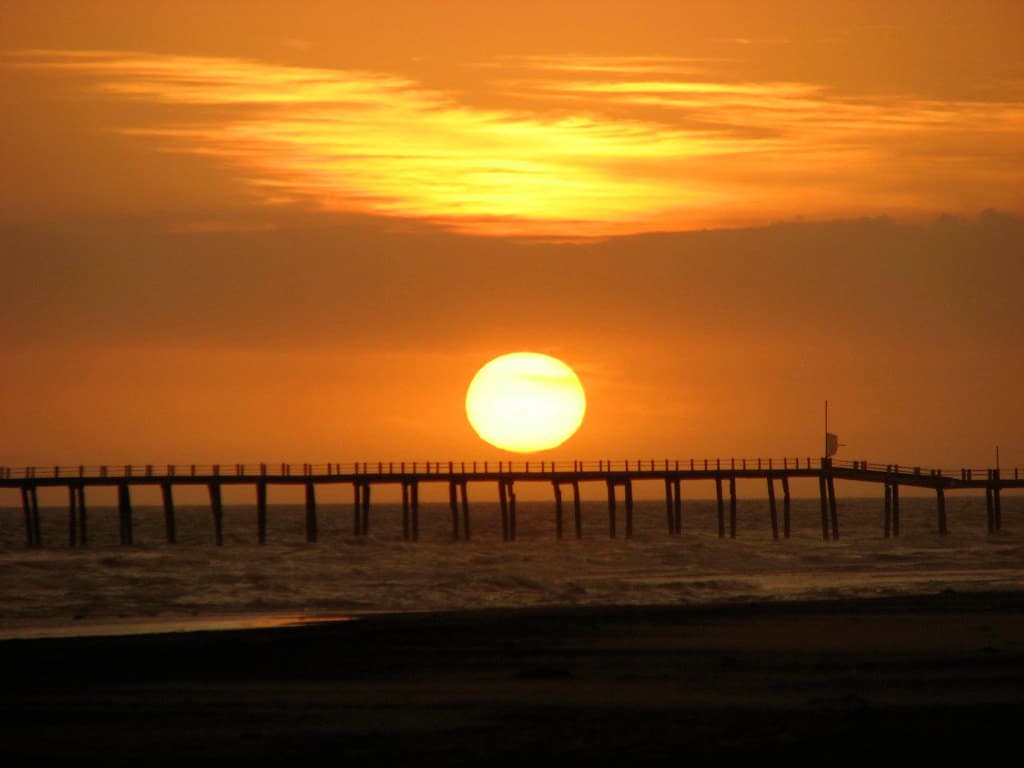
This beach offers dramatic cliff coastline scenery that's highly photogenic and ideal for Instagram content featuring rugged Patagonian landscapes. The western continuation of the lighthouse area provides less-explored viewpoints away from the more visited central lighthouse zone, appealing to travelers seeking non-touristy discoveries. The cliffs create stunning geological formations, layered rock faces, and panoramic ocean vistas. Birdwatching opportunities include seabirds and raptors. The remote, wild atmosphere offers authentic Patagonian coastal experiences. Sunset views can be spectacular when weather cooperates, making it worthwhile for landscape photographers and nature enthusiasts valuing solitude and raw natural beauty.