
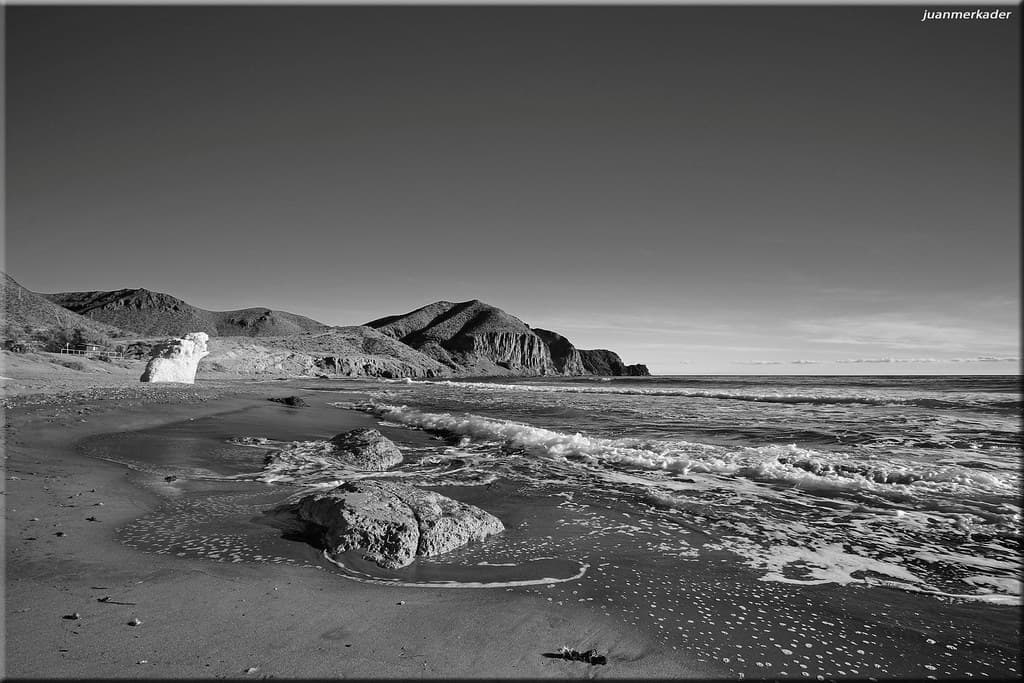
You'll drive eighty miles of gravel from Caleta Olivia, crossing steppe so barren it makes the moon look hospitable, before the lighthouse appears—a red and white tower perched above cliffs that plunge to the gulf below. This is Cabo Blanco, named for the chalk-colored bluffs that glow against grey water. The beach unfolds in scattered coves accessible only by steep footpaths, the kind that require both hands and questionable faith in loose rock.
“Few beaches in Argentina combine historic navigation importance, dramatic wildlife colonies, and such profound remoteness in a single location.”
 Credit: Flickr
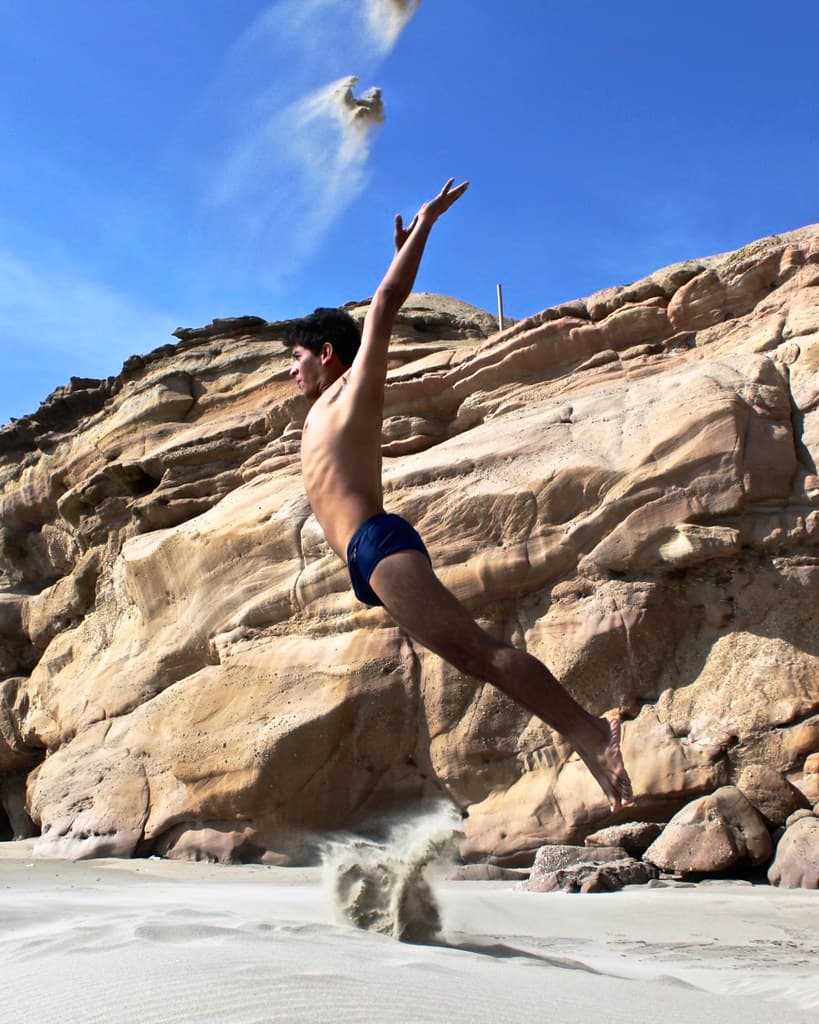
Playing with sand
Elephant seals claim the shore from September through November, massive bulls bellowing challenges while females nurse pups on the smooth stones. You'll smell them before you see them—a pungent combination of salt, fish, and mammal musk that the wind carries inland. Approach quietly; these aren't performers but wildlife tolerating your presence. The seals shift and groan, rearranging their tremendous bulk with surprising grace when entering the water.
The lighthouse itself opens sporadically for tours, but the real draw spreads below: kilometer after kilometer of empty coastline where guanacos graze cliff-edge grasslands and Magellanic penguins nest in scrubby vegetation. The isolation feels absolute. Waves arrive from Antarctica, uninterrupted by landmass, breaking onto beaches that might go weeks without human footprints. You'll stand at the continent's edge, wind trying to push you backward, understanding exactly why early navigators marked this cape with such urgency on their charts.


