
Counting the waves…
Counting the waves…

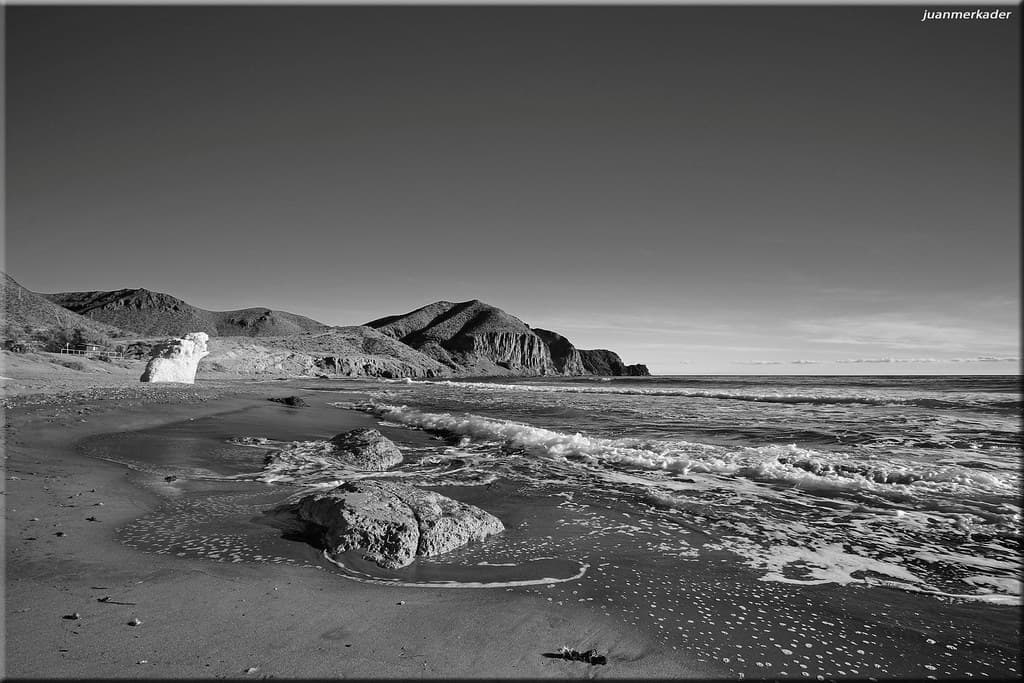
You'll drive eighty miles of gravel from Caleta Olivia, crossing steppe so barren it makes the moon look hospitable, before the lighthouse appears—a red and white tower perched above cliffs that plunge to the gulf below. This is Cabo Blanco, named for the chalk-colored bluffs that glow against grey water. The beach unfolds in scattered coves accessible only by steep footpaths, the kind that require both hands and questionable faith in loose rock. Elephant seals claim the shore from September through November, massive bulls bellowing challenges while females nurse pups on the smooth stones. You'll smell them before you see them—a pungent combination of salt, fish, and mammal musk that the wind carries inland. Approach quietly; these aren't performers but wildlife tolerating your presence. The seals shift and groan, rearranging their tremendous bulk with surprising grace when entering the water. The lighthouse itself opens sporadically for tours, but the real draw spreads below: kilometer after kilometer of empty coastline where guanacos graze cliff-edge grasslands and Magellanic penguins nest in scrubby vegetation. The isolation feels absolute. Waves arrive from Antarctica, uninterrupted by landmass, breaking onto beaches that might go weeks without human footprints. You'll stand at the continent's edge, wind trying to push you backward, understanding exactly why early navigators marked this cape with such urgency on their charts.
Places, rentals, tours and events within walking and driving distance of Playa Cabo Blanco.
Photos
Swimming at Playa Cabo Blanco is generally not recommended due to cold water temperatures, strong currents, and exposed Patagonian conditions. The beach is primarily visited for wildlife observation and photography rather than water activities. The pebble shore and rocky terrain can be challenging to navigate. Always exercise caution near the water's edge, as waves can be unpredictable. The area is remote with limited rescue services, so prioritize safety and admire the scenery from shore rather than entering the water.
Playa Cabo Blanco can be visited year-round, though Patagonian summers (December to March) offer milder weather and longer daylight hours. Spring and fall provide fewer crowds and opportunities to observe wildlife migrations along the coast. Weather can be unpredictable any time of year, with strong winds common throughout all seasons. Winter visits are possible but bring cold temperatures and shorter days. The beach's remote location means it never gets truly crowded, making spontaneous visits feasible whenever conditions permit travel to this isolated area.
Reaching Playa Cabo Blanco requires careful planning due to its remote location on Argentina's Patagonian coast. The beach is accessed via unpaved roads from nearby towns in Santa Cruz province. A sturdy vehicle, preferably 4WD, is highly recommended for navigating the rough terrain. The nearest larger town is typically several hours away. Road conditions can vary significantly with weather, so check local conditions before departure. Due to the isolation, ensure you have adequate fuel, supplies, and emergency equipment before attempting the journey.
Accommodation and dining options near Playa Cabo Blanco are extremely limited due to its remote location. Visitors typically stay in nearby coastal towns and make day trips to the beach. Basic lodging may be available in small settlements along the coast, but advance booking is essential. Most visitors bring their own food and supplies, as restaurants are scarce. For extended stays, camping may be an option in designated areas. Plan to be self-sufficient and stock up on provisions in larger towns before heading to this isolated coastal zone.
Playa Cabo Blanco stands out for its dramatic lighthouse setting and exceptional wildlife viewing opportunities along Patagonia's rugged coastline. The area serves as an important marine wildlife habitat, with possibilities to observe sea lions, elephant seals, and various seabirds. The stark beauty of the windswept pebble beach against the lighthouse creates iconic Patagonian landscapes perfect for photography. Its extreme remoteness offers a genuine wilderness experience far from typical tourist beaches. The combination of maritime history, untouched nature, and dramatic coastal scenery makes it a memorable destination for adventurous travelers.