
You navigate narrow streets lined with modest homes, their paint faded by salt air and Patagonian wind, until the pavement simply stops and becomes beach. No boardwalk marks the transition, no vendors sell sunscreen. Just a gradual shift from residential to shoreline that feels organic, unplanned, evolved over generations of the same families returning to the same patches of pebbles.
“An authentic neighborhood beach untouched by tourism infrastructure, where local family traditions unfold exactly as they have for fifty years.”
 Credit: Flickr
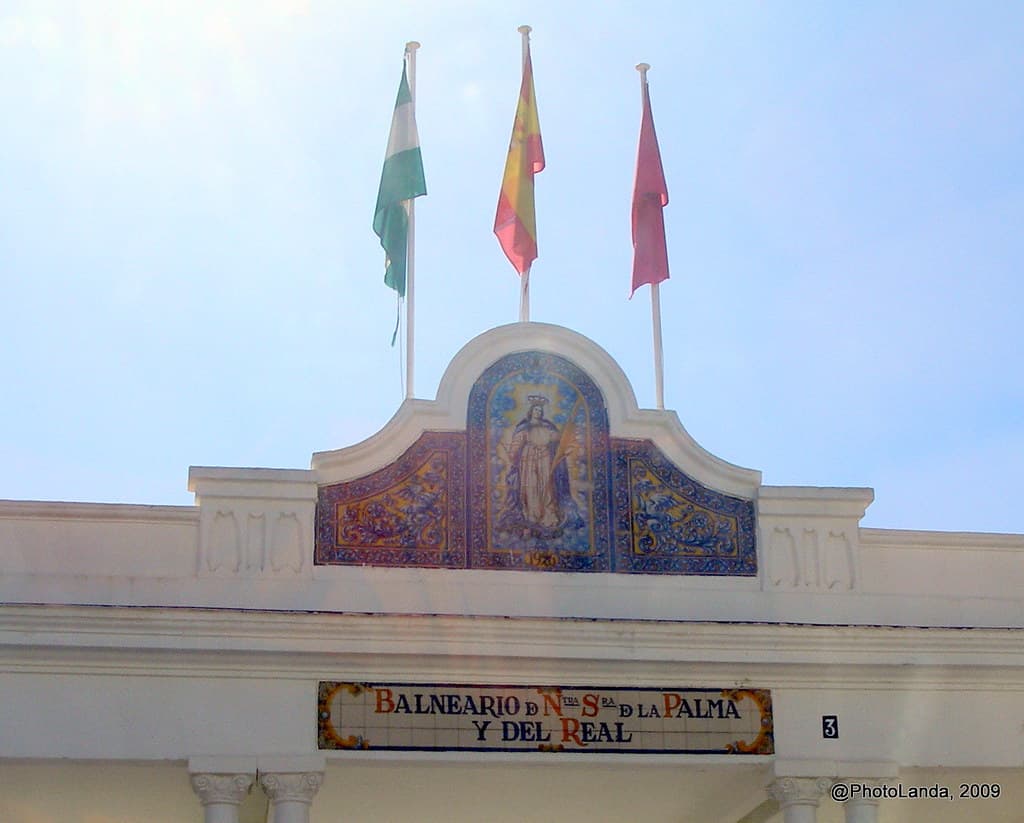
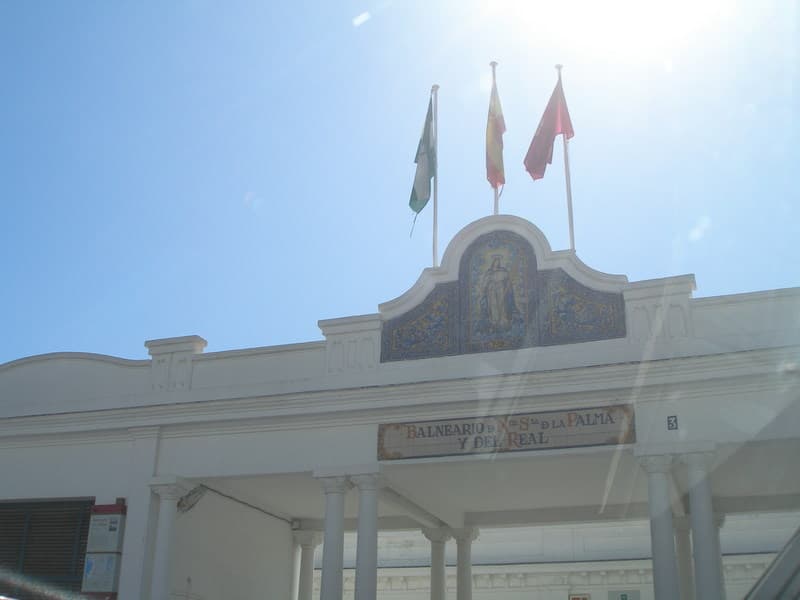
Balneario de Nuestra Señora de la Palma y del Real
Children shriek in water cold enough to numb your ankles within seconds, their enthusiasm undimmed by temperatures that would send tourists fleeing. Parents cluster in groups determined by decades-old friendships, sharing thermoses and homemade tortas fritas while keeping half an eye on the kids. The beach smells like every working-class waterfront—seaweed, sunscreen, the faint diesel from boats motoring past on their way to deeper water.
Wind-stunted shrubs cling to the low bluffs behind the beach, creating natural windbreaks that locals exploit by wedging blankets between rocks. Gulls patrol for dropped food with opportunistic aggression. As afternoon stretches toward evening, the beach empties in waves, families heading home in time for dinner, leaving only the hardcore fishermen casting into the gathering dusk and the occasional dog nosing through tidal debris.


