Counting the waves…
Counting the waves…

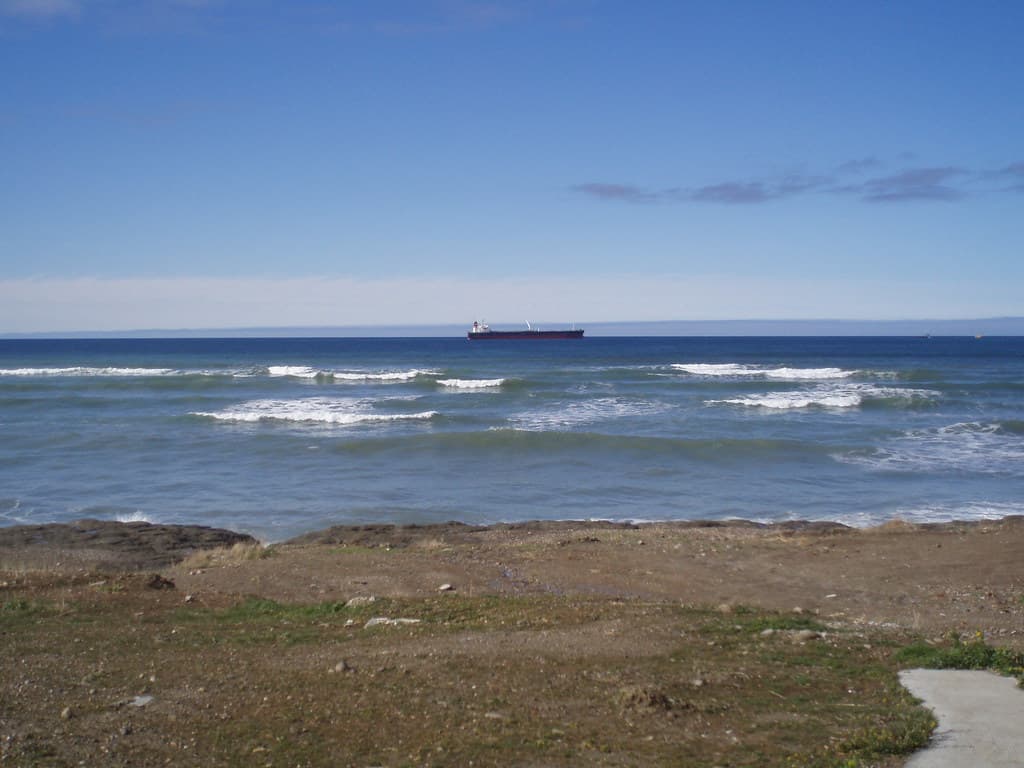
You navigate narrow streets lined with modest homes, their paint faded by salt air and Patagonian wind, until the pavement simply stops and becomes beach. No boardwalk marks the transition, no vendors sell sunscreen. Just a gradual shift from residential to shoreline that feels organic, unplanned, evolved over generations of the same families returning to the same patches of pebbles. Children shriek in water cold enough to numb your ankles within seconds, their enthusiasm undimmed by temperatures that would send tourists fleeing. Parents cluster in groups determined by decades-old friendships, sharing thermoses and homemade tortas fritas while keeping half an eye on the kids. The beach smells like every working-class waterfront—seaweed, sunscreen, the faint diesel from boats motoring past on their way to deeper water. Wind-stunted shrubs cling to the low bluffs behind the beach, creating natural windbreaks that locals exploit by wedging blankets between rocks. Gulls patrol for dropped food with opportunistic aggression. As afternoon stretches toward evening, the beach empties in waves, families heading home in time for dinner, leaving only the hardcore fishermen casting into the gathering dusk and the occasional dog nosing through tidal debris.
Places, rentals, tours and events within walking and driving distance of Playa Barrio Mar del Plata.
Photos
Playa Barrio Mar del Plata is generally family-friendly as a neighborhood beach within Caleta Olivia's urban area. The pebble surface requires appropriate footwear for comfort. Water temperatures are cold year-round in this Gulf San Jorge location, so swimming is limited and should be supervised. The urban setting means easier access to services if needed. However, check locally about lifeguard presence, as not all Argentine beaches have regular patrols. Winds can be strong, typical of Patagonia, so secure belongings and monitor children near the water. The neighborhood location makes it safer than remote beaches for family visits.
This beach can be visited year-round and is particularly suitable for budget travelers due to its urban accessibility. Summer months (December-February) offer the warmest air temperatures, though water remains cold. Local families typically visit during summer weekends and holidays. Spring and autumn provide pleasant conditions with fewer crowds and moderate temperatures for beach walks. Winter visits are possible but expect strong winds and cold weather. Since it's a neighborhood beach, it's accessible anytime and doesn't require special planning. Early mornings and weekdays tend to be quietest if you prefer solitude over the social atmosphere of weekend visits.
Playa Barrio Mar del Plata is located within Caleta Olivia's urban area, making it easily accessible. The beach is in the Mar del Plata neighborhood and can be reached by local taxi, remise (private car service), or on foot if staying nearby. Caleta Olivia sits on National Route 3, the main coastal highway, with regular bus services connecting to other Patagonian cities. Once in Caleta Olivia, ask locals for directions to the Mar del Plata neighborhood coastal area. The urban setting means paved streets and straightforward access compared to remote beaches. No special vehicle is required.
Caleta Olivia offers a full range of urban amenities including hotels, hostels, apart-hotels, and guesthouses at various price points, making it suitable for budget travelers. Numerous restaurants serve Argentine cuisine, pizzerias, cafes, and basic eateries throughout the city. Supermarkets and shops provide supplies if you prefer self-catering. The Mar del Plata neighborhood likely has nearby convenience stores and possibly small cafes. Being an oil industry town, Caleta Olivia has well-developed services for residents and workers. Accommodation and dining are significantly more affordable here than in major tourist destinations, aligning with the beach's budget-friendly appeal.
This beach's uniqueness lies in its neighborhood character, offering a local residential beach experience rather than a tourist destination. It provides insight into how Caleta Olivia residents enjoy their coastline in everyday life. Unlike the port area, this sector offers a more family-oriented, community atmosphere. The beach serves locals rather than visitors, making it an authentic cultural experience. Its hidden status means fewer tourists discover it compared to more obvious coastal access points. For travelers seeking to experience Argentine Patagonian coastal life as residents do, this neighborhood beach offers a genuine glimpse into local leisure culture away from commercial tourism.