
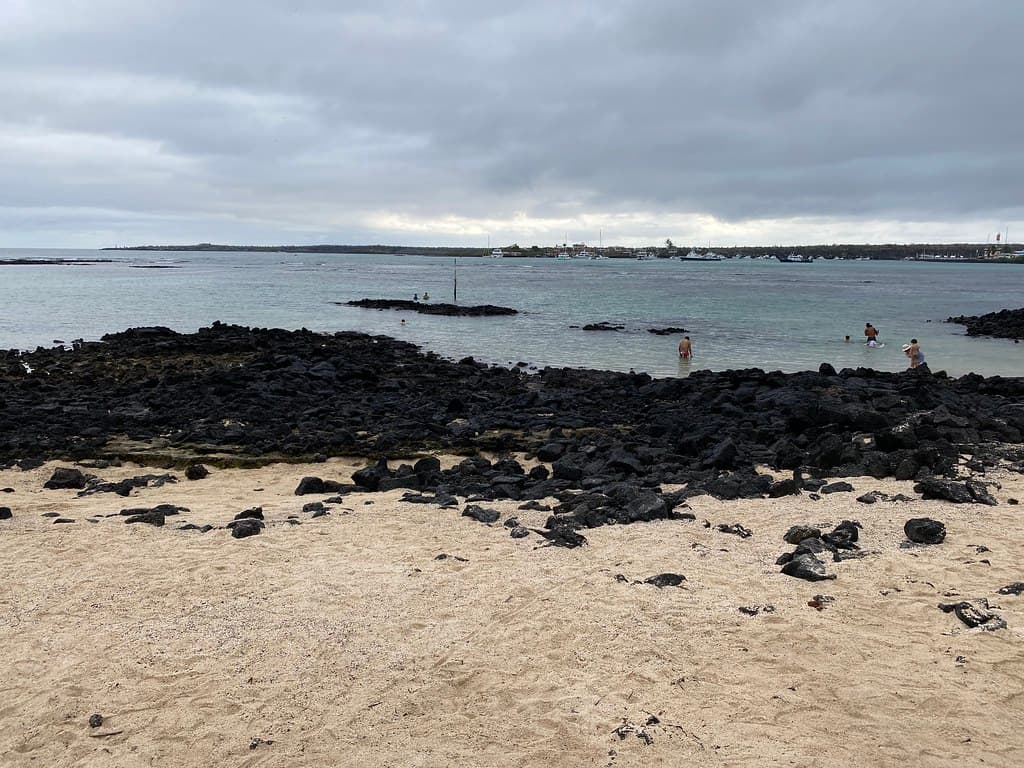
The beach at Puerto Santa Cruz announces itself in the rattle and click of stones shifting underfoot. These aren't jagged rocks but river-worn ovals in slate, cream, rust—smoothed to tactile perfection by the relentless tumble of tides. The Santa Cruz River spreads wide here before surrendering to the Atlantic, its brown currents swirling with silt carried from glacial headwaters in the Andes. You can smell brine and mud, diesel from the fishing boats, the faint char of someone's lunchtime grill.
“This is where Charles Darwin began his famous journey up the Santa Cruz River—the same stones, the same estuary light, nearly two centuries later.”
 Credit: Flickr
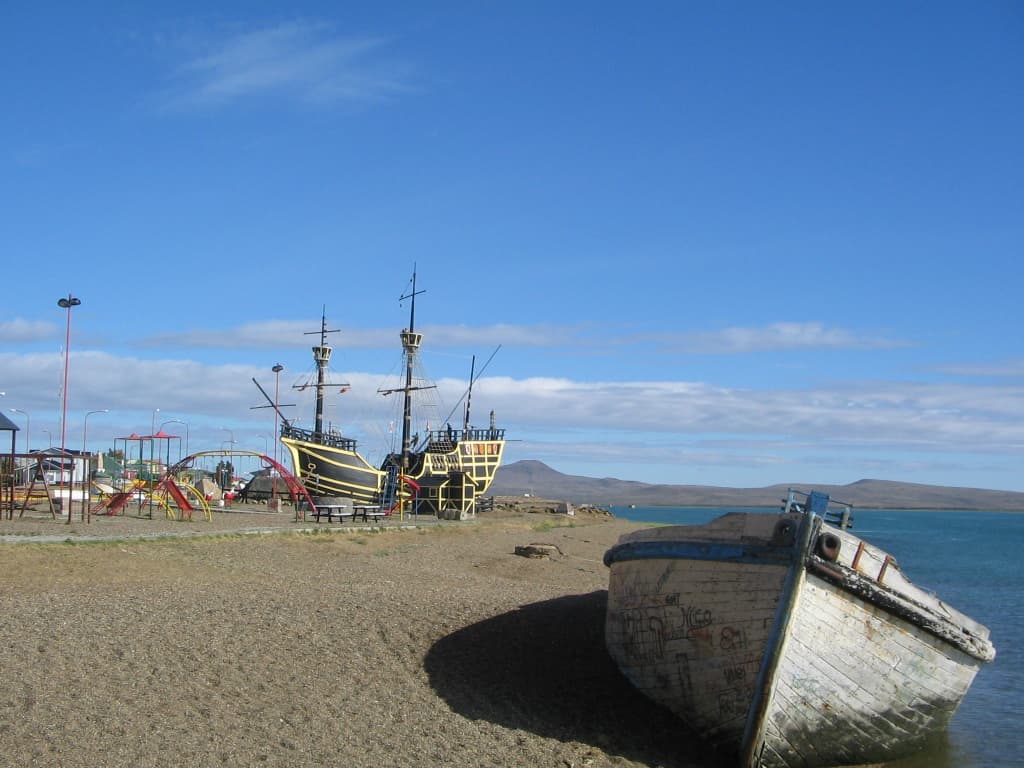
Playa de Pto. San Julian, Santa Cruz
Behind you, the town maintains a weathered dignity: corrugated metal roofs, walls the color of old plaster, a church steeple that's been leaning slightly westward for decades. Darwin slept here in 1834 before rowing upstream; you can still sense that frontier mood in the unhurried rhythms, the way locals nod in greeting without breaking stride. The beach itself serves as backyard, playground, and contemplation space—kids build stone towers while their parents scan the water for dolphin fins breaking the surface.
Sunset stains the estuary copper and violet, light bouncing off wet pebbles until the entire shore seems to glow. Upturned boats rest above the tide line, their hulls patched and repainted countless times. A few cormorants dry their wings on wooden posts, black silhouettes against the dimming sky. You sit, letting the stones conform to your weight, and watch the river carry its ancient cargo toward the sea.


