Counting the waves…
Counting the waves…
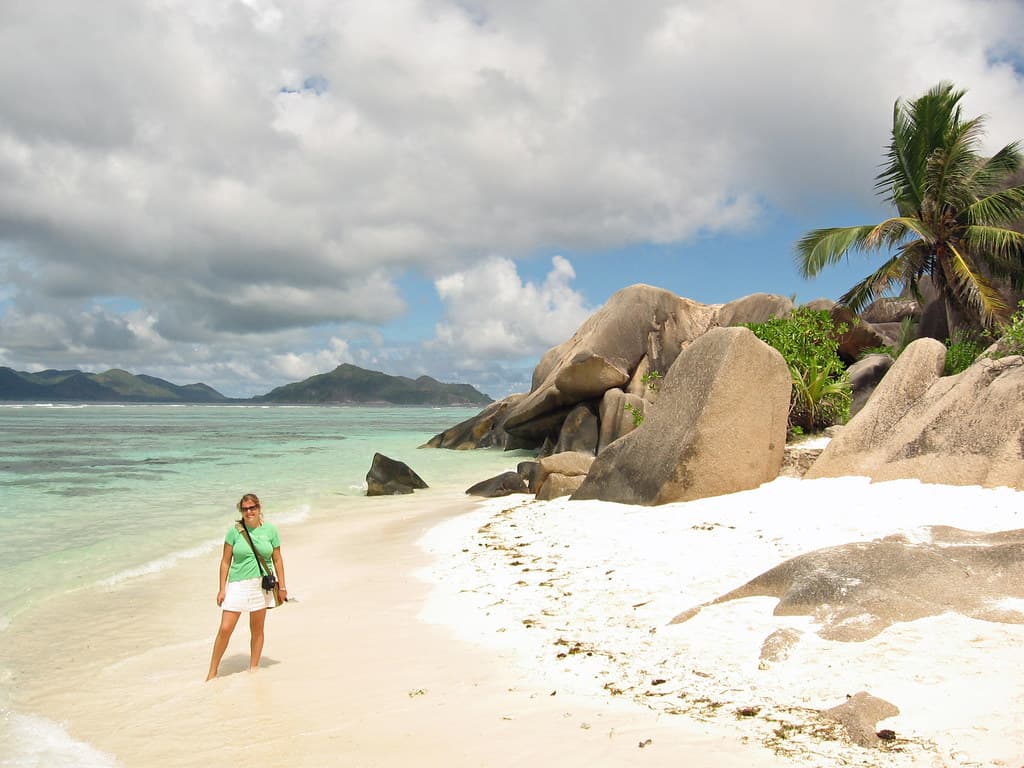
You time your arrival for the ebb. Only then does the restinga reveal its full architecture—a stepped platform of volcanic rock extending a hundred meters seaward, each level carved smooth by the Atlantic's patient grinding. Tidal pools dot the surface like punctuation, some shallow and sun-warmed, others deep enough to crouch beside and peer into their startling clarity. The smell hits you before the sound: kelp baking in the Patagonian sun, salt crystallizing on black stone, the iodine signature of exposed mussels. You pick your way across the platforms in rubber boots, necessary armor against the barnacled edges and unexpected depth changes. In one pool, a small octopus contracts into a crevice, its skin shifting from rust to slate. The next holds a congregation of sea stars in burnt orange, their tube feet creating gentle suction as they creep across the rock. Photographers crouch at odd angles, chasing the light that bounces between wet stone and standing water. The incoming tide announces itself first as foam threading between the outermost rocks, then as the lowest pools beginning to ripple and overflow. Within twenty minutes, the restinga begins its disappearance, the ocean reclaiming its sculpture. You retreat to the beach proper—a narrow ribbon of coarse sand and pebbles—and watch the transformation reverse.
Places, rentals, tours and events within walking and driving distance of Playa Restinga Monte León.
Photos
Swimming is strongly discouraged at this rocky, tide-shaped beach. The area is characterized by submerged rocks, unpredictable currents, and cold water temperatures year-round. The primary hazards include sharp rocky surfaces, slippery algae-covered stones, and dramatic tidal variations that can trap visitors in dangerous positions. This beach is designed for tide pool exploration and coastal observation during low tide periods rather than water recreation. Always consult tide tables at the park entrance, wear grippy footwear, and never turn your back on incoming waves along this exposed Patagonian coastline.
Plan your visit during low tide periods to safely explore the exposed rocky zones and tide pools, which reveal fascinating marine life. Summer months (December-March) offer longer daylight and relatively milder weather for extended exploration. The area is particularly photogenic during golden hour, with dramatic lighting on rock formations. Check tide schedules at the park visitor center and aim to arrive 1-2 hours before low tide for maximum exploration time. Spring and fall provide excellent wildlife viewing with fewer crowds. Avoid visiting during storms or high winds when waves crash dangerously over rocky areas.
Access this beach through Monte León National Park's trail network. From the park entrance off Route 3, proceed to the visitor center where rangers can provide directions and current trail conditions. The walk to Playa Restinga typically involves moderate hiking over uneven coastal terrain. Trails may be exposed to strong winds, requiring windproof clothing and sturdy hiking boots with good traction for rocky surfaces. Distance and difficulty vary depending on your starting point within the park. Always inform someone of your plans and carry navigation tools, as coastal fog can reduce visibility unexpectedly.
The national park contains no restaurants, shops, or hotels. Visitors must bring all necessary provisions including food, drinking water, and emergency supplies. The park offers a basic free campground near the visitor center with pit toilets but no running water or electricity. For full services, accommodations, and dining, travelers need to stay in Comandante Luis Piedra Buena (35 km north) or Puerto Santa Cruz (200 km south). When exploring rocky beaches, pack energy-rich snacks, warm drinks, and extra layers as Patagonian weather changes rapidly and coastal winds increase caloric needs.
This rocky beach zone showcases exceptional tide pool ecosystems teeming with anemones, crabs, mollusks, and small fish visible during low tide. The dramatic rocky formations create natural channels and pools that change completely with tidal cycles, offering dynamic landscape photography opportunities. Geologically, the area displays fascinating erosion patterns and sedimentary structures. Seabirds including cormorants and kelp gulls frequent the rocks, while marine mammals occasionally appear offshore. The tide-sculpted environment provides educational opportunities to observe intertidal zone ecology in a protected setting, making it valuable for nature study and contemplative coastal exploration.