Counting the waves…
Counting the waves…
A refined fusion of water purity, environmental stability, and communal vibrancy for Playa Centro Río Grande.
View MethodologyAnalyzed via live sensors and environmental data.
Wave height, wind, and atmospheric stability.
Live footfall and crowd balance metrics.
Community reviews and curated sentiment.
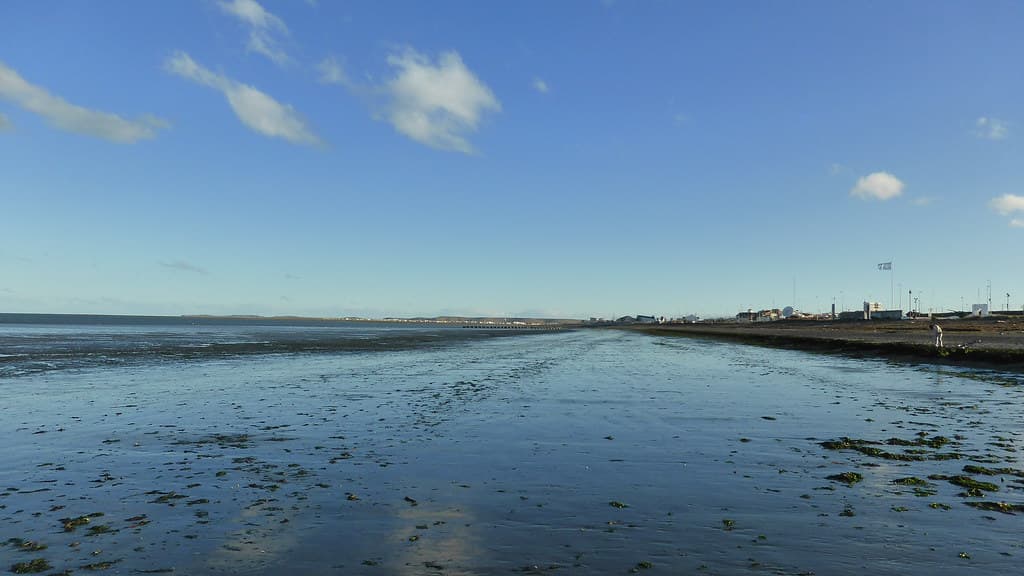
“No pretense here—just accessible sand where Río Grande residents take their evening constitutionals, children fly kites in the perpetual wind, and the offshore oil infrastructure frames industrial sunsets over the…”
Higher weekend density may affect water purity and crowd scores temporarily.
You reach this beach by walking through town, past the grid of corrugated metal buildings and shuttered storefronts that mark Río Grande's practical architecture. The waterfront lacks promenades or landscaping—the beach simply begins where the streets end, a stretch of grey-brown sand facing northeast toward the Atlantic. Fishing boats rest on trailers at the high-tide line; pickup trucks park directly on the upper beach when the sand is firm enough.
The city's character reveals itself here better than in any plaza. After-work walkers arrive in coveralls and work boots, mate gourds tucked under arms, following the same routes they've traced for years. Children from the nearby neighborhoods know every driftwood fort location, every pool that holds small fish at low tide. The beach serves rather than impresses—a place to burn energy, clear your head, or simply stand and watch the water while the wind reorganizes your thoughts.
 Credit: Unsplash
palm trees blowing in the wind on a beach
 Credit: Unsplash
people on seashore near body of water
Stroll the urban shoreline
Share with residents
Frame working port life
Prime Visitation
Anytime | Budget Travel
Where it is
Playa Centro Río Grande
Río Grande, Tierra del Fuego, Argentina
-53.788200°, -67.701600°
Weather
Loading…
Swell
—
Temp
Warm · Restorative
UV Index
Moderate
Wind
—
Tidal State
Last known
Max Sunlight
—
Ideal Shade
—
Jan - Dec (Peak)
Mar - Nov (Off-season)
Anytime | Budget Travel
Select a category to load nearby places.
Unlock restaurants, luxury stays and curated maritime experiences within 2km
While Playa Centro Río Grande is more accessible than remote beaches, swimming is not commonly practiced due to very cold water temperatures year-round and strong Atlantic currents. The urban beach is primarily used for walking, jogging, and relaxation rather than water activities. There are no lifeguards on duty. The beach is safe for family visits along the shore, beachcombing, and enjoying the scenery. Children should be supervised near the water. The main appeal is coastal recreation and sunset viewing rather than swimming or water sports typical of warmer climate beaches.
The beach is accessible year-round and serves as a local recreation spot regardless of season. Summer months (December-February) offer the mildest weather and longest days for comfortable shoreline walks. Late afternoon and evening visits are particularly rewarding for sunset photography, as the beach faces west over the Atlantic. Winter visits are possible but require warm clothing and wind protection. Weekends see more local families, while weekdays are quieter. The urban setting means you can visit any time, making it convenient for budget travelers staying in the city who want quick coastal access.
Playa Centro Río Grande is easily accessible from downtown Río Grande, making it one of the most convenient beaches in Tierra del Fuego. You can walk from the city center in 10-20 minutes, depending on your starting point. The beach is reached via the coastal avenue (Avenida Belgrano or similar waterfront streets). No special transportation is needed—simply head toward the coast from central accommodations. Taxis and local buses also serve the waterfront area. The urban location means paved access, making it suitable for all visitors including those without vehicles.
Being in central Río Grande, the beach has excellent access to all city amenities. Numerous hotels, hostels, and guesthouses are within walking distance, catering to various budgets. Restaurants, cafés, and supermarkets are abundant throughout the city, offering everything from traditional Argentine parrillas to quick snacks. Many waterfront or nearby establishments provide meals with coastal views. Budget travelers will find affordable accommodations and dining options. The urban setting means you can easily combine beach visits with city exploration, shopping, and dining without needing additional transportation or planning.
This beach uniquely combines urban accessibility with authentic Fuegian coastal experience. Unlike remote beaches requiring expeditions, you can enjoy Atlantic coast scenery, wildlife, and dramatic sunsets while staying in comfortable city accommodations. The beach serves as a genuine community space where locals jog, walk dogs, and gather—offering cultural insights beyond typical tourist experiences. It's the most budget-friendly beach option in the region, requiring no special transport or planning. The contrast between industrial port city and wild coastal nature creates a distinctive atmosphere characteristic of working towns in remote Patagonia.
Photos