Counting the waves…
Counting the waves…
A refined fusion of water purity, environmental stability, and communal vibrancy for Playa Isla Bridges Sur.
View MethodologyAnalyzed via live sensors and environmental data.
Wave height, wind, and atmospheric stability.
Live footfall and crowd balance metrics.
Community reviews and curated sentiment.
“Isla Bridges Sur occupies the outer edge of navigable channels, where most boats turn back and the landscape shifts from dramatic to simply austere. The beach here sees more seals than people, and the silence has weight.”
Limited recent visitor reports — live OBI telemetry is your best guide for current conditions.
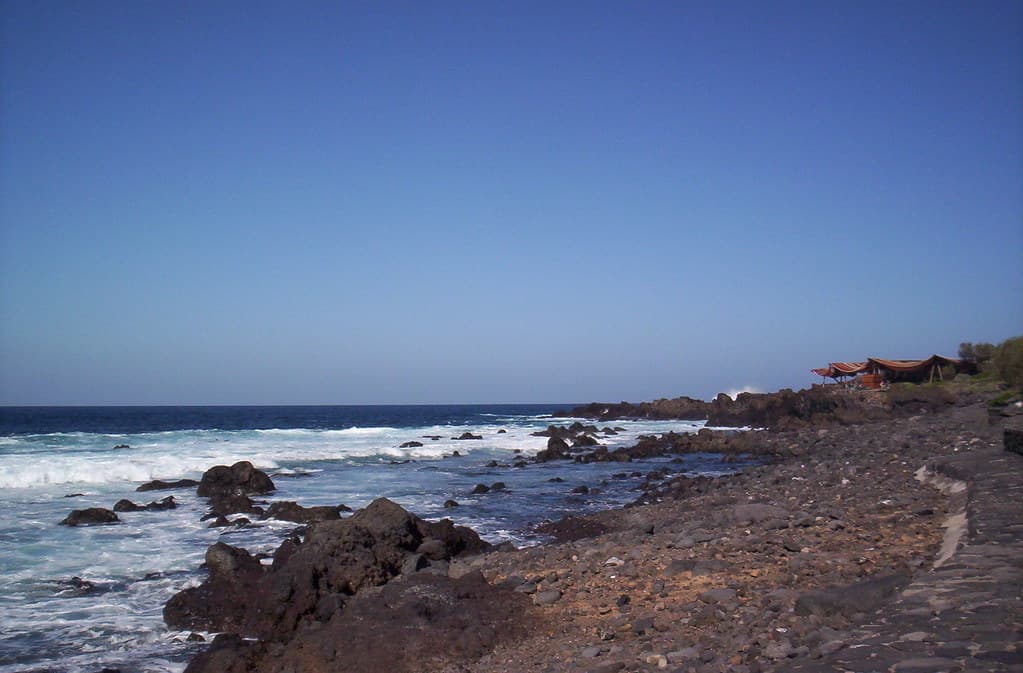
The crossing to Isla Bridges Sur takes you past the last of the tour boats, beyond where the Beagle Channel opens toward the Drake Passage. The island's southern beach faces water that stretches uninterrupted toward Antarctica, and the difference is palpable—the waves carry a different weight, the wind has traveled farther, the temperature drops another degree. The beach itself is a mixture of volcanic sand and glacial till, dark and coarse, littered with kelp in various stages of decay.
South American fur seals haul out on rocks at both ends of the beach, their grunts and bellows audible over the wind. They're not habituated to humans here—your presence triggers a ripple of alarm, heads lifting, bodies tensing toward the water. A few young bulls hold their ground, curious but wary, while the larger animals slip into the channel with barely a splash.
 Credit: Unsplash
brown wooden boat on sea dock during daytime
 Credit: Unsplash
a couple of boats floating on top of a large body of water
South American fur seals haul-out
Dark mineral beach composition
Where Beagle meets Drake
Prime Visitation
Best Weather | Less Crowds
Where it is
Playa Isla Bridges Sur
Ushuaia, Tierra del Fuego, Argentina
-54.859200°, -68.247500°
Weather
Loading…
Swell
—
Temp
Warm · Restorative
UV Index
Moderate
Wind
—
Tidal State
Last known
Max Sunlight
—
Ideal Shade
—
Jan - Dec (Peak)
Mar - Nov (Off-season)
Best Weather | Less Crowds
Select a category to load nearby places.
Unlock restaurants, luxury stays and curated maritime experiences within 2km
Swimming is not recommended at this Beagle Channel beach. Water temperatures remain extremely cold year-round, typically between 4-9°C (39-48°F), posing serious hypothermia risks even in summer. Strong currents, unpredictable weather, and the remote island location make water activities dangerous. The beach is best appreciated for scenic walks and wildlife observation. If you plan any water contact, bring thermal protection and never venture in alone. Always inform your boat operator of your plans.
The optimal window is December through February during the austral summer, when daylight extends to 17 hours and temperatures reach 10-15°C (50-59°F). These months offer the most stable weather and calmer Beagle Channel conditions for boat access. Shoulder months of November and March see fewer visitors but bring more unpredictable weather. Winter visits (June-August) face extreme cold, short daylight, and rough seas that often prevent boat departures. Book tours well ahead for peak summer season.
Access requires chartering a private boat or joining specialized Beagle Channel tours from Ushuaia's main port. Standard tourist boat routes rarely include this southern sector, so you'll need operators offering extended or custom itineraries. Journey time varies depending on departure point and sea conditions, typically 1-3 hours. Weather can cancel trips with little notice, so build flexibility into your schedule. Confirm your operator has proper permits for landing on island beaches in this protected area.
No facilities exist on this uninhabited island beach. All food, water, and supplies must be brought from Ushuaia. Most visitors come on day trips, bringing packed lunches and thermoses with hot beverages. The nearest accommodation is back in Ushuaia, which offers hotels, hostels, and guesthouses for all budgets. Some multi-day Beagle Channel expeditions include camping equipment, but independent camping requires advance permits. Always pack out all waste, as there are no trash facilities on the island.
This beach offers quieter Beagle Channel scenery away from the crowded penguin and sea lion colonies visited by standard tours. Its southern position provides different perspectives of Tierra del Fuego's mountain landscapes and more remote wildlife encounters. The isolation means pristine conditions with virtually no human impact, appealing to photographers and nature enthusiasts seeking solitude. Birdwatching can be exceptional, with opportunities to spot cormorants, albatross, and other seabirds. The journey itself becomes part of the adventure, traversing less-traveled channel waters.
Photos