
Counting the waves…
Counting the waves…

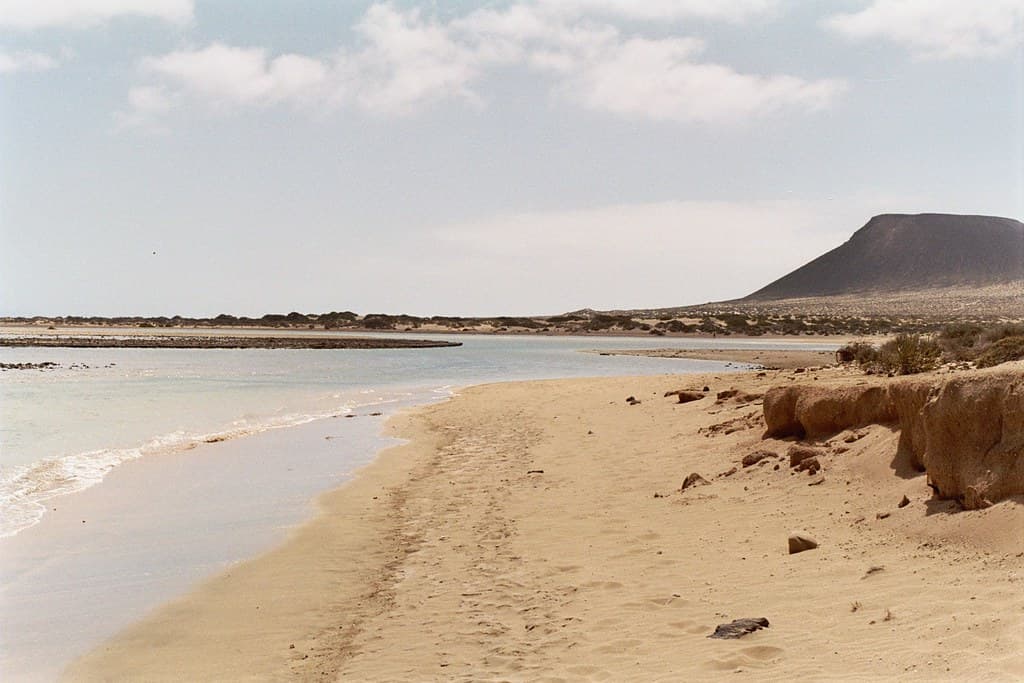
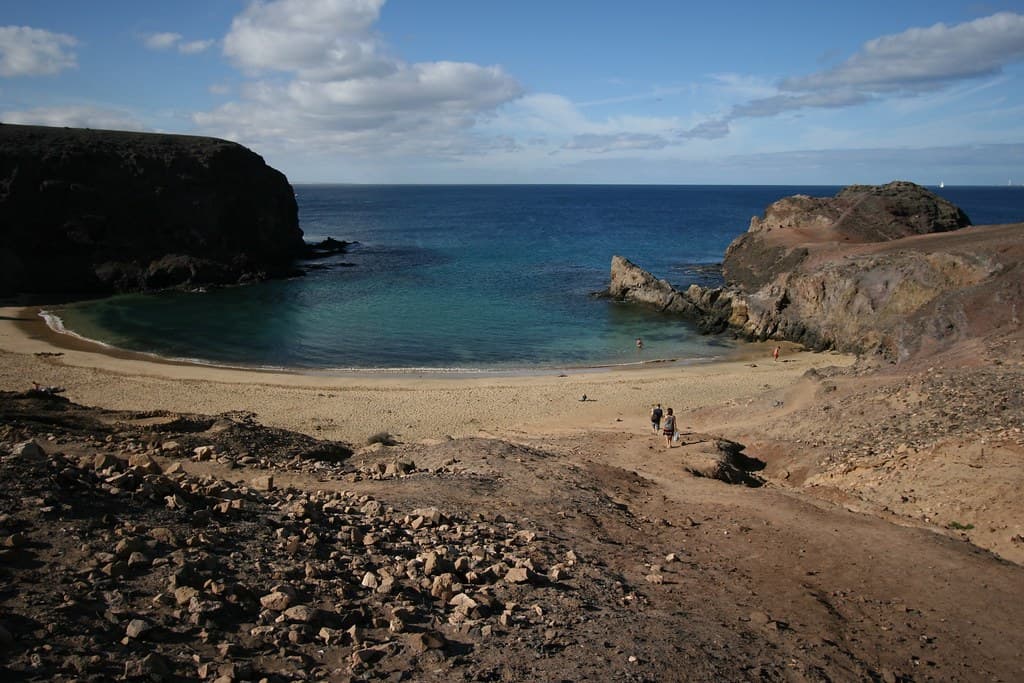
The shore is a mix of fist-sized stones and bleached driftwood, tree limbs stripped smooth by years of tidal tumble. You scan the beach and see no footprints, no fire rings, no jetty—just a thin ribbon of land wedged between black water and a low rise of coirón grass. Isla H earns its designation on nautical charts as a minor anchorage, a sheltered nook where captains drop anchor to wait out squalls or check rigging before the wider crossing toward Navarino. The wind carries the smell of rotting kelp and wet stone. Gulls cry overhead, pivoting on thermals that rise off the ridge. You crouch to inspect the tide line: a tangle of bull kelp holdfasts, mussel shells ground to purple fragments, a length of rusted wire likely jettisoned decades ago. A southern sea lion surfaces twenty meters out, huffing once before disappearing beneath the olive-green chop. There's no marked trail, no ranger station, no interpretive sign. You've come here because your guide knows the island as a quiet lunch stop between penguin colonies and lighthouse visits. The silence is profound—no engine hum, no distant traffic. Just the knock of stones shifting in the surge and the low moan of wind threading through the sedge. You pour mate from a thermos, feel the cold seep through your boots, and understand why sailors mark this place: it offers just enough shelter to remember you're still vulnerable.
Places, rentals, tours and events within walking and driving distance of Playa Isla H.
Photos
Swimming is not advisable due to frigid Beagle Channel waters that remain between 4-9°C (39-48°F) year-round, posing serious hypothermia risk. Strong tidal currents and unpredictable weather make water entry dangerous. The beach is best enjoyed for walking and wildlife observation. There are no lifeguards or emergency services on this remote island. If you must enter the water, use professional-grade thermal protection and never go alone. Most tour operators specifically advise against swimming at these remote island locations due to safety concerns.
Visit during austral summer months (December through February) for the most favorable weather, with temperatures around 10-15°C and extended daylight for exploration. These months offer the calmest seas for boat navigation and clearest visibility for the island's scenic appeal. Shoulder months like November and March provide excellent opportunities for fewer crowds while maintaining acceptable conditions. Winter visits (June-August) are challenging due to severe cold, limited daylight, and frequently cancelled boat services. Always monitor weather forecasts as conditions change rapidly in this region.
Reaching Playa Isla H requires arranging a boat tour or charter from Ushuaia's tourist harbor, as the island has no regular public transportation. The journey typically takes 1-2 hours depending on sea conditions and specific departure points. Tour operators in Ushuaia offer Beagle Channel excursions that may include Isla H as a navigation reference or brief stop. Services are heavily weather-dependent and may be rescheduled or cancelled in poor conditions. Book with reputable operators and confirm whether Isla H is specifically included in the itinerary.
Isla H is uninhabited with no facilities, services, or infrastructure whatsoever. All visitors must stay in Ushuaia, approximately 1-2 hours away by boat, where full accommodation and dining options exist. Pack all necessary supplies including food, water, and warm clothing for your visit. Most boat tours operate as day trips without meal service, though some may provide basic snacks. Ushuaia offers everything from budget hostels to luxury hotels and diverse restaurants. Plan your visit as a day excursion with all logistics based from the city.
Isla H serves as an important navigational landmark in the Beagle Channel, helping mariners orient themselves in these complex waterways. The island's distinctive position makes it a reference point for both commercial and recreational vessels navigating between Argentina and Chile. Tour operators often point out the island when explaining regional geography and maritime routes. Its location provides excellent vantage points for understanding the channel's geography and observing shipping traffic. Nature excursions use the island to demonstrate the region's unique ecosystem and glacial geography while teaching about maritime navigation history.