Counting the waves…
Counting the waves…

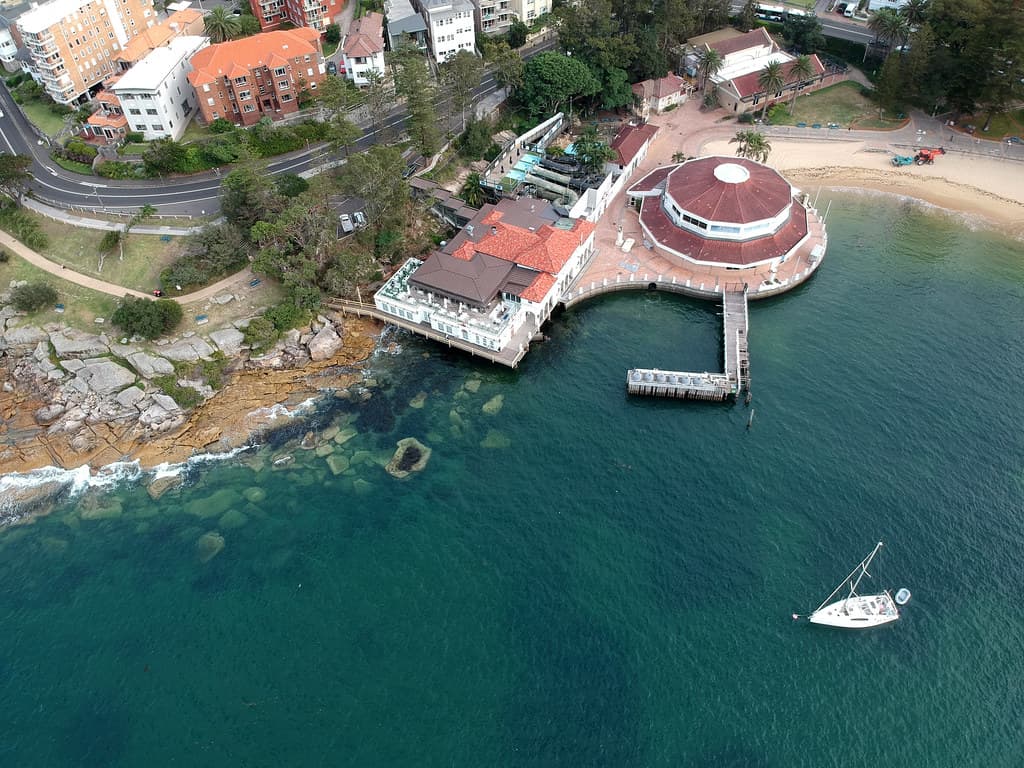
Forty Baskets Beach earned its name from the Aboriginal fishing grounds that once yielded staggering hauls, though today you're more likely to watch children with plastic buckets stalking tiny bream in the shallows. The heritage-listed shark net, strung each summer since the 1920s, frames a swimming area so benign that grandmothers float on their backs reading paperbacks while toddlers wade unsupervised in knee-deep water that never seems to exceed twenty-two degrees. The beach sits wedged between sandstone headlands ribbed with Hawkesbury stone and topped with she-oaks that whisper in the afternoon sea breeze. Wooden change sheds painted municipal cream flank a grassy reserve where ibises stalk between Norfolk pines, and a single set of public showers runs cold enough to make you gasp. There's no cafe, no surf club bar, no hire stand—just a few picnic tables, a faded noticeboard announcing community swims, and a tap that tastes faintly of iron. The locals who spread their towels here before eight on weekends have been doing so for decades, their routines synchronized to tide charts and bin collection schedules. By noon the small carpark fills with northern beaches families who know this beach rewards loyalty over novelty, offering the harbour's embrace without the harbour's crowds, a place where the same frangipanis drop the same waxy petals onto the same sun-warmed concrete year after year.
Places, rentals, tours and events within walking and driving distance of Forty Baskets Beach.
Photos
Forty Baskets Beach is an excellent choice for families due to its sheltered harbour location, which creates calm, gentle waters ideal for children. The beach is protected from ocean swells, making swimming conditions generally safe year-round. There's no surf lifeguard patrol, so parents should supervise children closely. The shallow, clear water and netted swimming enclosure provide additional safety. Rocky areas at either end offer rock pool exploration at low tide, though proper footwear is recommended to avoid slips on algae-covered surfaces.
Forty Baskets Beach is enjoyable year-round thanks to Sydney's mild climate and its harbour location. Summer (December-February) offers warm water temperatures perfect for swimming, though weekends can get busy with locals. Autumn and spring provide pleasant weather with fewer crowds, ideal for peaceful visits. Winter remains surprisingly appealing, with calm conditions for brisk swims and stunning clear days. Weekday mornings are quietest regardless of season. The beach faces northeast, so morning visits offer the best sun exposure, while afternoons can become shaded by surrounding cliffs.
Forty Baskets Beach is accessible via Marine Parade in Balgowlah Heights, approximately 12km northeast of Sydney CBD. Limited street parking is available along Marine Parade and nearby residential streets—arrive early on weekends as spots fill quickly. No dedicated car park exists, reflecting the beach's local, hidden character. Public transport requires catching a bus to Balgowlah or Manly, then walking approximately 20-30 minutes. Many visitors combine their trip with the scenic Manly to Spit Bridge coastal walk, which passes directly by the beach.
The beach has basic amenities including public toilets, outdoor showers, and shaded picnic tables, but no café or kiosk on-site. The adjacent Forty Baskets Beach Pavilion occasionally hosts private events. Visitors should bring their own food and drinks, making it popular for picnics. The nearest cafés and restaurants are in Balgowlah (1.5km) or Manly (3km). A water bubbler is available for refills. The intimate setting and limited facilities contribute to the beach's peaceful, uncommercialized atmosphere that locals cherish.
The beach's unusual name derives from Aboriginal history, specifically referring to the forty baskets of fish reportedly caught in a single haul by local Indigenous people. This reflects the area's traditional significance as a rich fishing ground for the Gayamaygal people. The sheltered cove's abundant marine life made it an important food source. Today, the beach remains popular with local fishermen, and the surrounding waters still support diverse sea life. This historical connection adds cultural depth to what many consider one of Sydney's most charming hidden harbour beaches.